Grains
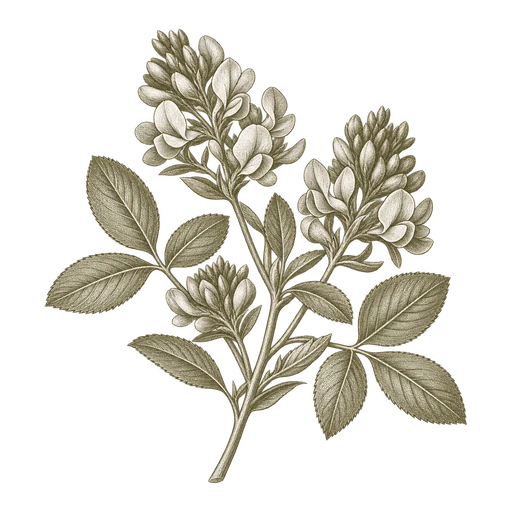
Alfalfa
Alfalfa is a forage legume sourced as hay, silage, meal or pellets for livestock feed. Match the form to receiving and ration needs, then compare a lot-specific analysis on a consistent basis.
Explore ingredientCompare crystalline and liquid sucrose by looking at dry versus liquid receiving, recipe water balance, the recipe’s ingredient definition and the specifications your process needs.
Crystalline and liquid sucrose provide the same named sweetener in different physical forms, but they enter a food process differently. Crystalline sucrose is a dry solid that can be stored and transferred through a dry-ingredient system. Liquid sucrose is sucrose dissolved in water, so it can be transferred as a liquid where the plant has compatible receiving, storage and metering equipment.
Start with the facility, not an assumption that one form is universally easier. A plant set up to receive and feed dry ingredients may have established procedures for crystalline sugar. A process with suitable liquid handling may be able to feed a sucrose solution directly. Compare the required storage space, transfer route, weighing or metering method and operator procedures for the actual production line.
The central formulation difference is that liquid sucrose brings water along with the dissolved sugar. The recipe must account for that water as well as the sucrose solids; otherwise, the two forms are not being compared on the same ingredient basis. Crystalline sucrose avoids adding solution water with the ingredient, although the offered product’s specification should still describe relevant quality measures such as moisture.
For a meaningful comparison, define the recipe’s requirement in terms the production team uses: the mass of sucrose solids, the permitted water contribution, or both. For liquid material, request the offered concentration or solids measure and agree on how the amount will be expressed. A concentration measure such as Brix can be useful for a sucrose solution, but the supplier’s stated method and specification should match the plant’s acceptance and formulation procedures.
Before changing forms, review how the ingredient is named and controlled in the formula, batch instructions and quality records. If the recipe specifies crystalline sucrose, a liquid solution is not automatically interchangeable just because it contains sucrose. The change affects ingredient form and adds water, so the formulation and process owner should assess it against the finished product definition and the plant’s controls.
Also consider when and where sucrose enters the process. A dry addition may need a dissolution step within the process, while a liquid addition arrives already dissolved. Whether that changes production steps, mixing sequence or process timing depends on the specific formulation and equipment; do not infer a performance improvement or an inclusion rate from the ingredient form alone.
For crystalline sucrose, the specification should identify the product and cover the characteristics relevant to the recipe and dry handling, including moisture and any required physical or quality measures. Particle or crystal characteristics matter when the plant has a defined feeding, dissolving or inspection requirement. Ask for the actual offered specification rather than assuming a particular crystal size or grade.
For liquid sucrose, the specification should state the sucrose concentration or solids basis and identify any other composition details relevant to the formula. Those details determine how much solution corresponds to the required sucrose solids and how the material is evaluated at receiving. In either form, agree on the measurement basis, test method where applicable and acceptance criteria before comparing offers.
A useful form comparison considers the complete path from receiving to the batch: what equipment accepts the ingredient, how it is stored, how the batch amount is measured, and what recipe adjustment is needed. Include destination, expected order quantity and receiving method when requesting a quote. For liquid sucrose, describe the facility’s liquid receiving and storage setup; for crystalline sucrose, specify the dry-ingredient handling and packaging or transfer method the plant can manage.
Once the process requirement is clear, use the [Sucrose ingredient page](/ingredients/sucrose) to return to sourcing. Share whether the process calls for crystalline or liquid sucrose, the relevant formulation basis and the receiving constraints. Exact concentration, specification, packaging, availability and commercial terms depend on the particular offer and need to be established for the order.
Crystalline sucrose is a dry solid; liquid sucrose is sucrose dissolved in water. The liquid form requires compatible liquid receiving and metering, and its water contribution must be included in the recipe.
Compare the stated sucrose concentration or solids basis, the measurement basis used, and any composition details required by the formula and receiving checks. Use the offered specification and the plant’s acceptance procedures.
Not automatically. The recipe owner should account for the solution’s water, check how the formula defines the ingredient, and assess the change against process equipment and finished-product requirements.
Focused guides to the specification, application, and delivery questions behind this ingredient.
Plan bulk sucrose receiving around the difference between crystalline and liquid forms, your facility’s unloading setup, and product-specific storage instructions.
Read this InsightCrystalline sucrose and liquid sugar require different specification comparisons. Establish product identity first, then compare crystal assay, moisture and particle size separately from liquid Brix and sucrose-specific composition.
Read this InsightAlfalfa is a forage legume sourced as hay, silage, meal or pellets for livestock feed. Match the form to receiving and ration needs, then compare a lot-specific analysis on a consistent basis.
Explore ingredientAlfalfa meal is ground forage used in animal feed, with sun-cured and dehydrated processing routes and meal or pellet forms. Compare the offered process, physical form and analysis against the needs of the species and feed formulation.
Explore ingredientAlfalfa pellets are ground, compressed forage used in livestock feeding and compound feeds. Compare the drying process, alfalfa material, forage analysis and pellet characteristics to choose a form that fits your ration and receiving setup.
Explore ingredientAlmond hulls are the dried outer layer of the almond fruit, sourced for ruminant feed as hull-only material or as a hull-and-shell mixture. Compare the lot’s composition, physical form, and handling needs before arranging a bulk shipment.
Explore ingredient