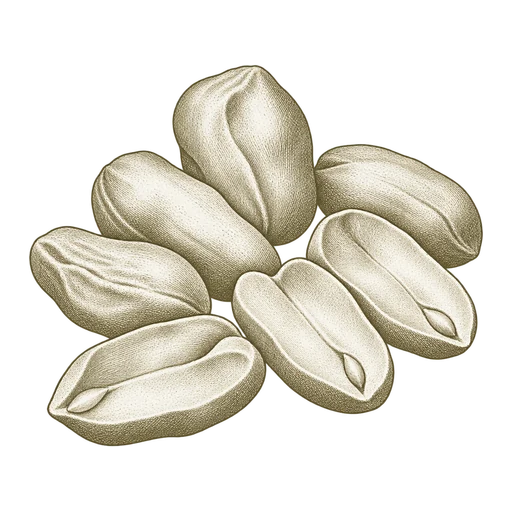
Start with the product that will enter the grinder
Roasted peanut hearts can serve as a grinding input for peanut paste, but the product name alone does not define the material your line will receive. Before comparing offers, establish whether you need whole kernels, halves, pieces or another size profile. The form affects how the ingredient is presented to your receiving and feeding equipment, so compare it with the openings, hoppers and metering system used at your plant.
Ask for the offered lot’s kernel form and any description of its size distribution or fines. These details help you anticipate the physical material arriving at the line; they do not, by themselves, guarantee how it will feed or grind. For sourcing details and the product page, see [Roasted Peanut Hearts](/ingredients/roasted-peanut-hearts).
Define roast method and roast character
Roasting changes peanuts’ flavor and color, making the roast an important part of the paste’s intended profile. Define the roast character your recipe calls for and ask how the offered product was roasted. Different processes or degrees of roast should not be treated as interchangeable simply because both products are described as roasted.
If you already produce a paste with a specific flavor or appearance, compare the offered lot with that product standard using an appropriate sample and evaluation process. Do not assume the roast description alone predicts the final paste: grinding, blending and the rest of the recipe also contribute to the finished product.
Set the skin and added-ingredient requirements
Specify whether the kernels should be skin-on or skinless. Skin status is a product-identity decision: it affects what enters the grinder and may affect the appearance and character of the paste. Check that the description of the offered lot matches the recipe and the standard used for your finished product.
Also establish whether the input must be plain roasted peanuts or may contain added oil, salt, seasoning or other ingredients. Added ingredients can change the formulation and the ingredient declaration for the finished paste. If the recipe calls for peanuts alone, make that requirement explicit and check the offered product’s ingredient information rather than inferring it from “roasted peanut hearts.”
Match the input to the line and the recipe
Review kernel form with the people responsible for receiving and feeding ingredients. Whole kernels, pieces and smaller fragments present different physical shapes to hoppers and conveyors; your plant’s equipment and handling procedure determine which form is practical. Clarify how the product will be delivered and transferred into the process, including any receiving limitations that affect packaging or unloading.
Keep formulation decisions separate from the ingredient description. The amount of peanut input and any added oil or seasoning belong to your recipe and process design; a product listing does not establish an inclusion rate or promise a particular grind result. Define the finished paste you need, then assess the actual offered material against the line and recipe requirements.
What to establish before ordering
For a useful quote and a comparable lot review, provide the required kernel form, skin status, roast description and ingredient restrictions. Include the quantity and unit, destination, timing, packaging preference and receiving method. Identify the specific quality requirements that matter to your paste, and request the lot’s product and ingredient details so the production and quality teams can review them before acceptance.
Confirm commercial terms such as packaging, availability, timing and freight with the broker for the specific offer; these are not defined by the product name. This makes the next step straightforward: compare the offered roasted peanut hearts with your recipe, declaration and receiving setup before committing to a production run.
BEFORE YOU REQUESTYour sourcing checklist.
- Specify whole kernels, halves, pieces or another required form, and ask for the offered lot’s size and fines description.
- State the desired roast character and whether the product must be skin-on or skinless.
- Define whether added oil, salt, seasoning or other ingredients are permitted; check the offered ingredient information.
- Provide quantity and unit, destination, requested timing, packaging preference and receiving or unloading method.
- Identify the paste’s relevant quality requirements and review the offered lot details before acceptance.
Common questions.
Can any roasted peanut hearts be used for peanut paste?+
Not automatically. Match the offered kernel form, roast character, skin status and ingredient composition to your recipe and receiving equipment. The product name alone does not define those details or guarantee a particular grinding result.
Why specify whether roasted peanut hearts are skin-on?+
Skin status determines whether peanut skins enter the grinder, which can affect the paste’s appearance and character. State the required form and check that the offered lot matches it.
Do roasted peanut hearts contain added oil or seasoning?+
The name does not establish whether ingredients have been added. If your recipe requires plain roasted peanuts, make that requirement explicit and review the offered product’s ingredient information.