Grains
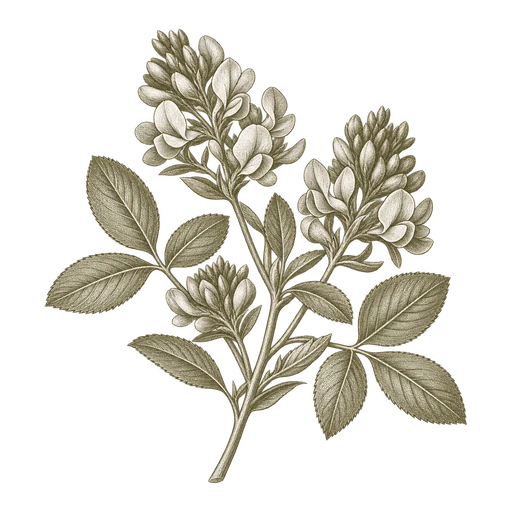
Alfalfa
Alfalfa is a forage legume sourced as hay, silage, meal or pellets for livestock feed. Match the form to receiving and ration needs, then compare a lot-specific analysis on a consistent basis.
Explore ingredientLearn how to specify rolled, quick-cooking, steel-cut, ground and feed oat meal—and which quality measures help buyers compare each form for its intended use.
“Oatmeal” can describe several products that behave differently in manufacturing. A useful specification starts by naming the form and how it was made—not just the word oats. Rolled oats are oat groats that have been steamed and flattened into flakes. Quick-cooking oats are processed into smaller or thinner pieces so they hydrate faster. Steel-cut oats are groats cut into pieces rather than flattened.
Ground oats, often called oat flour or oat meal in food contexts, have a smaller particle size than flakes or steel-cut oats. “Feeding oat meal” is a separate identity to clarify: the term may refer to milled oats intended for animal feed, not a food-grade oatmeal product. State the intended market and use, and ask the supplier to describe the product’s raw material and processing. For sourcing, the [bulk oatmeal page](/ingredients/oatmeal) is a starting point once the required form is clear.
Physical form determines how oats move through equipment and interact with other ingredients. Flake width, thickness, breakage and the proportion of fines can affect appearance, hydration and consistency in products such as cereal, bakery mixes or prepared foods. For quick-cooking oats, define what “quick” means for your process rather than assuming every supplier uses the same size or preparation.
For steel-cut oats, specify the desired cut or particle-size description and how much variation is acceptable. For ground oats, use a particle-size measure or sieve profile that fits the process; a general term such as “fine” does not give a miller or production team a measurable target. These descriptions should match the processing equipment and end-product texture, not simply copy another oat form’s specification.
Cleanliness matters across forms. A specification can identify the relevant foreign material, damaged material or other defects to be evaluated, along with the inspection or test method. The specific limits belong to the exact product and supplier offer. Do not assume a limit for whole oats applies unchanged to flakes or ground material.
Test weight is useful mainly when the product is intact grain: it describes bulk density and can help buyers compare lots of whole oats. It is less informative for rolled, cut or ground products, whose density changes with processing and packing. For these forms, physical form, size distribution and cleanliness may be more direct measures of consistency.
Moisture and composition also need context. Moisture is relevant to storage and processing; protein, fiber, fat and other requested composition values can support food formulation or feed evaluation. State the analytical basis required, such as whether results should be reported as received or on a dry-matter basis. Compare like with like, and obtain the actual limits and test methods from the current specification for the identified product.
A food manufacturer choosing flakes for a visible cereal or bakery inclusion will usually care about flake integrity, dimensions and consistency. A processor using quick oats in a mix may prioritize particle distribution and predictable hydration. A formula using ground oats may need a defined fineness and composition because particle size can affect blending, texture and processing behavior.
Feed buyers should identify the species or feed application and distinguish whole oats, processed food oatmeal and milled feed oat meal. Composition can inform formulation, while cleanliness and particle size affect handling and mixing. A feed-use description does not by itself establish a particular grade or nutritional profile; those details need to be stated in the offered product specification.
Keep the specification practical: product identity and intended use; processing and physical form; relevant cleanliness criteria; moisture and composition requirements; particle-size or flake measures; and the analytical methods and reporting basis. Include only measures that help assess the application. Before setting acceptance limits, compare them with the exact product and current supplier specification rather than treating general values as universal.
When requesting a bulk quote, provide the form, end use, required quantity and unit, destination, packaging or receiving method, and any quality measures that are essential to production. Ask for the product specification and applicable lot analysis, and check that the terminology, methods and reporting basis match your requirements. Confirm any supplier-dependent commercial details with the broker handling the offer.
This approach makes comparisons more meaningful than evaluating offers by price or a broad label such as oatmeal alone. A flake product and a ground product are not interchangeable simply because both come from oats; nor does a feed-use description establish food-use suitability. Once the process identity and quality criteria are aligned, use the oatmeal sourcing page to pursue the form that fits your operation.
Both are flattened oat products, but quick-cooking oats are generally made smaller or thinner to hydrate faster. Specify the desired form and physical dimensions rather than relying on the name alone.
Test weight is most directly useful for intact grain. Processing changes the density of flakes, cut oats and ground oats, so product-specific size, form and cleanliness measures may be more informative for those forms.
Identify the oat form and process, intended use, cleanliness criteria, relevant moisture and composition measures, and flake or particle-size requirements. State the test methods and reporting basis, and set limits against the exact product specification.
Focused guides to the specification, application, and delivery questions behind this ingredient.
Plan oatmeal receiving and storage around the exact oat form, packaging and facility setup. Packaged rolled-oat guidance is not a substitute for lot-specific instructions for bulk bins or ground oat meal.
Read this InsightRolled oats are flattened flakes; steel-cut oats are cut groat pieces. Compare their shape, mixing behavior and intended role in a pilot bake before changing forms in a commercial recipe.
Read this InsightAlfalfa is a forage legume sourced as hay, silage, meal or pellets for livestock feed. Match the form to receiving and ration needs, then compare a lot-specific analysis on a consistent basis.
Explore ingredientAmaranth can be sourced as grain, leaf meal or whole-plant forage, and those forms are not interchangeable in feed formulation. Specify the plant material, species and processing method, then compare lot analysis suited to the intended animal and use.
Explore ingredientBarley is a cereal grain used in cattle feed, malting, food and industrial processing. Whole and processed forms serve different needs; identify the intended use, processing state and receiving requirements when sourcing a bulk order.
Explore ingredientBrewers rice is a broken-rice milling fraction used in brewing, fermented products and animal feed. Compare broken, granulated or ground forms and review lot-specific physical and analytical details before sourcing in bulk.
Explore ingredient