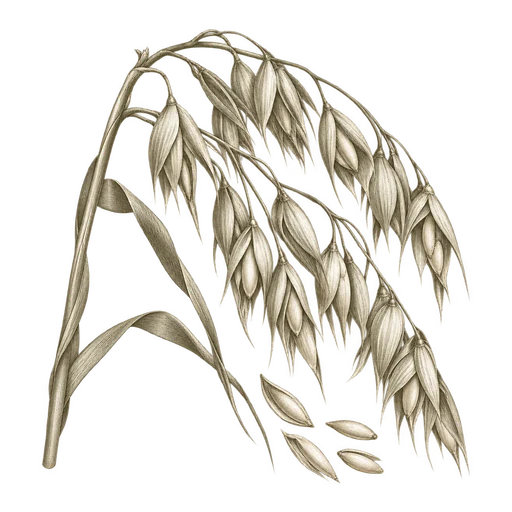
Grains
Oatmeal
Oatmeal can mean rolled oats, another oat form, or a distinct feed milling fraction. Name the exact product and intended use, then compare the relevant quality details and receiving needs for a bulk order.
Explore ingredientA focused cereal-ingredients collection featuring oatmeal. Compare the exact oat form, intended use and specification before evaluating bulk lots.
Oatmeal can mean rolled oats, another oat form, or a distinct feed milling fraction. Name the exact product and intended use, then compare the relevant quality details and receiving needs for a bulk order.
Explore ingredientThis tag currently contains one supplied member: oatmeal. It is a focused starting point for buyers evaluating an oat-based cereal ingredient, not a broad list of wheat, corn, barley or other grains. The name alone does not establish whether a lot is rolled oats, another milled form or a prepared product.
Confirm the form and processing description before comparing lots. Rolled oats have product-specific characteristics; requirements for them should not be assumed to apply to every ingredient sold as oatmeal.
Food buyers should establish the declared food-grade use and review the specification for the particular form. For rolled oats, useful comparison points include product type, flake dimensions or size distribution, moisture, protein and fiber, flavor or odor, and foreign-material limits. A specification written for one rolled-oat type is not a universal standard for all oatmeal.
Feed buyers should identify the animal species and life stage and request a lot-specific nutrient analysis. Oat grain’s fiber and energy characteristics can affect its role in a ration, so the product name alone is not enough to judge fit.
For raw or whole oats intended for milling, buyers may need grade and test-weight data as well as information on cleanliness, kernel damage and groat yield. A grain grade can inform the comparison but does not by itself establish suitability for a particular milling process. Confirm packaging, handling instructions and documentation for the specific lot before purchase.
No. Confirm whether the lot is rolled oats, another milled form or a prepared product, and review its ingredient statement and processing description.
Compare the specified product type, flake size or distribution, moisture, protein and fiber, flavor or odor, and foreign-material limits. Use the limits for the relevant product specification rather than assuming one standard fits all forms.
Identify the intended species and life stage, then review a lot-specific nutrient analysis against the ration’s requirements.
Not necessarily. Grade and test weight are useful references, but milling buyers may also need cleanliness, damage and groat-yield information relevant to their process.
Focused guides to the specification, application, and delivery questions behind this ingredient.
Plan oatmeal receiving and storage around the exact oat form, packaging and facility setup. Packaged rolled-oat guidance is not a substitute for lot-specific instructions for bulk bins or ground oat meal.
Read this InsightRolled oats are flattened flakes; steel-cut oats are cut groat pieces. Compare their shape, mixing behavior and intended role in a pilot bake before changing forms in a commercial recipe.
Read this InsightLearn how to specify rolled, quick-cooking, steel-cut, ground and feed oat meal—and which quality measures help buyers compare each form for its intended use.
Read this Insight