Grains
Alfalfa
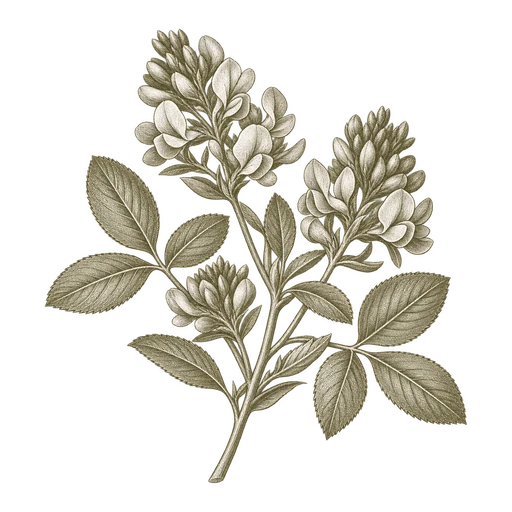
Alfalfa is a forage legume sourced as hay, silage, meal or pellets for livestock feed. Match the form to receiving and ration needs, then compare a lot-specific analysis on a consistent basis.
Explore ingredientWhole and ground pearl millet differ in particle form, handling and how they fit into a poultry feed system. Compare the required form and current lot analysis within the complete ration; feeding results from one set of grain and bird conditions are not universal formulation rules.
Whole pearl millet arrives as intact kernels; ground millet has been milled into smaller particles. That difference affects how the ingredient handles and how it combines with the rest of a poultry ration. It does not, by itself, establish which form will perform better in a particular diet.
Ground grain can be blended into a mash or used as an ingredient in further feed processing. The actual particle size and its consistency matter: a coarse grind and a fine grind do not behave identically in mixing or feeding. “Ground” alone does not specify a particle-size distribution, so buyers and formulators need to define the form they mean.
Whole kernels preserve their intact shape and may suit a feeding system designed to handle that form. They are not interchangeable with ground grain in equipment, feed texture or ration presentation. Whether a flock can use whole grain effectively depends on the bird and feeding conditions; do not assume a result for one group applies to all poultry.
Start with the ration’s intended physical form and the mill or feed line that will handle it. Consider whether the finished feed is mash, a processed feed, or another presentation, and whether the system can receive and distribute whole kernels or ground material consistently. These practical constraints may narrow the choice before any formulation comparison.
For ground pearl millet, ask what particle-size information is available and whether it matches the plant’s mixing and conveying needs. Very different particle sizes within an ingredient lot can complicate uniform blending. For whole grain, consider how kernels will be included and distributed in the finished feed. The relevant decision is not simply whole versus ground, but whether the selected form works with the complete manufacturing and feeding system.
Pearl millet is a grain ingredient, but a name or species designation is not a substitute for the analysis of the lot being considered. Grain composition can differ between lots. Review available analysis for the characteristics relevant to the formulation, such as moisture and nutrient values used by the nutritionist, rather than relying on a generic composition figure.
Evaluate those values within the complete ration. Poultry diets must be balanced across energy, protein, amino acids, minerals and vitamins; a change in one grain ingredient can affect the formulation as a whole. A form comparison also needs to hold the ingredient and formulation assumptions clear: otherwise, a response attributed to grinding could reflect a difference in grain, analysis or other ration components.
The nutritionist should determine how the lot’s analysis affects the diet and whether any processing or formulation adjustment is appropriate. There is no universal inclusion rate that can be inferred from the ingredient name alone.
A feeding result applies to the conditions under which it was produced, not automatically to every pearl millet lot or poultry operation. Millet type and lot characteristics, whole or ground form, particle size, bird type and age, and the surrounding ration can all differ between a trial and a commercial feed program.
Before using a published result to make a formulation decision, identify what grain and processing form were tested, which birds received it, and what the rest of the ration contained. Then compare those conditions with the intended use. If key details are missing or the commercial lot differs, the result may offer context but does not establish an expected outcome for the new diet.
This is especially important when a result is presented as a simple comparison of whole and ground grain. Unless the test conditions isolate that difference, it may not show that particle form alone caused the observed response.
For a bulk purchase, specify pearl millet and state whether the requirement is whole or ground. If ground, describe the particle-size requirement your feed process needs; if whole, make clear that intact kernels are required. Provide the intended poultry application and any analysis criteria the nutritionist uses to assess the lot.
Quantity, delivery destination, timing and the facility’s receiving method also shape a usable quote. Packaging or shipment arrangements depend on the supplier offer and the buyer’s unloading setup, so define the receiving constraints rather than assuming a particular format. Once the form and ration needs are clear, use the millet ingredient page to begin sourcing and discuss the particular lot and commercial terms.
Neither form is universally better. The choice depends on the birds, ration, feed presentation, processing equipment and the characteristics of the specific grain lot.
Ask for the available particle-size description or specification and compare it with the feed plant’s mixing and handling needs. The word “ground” alone does not define how fine or consistent the material is.
Only with attention to the tested millet, processing form, birds and complete ration. Differences in those conditions limit how confidently a result transfers to another flock or commercial lot.
Focused guides to the specification, application, and delivery questions behind this ingredient.
Storage planning for bulk millet depends on form: intact grain calls for measured moisture and mold prevention, while wholemeal flour also needs protection from conditions that encourage rancidity.
Read this InsightCompare millet by species first, then evaluate the lot’s moisture, foreign material, kernel condition and physical form against requirements set for its intended use.
Read this InsightAlfalfa is a forage legume sourced as hay, silage, meal or pellets for livestock feed. Match the form to receiving and ration needs, then compare a lot-specific analysis on a consistent basis.
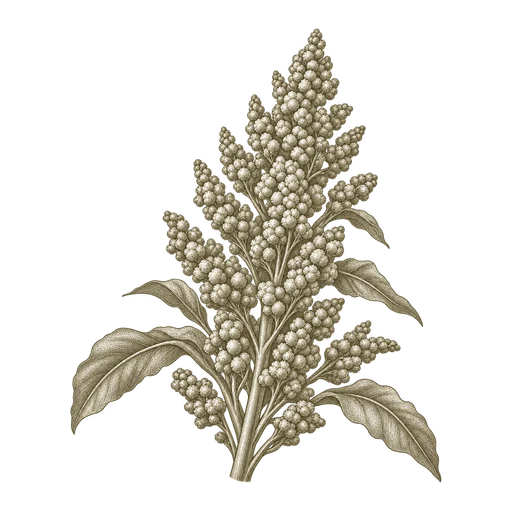
Explore ingredientAmaranth can be sourced as grain, leaf meal or whole-plant forage, and those forms are not interchangeable in feed formulation. Specify the plant material, species and processing method, then compare lot analysis suited to the intended animal and use.
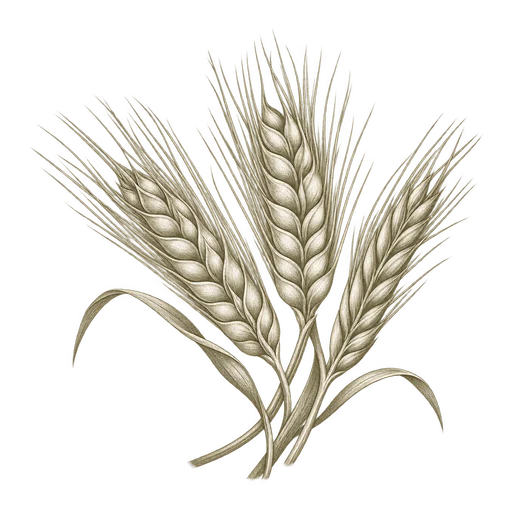
Explore ingredientBarley is a cereal grain used in cattle feed, malting, food and industrial processing. Whole and processed forms serve different needs; identify the intended use, processing state and receiving requirements when sourcing a bulk order.
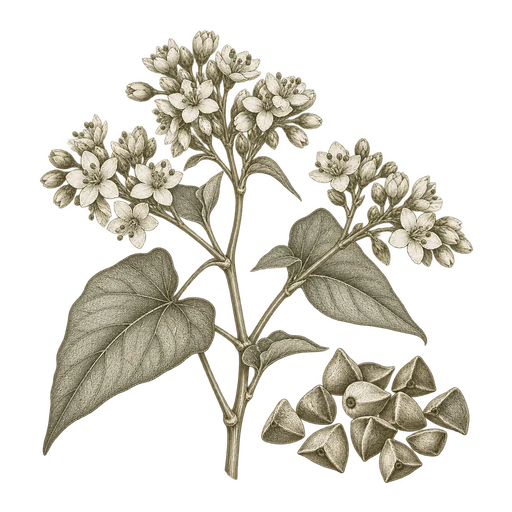
Explore ingredientBuckwheat is sourced as whole seed, dehulled groats, flour and milling by-products for food and feed uses. Choose the form and processing status for the intended use, and compare lot quality on a clearly stated basis.
Explore ingredient