Grains
Alfalfa
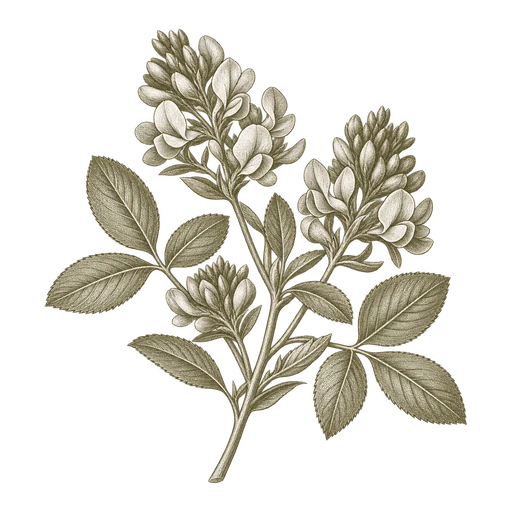
Alfalfa is a forage legume sourced as hay, silage, meal or pellets for livestock feed. Match the form to receiving and ration needs, then compare a lot-specific analysis on a consistent basis.
Explore ingredientCompare millet by species first, then evaluate the lot’s moisture, foreign material, kernel condition and physical form against requirements set for its intended use.
“Millet” names a group of small-seeded cereal grains, not one uniform commodity. Pearl, proso, foxtail and finger millet are distinct species. A quote or specification that says only “millet” therefore leaves an important question unanswered: which grain is being offered?
Species identification matters because buyers may be sourcing for different feed or food uses, and the grain’s appearance and processing behavior are not interchangeable by name alone. Keep species separate when comparing offers, samples or prior lot records. A familiar color or kernel shape can be a useful visual clue, but should not replace clear product identification.
If a purchase calls for a particular millet, record that species explicitly in the product description. Then compare it with the sample and accompanying lot information. This prevents a price or quality comparison from treating different grains as equivalent simply because both are sold as millet.
A useful grain review looks beyond the species name. Moisture, foreign material, kernel condition and particle form each describe a different aspect of the lot. No single specification applies to every millet or end use, so establish the relevant requirements for the intended application rather than borrowing a threshold from another grain or purchase.
Moisture is relevant to the condition of incoming grain and how it will be handled and stored. Foreign material indicates the presence of material other than the intended grain, while kernel condition helps describe whether kernels are sound, broken or otherwise damaged. The buyer should understand how each characteristic is defined and measured in the offered specification, rather than relying on a label such as “clean” or “good quality.”
A representative sample is important when comparing a lot to its stated characteristics: a handful from an unrepresentative location may not reflect the shipment as a whole. Agree on what sample or analysis is being used for the decision, and make sure the species and lot identity accompany it.
Particle form changes how millet fits a receiving and manufacturing process. Whole grain retains intact kernels; ground or otherwise reduced-particle material has a different physical form. Those forms should not be compared as if they were the same product, even when the species is identical.
For whole grain, kernel integrity and the amount of broken material may affect whether the delivered form matches the process. For milled material, particle-size description and consistency can matter to handling or blending. The term “ground” alone does not provide a complete description: buyers should specify the form their equipment and formulation require.
When reviewing a sample, compare its physical form with the product description and intended point of use. If a processor needs whole kernels, a ground form is not a substitute; if a formulation calls for milled grain, the whole-grain specification does not answer particle-size questions.
A feed analysis is useful only when it addresses the questions the formulator needs answered. The appropriate analytical measures depend on the ration, the role millet will play and the other ingredients in the mix. A broad claim that millet is “feed quality” does not replace the analysis needed for a particular formulation.
Separate identity and physical condition checks from nutritional analysis. Species, moisture, foreign material and kernel condition describe what the lot is and how it presents. Nutrient results help a nutritionist assess the ingredient in context. Ask for the specific measures needed for the intended use, and compare results on a consistent basis when evaluating alternatives.
Avoid treating one result or one specification as a universal pass/fail rule for every millet purchase. Requirements for a food process, a feed formula or a particular particle form can differ. A defined product description and use make the analysis easier to interpret.
For a useful comparison, put species, physical form and intended use at the top of the review. Then record the lot’s stated moisture, foreign-material measure, kernel condition and any required feed-analysis results. Note the basis and method where they are provided, so two offers are not compared using differently defined measures.
Before an order, align the product description, sample and lot documents. Set any acceptance thresholds for the specific purchase instead of assuming a general millet standard. Also consider whether the facility receives whole or processed grain and whether its handling system can accommodate the chosen form.
Once the target species and form are clear, visit the [millet ingredient page](/ingredients/millet) to continue with sourcing. A defined specification gives a broker a clearer basis for discussing the product, quantity and destination.
No. They are different millet species, so identify the required species explicitly and compare offers of that same grain. A generic “millet” description is not enough to establish equivalence.
Start with species and form, then review moisture, foreign material and kernel condition. For feed use, include the analysis measures needed for the specific formulation. Required thresholds depend on the application and should be set for the lot rather than assumed to be universal.
Not necessarily. Whole grain and ground material differ in physical form and may need different descriptions for kernel condition or particle size. Specify the form your process requires and review a sample against that description.
Focused guides to the specification, application, and delivery questions behind this ingredient.
Storage planning for bulk millet depends on form: intact grain calls for measured moisture and mold prevention, while wholemeal flour also needs protection from conditions that encourage rancidity.
Read this InsightWhole and ground pearl millet differ in particle form, handling and how they fit into a poultry feed system. Compare the required form and current lot analysis within the complete ration; feeding results from one set of grain and bird conditions are not universal formulation rules.
Read this InsightAlfalfa is a forage legume sourced as hay, silage, meal or pellets for livestock feed. Match the form to receiving and ration needs, then compare a lot-specific analysis on a consistent basis.
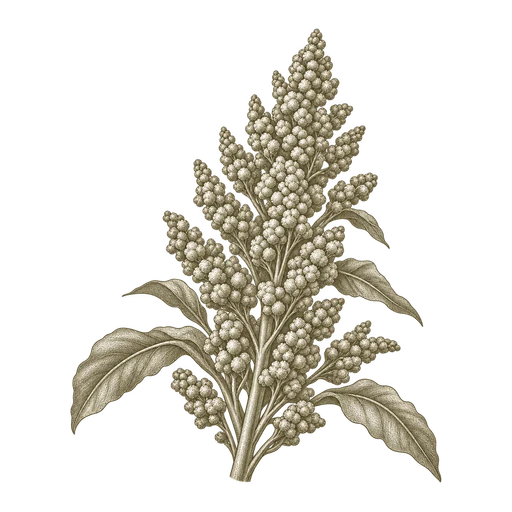
Explore ingredientAmaranth can be sourced as grain, leaf meal or whole-plant forage, and those forms are not interchangeable in feed formulation. Specify the plant material, species and processing method, then compare lot analysis suited to the intended animal and use.
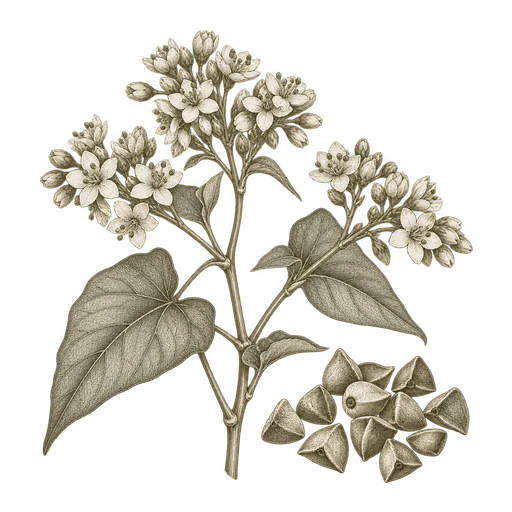
Explore ingredientBuckwheat is sourced as whole seed, dehulled groats, flour and milling by-products for food and feed uses. Choose the form and processing status for the intended use, and compare lot quality on a clearly stated basis.
Explore ingredientMilo is grain sorghum used as a starch-rich energy grain in animal feed. Compare whole and processed forms, then match quality measures and receiving details to the species, ration, and facility.
Explore ingredient