Grains
Alfalfa
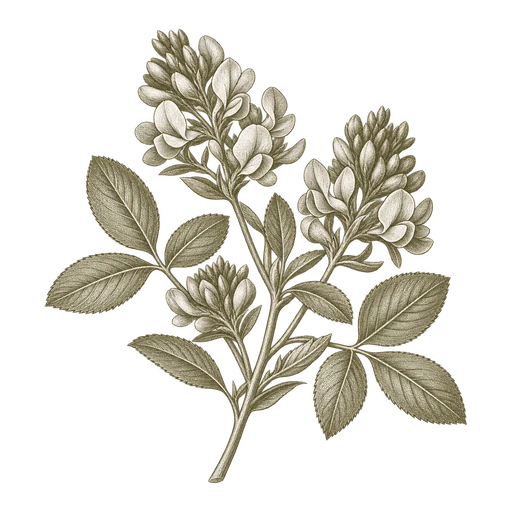
Alfalfa is a forage legume sourced as hay, silage, meal or pellets for livestock feed. Match the form to receiving and ration needs, then compare a lot-specific analysis on a consistent basis.
Explore ingredientDried distillers grains can add protein and energy to beef rations, but their sulfur and phosphorus contributions affect whole-ration decisions. Learn what analyses to consider and why calcium balance matters before sourcing a product.
Dried distillers grains can contribute both protein and energy to a beef ration. They are a coproduct of grain fermentation, and their remaining nutrients include protein, digestible fiber and, depending on processing, residual fat. Their energy value and protein contribution make them useful formulation ingredients, but they do not replace the need to balance the whole ration.
The nutrient profile is not identical from one product or lot to another. Processing affects the amount of residual oil, while the source grain and production conditions also influence the analysis. For a nutritionist, that means the ingredient’s contribution should be calculated from the offered product’s analysis rather than from a generic description of distillers grains.
Sulfur is a key formulation consideration because dried distillers grains can contribute a meaningful amount, and the amount can vary. Sulfur also comes from other feed ingredients, mineral supplements and drinking water. Assessing the distillers ingredient alone therefore cannot show the cattle’s total exposure.
In the rumen, sulfur can be converted to hydrogen sulfide. Excessive total sulfur exposure is associated with polioencephalomalacia, a serious neurological disorder in ruminants. Risk depends on the complete diet and water, as well as animal and management conditions; there is no single inclusion decision that can be evaluated without that context.
A practical ration review considers sulfur from all relevant sources, including water where appropriate, and uses current qualified guidance for the cattle and feeding situation. Do not apply a universal distillers-grain inclusion rate or sulfur threshold without accounting for the complete ration and local conditions.
Dried distillers grains can contribute substantial phosphorus. This can help meet a ration’s phosphorus needs, but it can also make the total diet phosphorus-heavy if other ingredients and supplements already supply enough. The useful question is not simply how much phosphorus the coproduct contains; it is how its contribution fits the cattle’s full ration.
Calcium matters alongside phosphorus. Distillers grains are generally low in calcium relative to their phosphorus contribution, so a ration built around them may need its calcium supply evaluated carefully. A nutritionist can assess the complete calcium-to-phosphorus balance and determine whether a calcium source or another formulation change is appropriate. Adding a supplement by habit, without checking the rest of the ration, can create a different imbalance rather than solve one.
These minerals are not interchangeable, and a favorable ratio alone does not establish that the ration meets every nutrient need. Animal class, forage, other feeds, mineral program and management all influence the formulation decision.
Start with an analysis that identifies the product and reports the nutrients relevant to the formulation, including sulfur, phosphorus, calcium, moisture, protein and energy-related measures used by the nutritionist. Compare values on a consistent basis, such as dry matter, so moisture differences do not distort the comparison. Use lot-specific information when available, particularly when sulfur or mineral balance is central to the decision.
Then combine the coproduct analysis with the rest of the feed program. Include forage and other concentrates, mineral supplements, and water where sulfur exposure is a concern. A qualified cattle nutritionist can interpret those inputs for the cattle’s class and production setting and verify technical recommendations against current guidance.
Once the nutritionist has defined the required analysis and product form, use the Dried Distillers Grain sourcing page to explore the ingredient for a bulk purchase. For a useful quote, specify the form, quantity, delivery destination, timing and any analysis requirements; actual lot details and commercial terms depend on the offer.
Yes. They can contribute protein and energy, including energy from digestible fiber and residual fat. The amount they contribute depends on the product analysis and the rest of the ration, so have a nutritionist formulate from current ingredient data.
Sulfur can vary among products and adds to sulfur from other feeds, supplements and water. Total exposure matters because excessive sulfur is associated with polioencephalomalacia in ruminants. Evaluate the complete ration and water where relevant rather than using the ingredient value in isolation.
Not automatically. They can contribute phosphorus while supplying relatively little calcium, so the full ration’s calcium and phosphorus contributions need review. A nutritionist can determine whether a calcium source or another adjustment is appropriate for the specific cattle and feeding program.
Focused guides to the specification, application, and delivery questions behind this ingredient.
Plan dried distillers grains receiving around the product’s moisture and particle characteristics, bin design, unloading equipment and expected storage time to reduce caking and bridging disruptions.
Read this InsightA practical guide to comparing dried distillers grains analyses on a consistent basis, with attention to product identity, moisture, nutrients, minerals and relevant testing.
Read this InsightAlfalfa is a forage legume sourced as hay, silage, meal or pellets for livestock feed. Match the form to receiving and ration needs, then compare a lot-specific analysis on a consistent basis.
Explore ingredientAlfalfa meal is ground forage used in animal feed, with sun-cured and dehydrated processing routes and meal or pellet forms. Compare the offered process, physical form and analysis against the needs of the species and feed formulation.
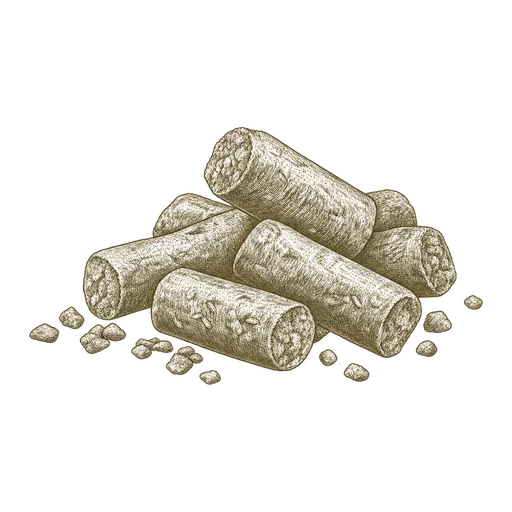
Explore ingredientAlfalfa pellets are ground, compressed forage used in livestock feeding and compound feeds. Compare the drying process, alfalfa material, forage analysis and pellet characteristics to choose a form that fits your ration and receiving setup.
Explore ingredientBeet pulp pellets are a dried, compacted sugar beet co-product used as a fibrous, energy-bearing ingredient in livestock feed. Compare molasses status, lot analysis and pellet handling needs to match the product to your ration and receiving setup.
Explore ingredient