Grains
Alfalfa
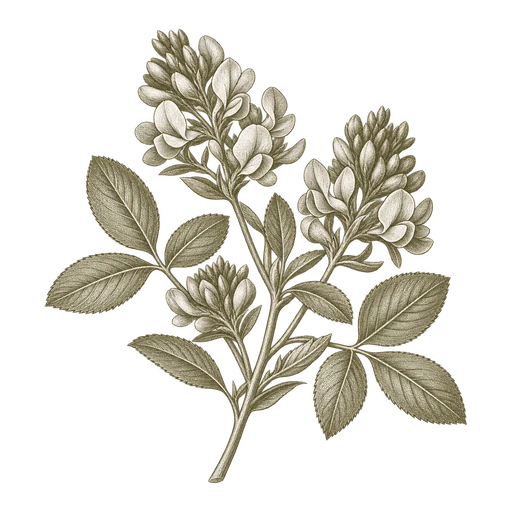
Alfalfa is a forage legume sourced as hay, silage, meal or pellets for livestock feed. Match the form to receiving and ration needs, then compare a lot-specific analysis on a consistent basis.
Explore ingredientA practical guide to comparing dried distillers grains analyses on a consistent basis, with attention to product identity, moisture, nutrients, minerals and relevant testing.
Before comparing nutrient values, confirm whether the material is dried distillers grains (DDG) or dried distillers grains with solubles (DDGS). DDG generally refers to dried grain solids without added condensed solubles; DDGS includes solubles returned during processing. Trade descriptions are not always used consistently, so the product name alone may not settle the difference. Look for a product description that explains whether solubles are included.
Grain source and processing also matter. Corn is a common source, but distillers grains can be made from other grains or grain blends. The source and the amount of solubles incorporated can affect the resulting nutrient profile. Compare lots with those details in view rather than treating every product labeled “distillers grains” as interchangeable.
Moisture determines how much of a delivered product’s weight is water, so it affects the interpretation of every nutrient reported on an as-fed basis. Dry matter removes that difference and is useful for comparing nutrient concentrations, while the as-fed analysis reflects what arrives in the load. Neither basis is automatically the right one for every decision: the ration calculation and the purchasing comparison may call for different views.
If converting a nutrient from an as-fed percentage to a dry-matter percentage, use the same sample’s moisture result: dry-matter percentage equals the as-fed nutrient percentage multiplied by 100 and divided by 100 minus the moisture percentage. Do not compare converted values with reported dry-matter values until you have checked the report’s basis and units. A small basis mismatch can make two similar lots look meaningfully different.
Compare protein and fat on the same reporting basis and note the laboratory method where it is stated. These values help describe the ingredient’s nutrient contribution, but they do not by themselves determine how much to use. That decision depends on the complete ration, the animal species and class, and the other ingredients supplying energy, protein and fat.
“Fiber” needs particular care. A report may give crude fiber, neutral detergent fiber (NDF), acid detergent fiber (ADF), or more than one measure. Those measures describe different analytical fractions and are not direct substitutes for one another. Compare like with like; if the report lists only a general fiber value, establish which measure it represents before using it in formulation.
Phosphorus and sulfur can affect ration formulation and should be reviewed alongside the rest of the mineral program. Check whether each value is expressed as-fed or on a dry-matter basis, and whether the report gives a percentage or another unit. A value without that context is difficult to compare or use.
Sulfur deserves particular attention in ruminant diets because the total ration—not just the distillers grains—determines the animal’s overall exposure. Phosphorus likewise needs to be considered against the ration’s other sources and the species being fed. A cattle ration, for example, calls for a different formulation context than a ration for another species. Do not apply a single inclusion decision or universal cutoff to every feed program.
An analysis is useful only if it corresponds to the material being considered. Match the report to the lot or shipment, review its sampling and test dates, and identify the laboratory methods used for the reported measures. Representative sampling is important because a test on one sample cannot describe material that was not adequately represented.
Mycotoxin testing is relevant when the grain source, known supply-chain concerns, feed program or species make a particular toxin a concern. Review which mycotoxins were tested and the methods or reporting limits shown on the report; a general statement that material was “tested” does not tell you what was covered. There is no single test panel or universal limit that answers every buyer’s question. Have a nutritionist or feed-quality specialist interpret results in the context of the intended species and ration.
For buyers sourcing dried distillers grains against a defined analysis, the Dried Distillers Grain page is a natural starting point. When comparing offers, request the product description and corresponding lot analysis together, then resolve any differences in form, reporting basis or test coverage before using the values in a formulation.
Not necessarily. DDGS includes solubles returned during processing, while DDG generally describes dried grain solids without added solubles. Because trade naming can vary, ask for a product description that states whether solubles are included.
Use the basis that matches your decision, and make sure both analyses use the same one. As-fed values describe the delivered material; dry-matter values remove moisture differences and help compare nutrient concentrations.
Request results when grain-source concerns, the intended species or your feed-quality program make them relevant. Check which toxins were tested and interpret the findings against the specific ration and applicable guidance rather than assuming one panel or cutoff fits every use.
Focused guides to the specification, application, and delivery questions behind this ingredient.
Plan dried distillers grains receiving around the product’s moisture and particle characteristics, bin design, unloading equipment and expected storage time to reduce caking and bridging disruptions.
Read this InsightDried distillers grains can add protein and energy to beef rations, but their sulfur and phosphorus contributions affect whole-ration decisions. Learn what analyses to consider and why calcium balance matters before sourcing a product.
Read this InsightAlfalfa is a forage legume sourced as hay, silage, meal or pellets for livestock feed. Match the form to receiving and ration needs, then compare a lot-specific analysis on a consistent basis.
Explore ingredientAlfalfa meal is ground forage used in animal feed, with sun-cured and dehydrated processing routes and meal or pellet forms. Compare the offered process, physical form and analysis against the needs of the species and feed formulation.
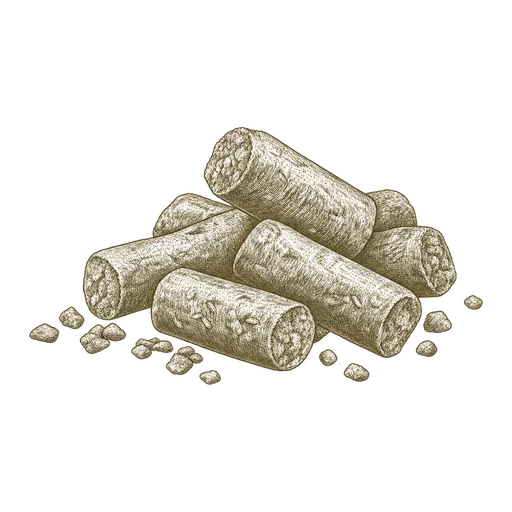
Explore ingredientAlfalfa pellets are ground, compressed forage used in livestock feeding and compound feeds. Compare the drying process, alfalfa material, forage analysis and pellet characteristics to choose a form that fits your ration and receiving setup.
Explore ingredientBeet pulp pellets are a dried, compacted sugar beet co-product used as a fibrous, energy-bearing ingredient in livestock feed. Compare molasses status, lot analysis and pellet handling needs to match the product to your ration and receiving setup.
Explore ingredient