Grains
Alfalfa
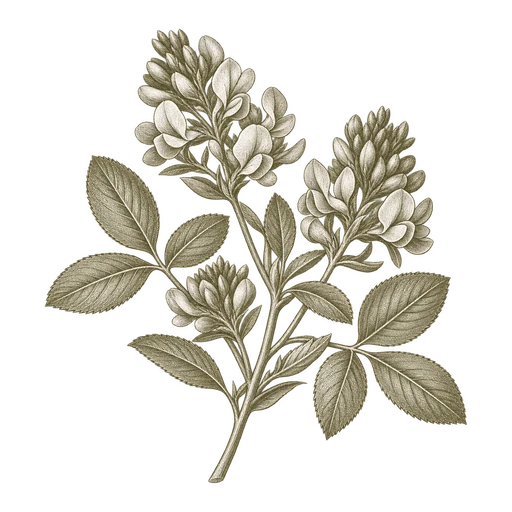
Alfalfa is a forage legume sourced as hay, silage, meal or pellets for livestock feed. Match the form to receiving and ration needs, then compare a lot-specific analysis on a consistent basis.
Explore ingredientPlan bulk corn starch receiving around the order quantity, site destination, package and unloading compatibility, then protect the dry powder from moisture using the supplier’s product-specific handling directions.
A bulk corn starch order is easier to receive when purchasing and operations agree on the shipment details before requesting a quote. Set the required quantity and unit, delivery destination and preferred timing. Then describe how the site receives ingredients: for example, whether the receiving point is equipped for the packaging and unloading arrangement being considered. These details help connect the product order to the realities of the facility, rather than treating delivery as a separate step.
Use the same quantity unit in internal forecasts, the purchase request and receiving records wherever possible. If teams use different units, clarify how the ordered amount will be stated and checked on arrival. Share any receiving-hour limits, access restrictions or appointment procedures that affect when a delivery can be accepted. These are site requirements, not assumptions about what a supplier or carrier can provide.
Do not plan around a packaging format until the offered corn starch package is known. Ask what packaging is proposed, how the material is discharged, and what equipment the receiving site would need to handle it. Compare those requirements with the facility’s actual unloading connection, material-transfer equipment and available storage capacity. A mismatch can delay unloading or require a different receiving plan.
Describe constraints clearly when requesting a shipment: the type of receiving setup available, any access limitations, and whether the facility can handle the proposed package. If the site relies on a particular transfer method, state that before terms are finalized. The broker can then discuss a suitable offer, without assuming a package size, transport mode or unloading service.
Corn starch is a dry powder, so keeping it protected from moisture is a central receiving and storage consideration. Moisture exposure can change how a powder handles, including by encouraging clumping. Plan to move received material promptly into an appropriate dry storage area and protect opened or transferred product from damp conditions.
Keep the storage plan specific to the offered product and the facility. Ask for the supplier’s handling and storage directions, and share them with the people responsible for receiving, transferring and using the ingredient. Do not substitute a generic storage assumption for directions tied to the product being purchased. Also plan how the site will keep the material identified and protected during normal handling.
Assign responsibility for checking the delivery against the purchase details. The receiving team should know the expected product identity, quantity unit and packaging, as well as where the material is to be directed. Establish how discrepancies, damaged packaging or signs of moisture exposure will be recorded and communicated. This makes it easier to resolve a receiving issue while the delivery details are still at hand.
Keep the product’s handling instructions available where the material is received and stored. If the ingredient will be transferred into another container or storage system, include that step in the plan; moisture protection does not end when unloading is complete. Aligning the receiving and storage teams reduces the chance that product is left exposed or moved into an unsuitable area.
For a useful bulk corn starch inquiry, provide the required quantity and unit, destination, preferred timing, receiving equipment and any site access constraints. State what packaging or unloading arrangement the facility can accommodate, while leaving the specific offer open for discussion. Include relevant product requirements and request the handling and storage directions that apply to the product offered.
Packaging, availability, delivery arrangements and commercial terms depend on the particular offer. Confirm them before scheduling the receiving team or relying on a storage plan. To start a sourcing request, see the [Corn Starch](/ingredients/corn-starch) page.
Provide the quantity and unit, delivery destination and preferred timing. Describe the packaging and unloading setup your facility can accept, plus any access or receiving-hour constraints.
Corn starch is a dry powder, and moisture exposure can affect powder handling, including by encouraging clumping. Plan for dry storage and follow the handling directions supplied for the product offered.
No. Packaging and delivery arrangements depend on the offer. Confirm the proposed package, unloading requirements and compatibility with your receiving equipment before finalizing the plan.
Focused guides to the specification, application, and delivery questions behind this ingredient.
Choose corn starch for thickening by matching native or modified starch performance data to your manufacturing process and target texture. Learn what to define and compare before evaluating a formulation.
Read this InsightCompare native and modified corn starch by grade identity, functional test conditions, moisture basis and lot-specific analysis so the figures reflect the product and process you actually need.
Read this InsightAlfalfa is a forage legume sourced as hay, silage, meal or pellets for livestock feed. Match the form to receiving and ration needs, then compare a lot-specific analysis on a consistent basis.
Explore ingredientAlfalfa meal is ground forage used in animal feed, with sun-cured and dehydrated processing routes and meal or pellet forms. Compare the offered process, physical form and analysis against the needs of the species and feed formulation.
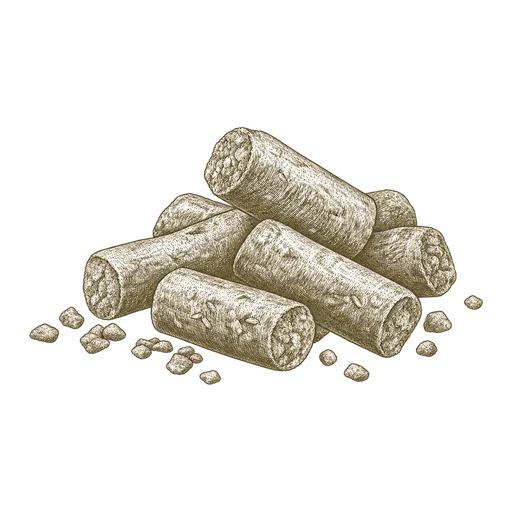
Explore ingredientAlfalfa pellets are ground, compressed forage used in livestock feeding and compound feeds. Compare the drying process, alfalfa material, forage analysis and pellet characteristics to choose a form that fits your ration and receiving setup.
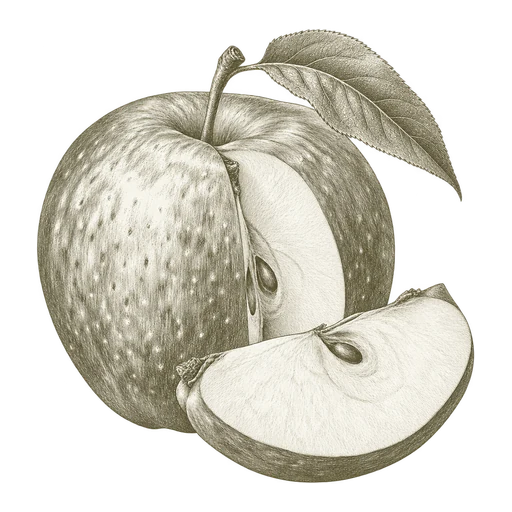
Explore ingredientApple pomace is an apple-pressing residue used in ruminant feed. Wet, dried and ensiled forms differ in moisture and preservation, so compare the actual form and lot analysis when assessing its role in a ration and planning bulk handling.
Explore ingredient