Grains
Alfalfa
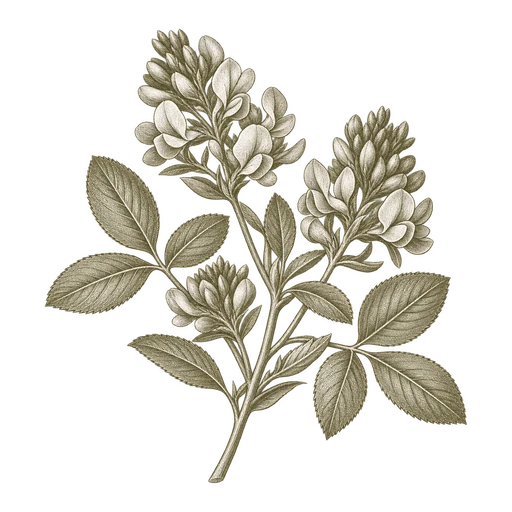
Alfalfa is a forage legume sourced as hay, silage, meal or pellets for livestock feed. Match the form to receiving and ration needs, then compare a lot-specific analysis on a consistent basis.
Explore ingredientCompare native and modified corn starch by grade identity, functional test conditions, moisture basis and lot-specific analysis so the figures reflect the product and process you actually need.
Native corn starch is starch separated from corn without a starch-modification treatment. Modified corn starch has been treated to change one or more functional properties. The word “modified” is not a complete grade description: treatments differ, and so do the characteristics they are intended to change.
Before comparing figures, establish whether each offer is native or modified and identify the specific grade or modification stated in its product description. A modified grade should not be treated as interchangeable with native starch, or with another modified grade, simply because both are described as corn starch. Their behavior in a process can differ.
Tie the identity to the intended process. For example, a formulation that depends on a particular cooked-paste behavior needs data for the offered grade under relevant conditions; the general label “modified” does not establish that behavior. Buyers sourcing corn starch can use the product page as a starting point, then compare offers against the named grade and application.
Starch function is measured through tests, not inferred from a product name alone. Depending on the grade and application, useful measures can include viscosity or paste behavior, gelatinization behavior, and how the starch performs through heating, cooling, or other process steps. No single measure describes every grade.
The conditions behind a result are part of the result. For a viscosity comparison, look for the starch concentration and the test’s temperature, heating, mixing or shear conditions, and measurement point. If those differ, the reported values may not describe a like-for-like comparison. Similar care applies to other functional tests: the method and sample preparation help define what the number means.
Choose measures that correspond to the production question. If a process depends on thickening after a defined heating step, a functional result from a materially different test may be a poor predictor. A specification should identify the method or test conditions clearly enough for technical staff to assess whether the result is relevant.
A percentage can be reported on an as-received basis, which includes the sample’s moisture, or on a dry basis, which expresses the result relative to the solids. Those bases are not directly interchangeable. A protein, ash or other analytical percentage can appear different simply because the calculation basis differs, even when the underlying sample is the same.
For every percentage being compared, check whether it is stated as received or on a dry basis. Moisture itself is also useful in understanding the physical condition of the lot and interpreting other reported values. Do not compare a dry-basis result from one offer with an as-received result from another as though they shared a common scale.
A product specification describes the grade’s stated requirements or characteristics; a lot analysis reports results for a particular batch. A typical value is not necessarily a guaranteed limit. When reviewing documents, identify which kind of value is shown, what limits apply, and whether the analytical result refers to the lot being offered.
Lot documentation is most useful when it identifies the product or grade, reports relevant results with units and basis, and names the analytical methods. If a result is outside the stated specification, or the document does not make clear which grade or lot it covers, the comparison is incomplete. This does not mean every buyer needs every possible test: focus on the measures that affect the process and the purchase requirements.
Put the offers side by side using the same questions: Is each product native or modified, and is the grade identified? Which functional measures matter for the intended process? Are test conditions and methods comparable? Are analytical values on the same moisture basis? Does each document distinguish grade limits from a specific lot’s results?
If two offers cannot be aligned on those points, treat the difference as unresolved rather than deciding that a higher or lower number means better performance. Ask for the missing grade or method detail, and have technical staff assess whether the test represents the production process. For a sourcing inquiry, state the required grade, the functions the specification must support, and any necessary lot-analysis requirements. Then use the corn starch page to continue toward a product-specific offer.
Only when the grade identity, functional test method and conditions, units, and moisture basis are clear and comparable. Modification can change starch functionality, so a shared corn starch label is not enough to establish equivalence.
The values may use different reporting bases. An as-received percentage includes moisture, while a dry-basis percentage expresses the result relative to solids. Check the basis and units before comparing.
It should identify the grade or product and the lot it represents, report relevant results with units and their reporting basis, and identify the analytical methods. Compare those results with the applicable specification rather than treating a typical value as a guaranteed limit.
Focused guides to the specification, application, and delivery questions behind this ingredient.
Plan bulk corn starch receiving around the order quantity, site destination, package and unloading compatibility, then protect the dry powder from moisture using the supplier’s product-specific handling directions.
Read this InsightChoose corn starch for thickening by matching native or modified starch performance data to your manufacturing process and target texture. Learn what to define and compare before evaluating a formulation.
Read this InsightAlfalfa is a forage legume sourced as hay, silage, meal or pellets for livestock feed. Match the form to receiving and ration needs, then compare a lot-specific analysis on a consistent basis.
Explore ingredientAlfalfa meal is ground forage used in animal feed, with sun-cured and dehydrated processing routes and meal or pellet forms. Compare the offered process, physical form and analysis against the needs of the species and feed formulation.
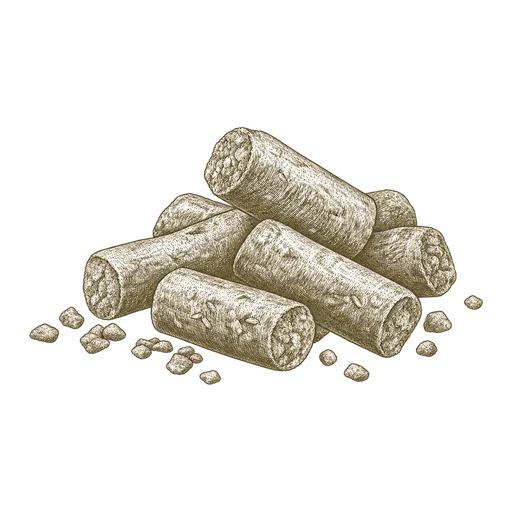
Explore ingredientAlfalfa pellets are ground, compressed forage used in livestock feeding and compound feeds. Compare the drying process, alfalfa material, forage analysis and pellet characteristics to choose a form that fits your ration and receiving setup.
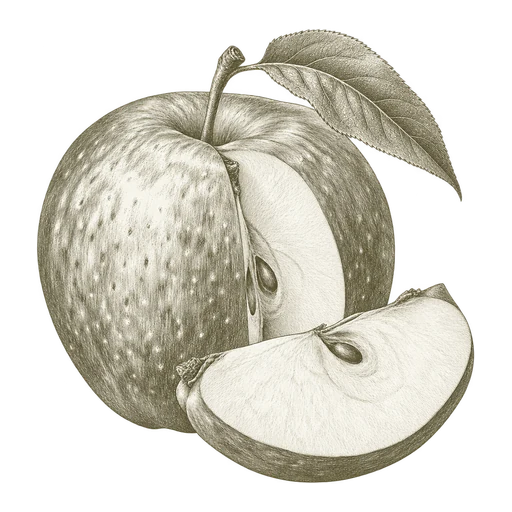
Explore ingredientApple pomace is an apple-pressing residue used in ruminant feed. Wet, dried and ensiled forms differ in moisture and preservation, so compare the actual form and lot analysis when assessing its role in a ration and planning bulk handling.
Explore ingredient