Start with the kernel form your process needs
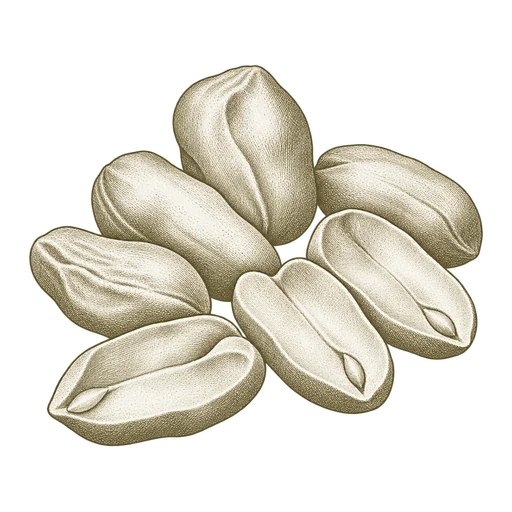
For a food-processing lot, compare blanched peanuts against the role they will play in your product. Whole kernels, halves, pieces and more finely broken material do not behave identically in conveying, roasting, grinding or visible-piece applications. A specification should define the form being offered and make clear how that form is measured or classified.
Kernel size matters for more than appearance. A narrower size profile can support more consistent processing when kernels pass through equipment or receive a heat treatment together; mixed sizes can process unevenly. Ask how size is expressed in the supplier’s specification and whether it describes individual kernels, a screen or count category, or another method. Do not compare size descriptions as though they were equivalent unless the basis and method match.
Breakage is a separate consideration from size. A lot may meet a broad size description but still contain more fragments than a process can accept. For whole-kernel presentation, breakage can affect saleable yield and appearance. For grinding or paste production, pieces may be acceptable, but excess fines can influence handling. Define acceptable forms and how broken material is categorized before comparing offers.
Residual skin and color indicate different things
Blanching removes the peanut’s outer skin; it does not mean the kernel has been roasted. Residual skin is therefore a useful acceptance attribute when a clean, skin-free appearance matters. Clarify whether the specification measures visible skin on kernels, the amount of skin in the lot, or both. A description such as “blanched” alone does not establish a buyer’s tolerance for remaining skin.
Color can affect the look of a finished food and can help identify variation within a lot, but it should be described in terms the parties can evaluate consistently. Ask whether color is assessed visually or by an instrument, whether the assessment applies to whole kernels or broken pieces, and how discoloration is handled. Color does not by itself establish roast status, flavor, or processing history.
Blanched peanuts may be supplied raw or roasted, depending on the offer. Treat roast status as its own specification, separate from blanching. If your process requires raw kernels for an in-house roast step, or roasted kernels for direct use, put that distinction explicitly in the product description and acceptance criteria.
Read moisture results with their basis and method
Moisture is relevant to storage and handling because excess moisture can make a dry ingredient more vulnerable to quality deterioration. But a moisture figure is only comparable when its basis and test method are clear. Ask whether the result is reported on a wet or dry basis, how the sample was prepared, and which method was used. Results obtained or expressed differently may not be directly comparable.
A stated moisture result should be connected to the lot it describes. Confirm whether the value is a lot result, a specification limit, or a general product description, and identify how acceptance is determined if the delivered lot differs. This helps prevent a test value from being mistaken for a guaranteed limit or an independently applicable storage threshold.
Tie safety documentation to the actual lot
Peanuts can require attention to aflatoxin controls in food supply chains. Do not infer a limit, test frequency or compliance status from the product name. Instead, specify which aflatoxin documentation your program requires, which analytes or criteria apply, and what test method and decision basis are acceptable. Those requirements depend on the buyer’s destination, intended use and applicable program.
Ask for documentation that identifies the relevant lot and explains what was tested, when it was tested, and how the result should be interpreted. Confirm whether the report covers the offered lot and whether sampling and testing details meet your quality program. A report without a clear lot connection may not support receiving approval.
Lot identification also links physical inspection, analysis and traceability. Use the same lot reference across the offer, product documents and receiving records. If multiple lots may be combined or shipped separately, establish how each will be identified so that inspection results and any acceptance decision remain tied to the correct material.
Build a comparable specification before ordering
A practical comparison sheet should name the required kernel form, size description and measurement basis, breakage categories, residual-skin criterion, color assessment, roast status, moisture basis and test method, and lot identification. Add the aflatoxin documentation and testing requirements applicable to your program. This makes it easier to see whether two offers describe the same product rather than simply using similar labels.
When requesting a quote, share the intended process, acceptable kernel forms, required analytical documents, quantity, destination and receiving constraints. Clarify which criteria are contractual acceptance limits and which are descriptive information. Exact specifications, test methods and lot documents depend on the offered lot and should be agreed before purchase. For product forms and sourcing options, see the Bulk Ag Exchange page for Blanched Peanuts.
Common questions.
Does blanched mean the peanuts are roasted?+
No. Blanching refers to removing the outer skin; it does not establish whether the kernels are raw or roasted. State the required roast status separately.
Which kernel specifications are most important for processing?+
Start with the form your process needs, then define size and its measurement basis, breakage, and any residual-skin or color criteria. Their relative importance depends on whether the kernels will be presented whole, further processed, or ground.
What should a moisture result include?+
Request the result’s reporting basis and test method, and clarify whether it describes the specific lot or a general specification. Without those details, comparisons may be misleading.
What aflatoxin documents should accompany a lot?+
Set requirements based on your food-safety program and destination. Specify the applicable criteria and test method, and ensure the documentation identifies the tested lot and explains the result.