Blanching removes the skin—not every other decision
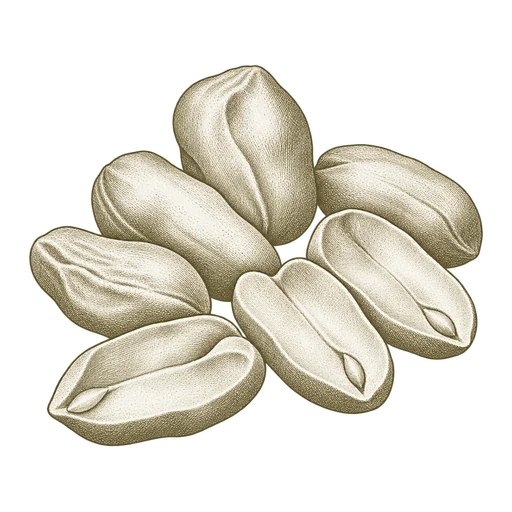
Blanched peanuts are kernels with their red-brown skins removed. For peanut butter processors, that can simplify a later step: the starting kernels do not carry the skins into roasting and grinding. But “blanched” describes skin removal, not whether the kernels are raw, roasted, or ready to grind.
That distinction matters when comparing offers. A processor planning to roast kernels in its own line needs to define the incoming product’s treatment and intended process. A product that has already been heat-treated may behave differently in the plant from one intended for a later roasting step. The word “blanched” by itself does not settle that question.
Specify raw or heat-treated status separately
Peanut butter commonly involves roasting peanuts before grinding. Roasting develops the flavor associated with the finished product, while grinding turns the roasted kernels into a paste. If roasting is part of the buyer’s process, the incoming kernels need to be described in a way that makes their prior treatment clear.
Ask suppliers to state what they mean by raw or heat-treated and how that description applies to the offered blanched kernels. Do not assume that blanching means the same thing as roasting, or that every product described as raw has had identical handling. The processing history is relevant to the next manufacturing step, so the specification should match the buyer’s equipment and process sequence.
Kernel integrity affects how the material enters the line
Blanched peanuts may be offered as whole kernels, splits, or pieces, depending on the product and supplier. These forms are not interchangeable simply because they share the same skin-removal step. Whole kernels and smaller pieces differ in physical size and how they feed into handling and processing equipment.
For a line designed around whole kernels, a material with a substantial share of broken pieces may not feed or move in the same way. Conversely, a processor that roasts and grinds the peanuts after receiving them may be able to use a different kernel profile. Describe the required form and acceptable condition in practical terms, then request information on kernel integrity and any relevant defect or foreign-material criteria.
Build a specification around the processor’s quality needs
A useful purchase specification separates three questions: have the skins been removed, what treatment have the kernels received, and what physical condition is required? Keeping them separate prevents a broad product name from standing in for details that affect receiving, roasting, and grinding.
Quality requirements should reflect the intended product and the plant’s own controls. A processor may need defined expectations for kernel condition, cleanliness, sensory qualities, or lot documentation, but those requirements should come from the buyer’s program rather than assumed universal values. Where a particular test or acceptance limit matters, name it and agree on how it will be assessed before purchase.
Also make sure the description applies to the actual lot being quoted. Product name, form, processing status, and any agreed quality criteria should be consistent across the commercial offer and the information supplied for the shipment.
Questions to resolve before ordering
Before requesting a quote, define whether the plant needs whole blanched kernels, splits, or pieces; whether the kernels must be raw or have received another heat treatment; and what condition or quality criteria the plant requires. Give the supplier the intended sequence—such as receiving, roasting, then grinding—so the incoming product can be described against the actual process.
Quantity, destination, required timing, packaging, and unloading arrangements also shape a bulk order. These details help establish whether a proposed shipment can be received and handled at the facility; commercial terms depend on the specific offer. For a product-level overview and sourcing inquiry, see the [Blanched Peanuts page](/ingredients/blanched-peanuts).