Grains
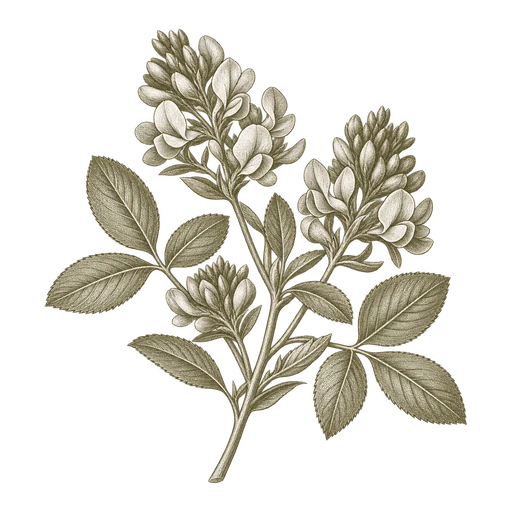
Alfalfa
Alfalfa is a forage legume sourced as hay, silage, meal or pellets for livestock feed. Match the form to receiving and ration needs, then compare a lot-specific analysis on a consistent basis.
Explore ingredientFeed barley quality is best judged against its intended use. Understand what moisture, test weight, foreign material, damaged kernels, contaminant results and processing consistency can tell you—and what each measure cannot establish—before setting lot-specific acceptance criteria.
Feed barley quality is not a single grade or number. The useful comparison depends on how the grain will be used: as a whole grain, after rolling or grinding, or as one component of a formulated ration. A measure that helps assess storage or handling may not answer a nutrition question, and a lot that suits one mill or feeding program may not match another buyer’s requirements.
Before comparing offers, define the intended form and use. If barley will be processed, consider how kernel condition and consistency affect the equipment and the finished particle size. If it will be balanced into a ration, nutritional analysis may matter alongside physical measures. Buyers should set acceptance criteria for their own operation rather than assume one universal set of limits applies to all feed barley.
Moisture is relevant to grain condition, storage planning and the weight basis used in a quality comparison. Ask whether reported values are measured on an as-received or another stated basis, and whether the result applies to the specific lot being offered. The result helps frame handling decisions; it does not, by itself, establish the grain’s nutritional value or suitability for every use.
Test weight describes the weight of grain occupying a defined volume. It can help buyers compare bulk density and is useful context for storage, conveying and grain evaluation. It is not a direct substitute for a feed analysis: a test-weight result does not state the barley’s protein, energy value or other ration characteristics. Compare results only when the measurement method and units are clear.
Foreign material refers to material other than the intended grain, while damaged kernels are barley kernels affected by defects or deterioration. These are different observations and should not be combined into a vague description such as “clean grain.” The amount and type of extraneous material can affect cleaning needs and the usable portion of a lot. Damaged kernels can signal condition issues that deserve closer review, depending on what caused the damage and how the barley will be handled.
For a meaningful comparison, ask how each measure was determined, what the reported categories include and whether the result comes from a representative sample of the offered lot. If the buyer’s operation has particular screening, grinding or receiving constraints, those constraints should guide the acceptance criteria. Avoid treating a general description as a substitute for the specific measurements needed.
A contaminant result is meaningful only when the contaminant, sampling approach, analytical method and reporting basis are identified. Different buyers may require different tests depending on the intended use and their own quality program. A result for one analyte does not establish that every other potential contaminant was tested, and an unspecified statement that a lot was “tested” provides little basis for comparison.
For any result that affects acceptance, request the analyte name, value, units, method or test basis, sample date and connection to the offered lot. Then compare it with the buyer’s own applicable requirements. Do not infer a universal feed-barley acceptance threshold from a single offer or from a result whose scope is unclear.
Processing consistency matters when barley will pass through rolling, grinding or another preparation step. Variation in kernel size, condition or cleanliness can affect how uniformly material is handled and processed. Buyers should say whether they need whole grain or processed barley, describe the equipment or particle-size expectations that matter, and establish how consistency will be assessed. Those details are more useful than requesting a general promise of uniformity.
For each offer, assemble the lot identity and date, intended product form, moisture result and basis, test-weight method, foreign-material and damaged-kernel definitions, relevant contaminant tests, and any nutritional analysis needed for formulation. Confirm that samples and test results correspond to the lot under discussion, and distinguish stated results from the buyer’s acceptance limits. This makes offers comparable without turning a screening measure into a guarantee of performance.
Once the required measures and form are clear, visit the [barley ingredient page](/ingredients/barley) to source barley and share the specifications relevant to your operation. Lot data, packaging, availability and commercial terms depend on the specific offer.
Start with measures tied to your use: moisture and its reporting basis, test weight and method, foreign material, damaged kernels, relevant contaminant tests, and any nutritional analysis needed for ration formulation. Processing needs can add requirements for consistency or product form.
No. Test weight describes grain weight per defined volume and can inform bulk-density comparisons, but it does not provide a nutritional analysis. Use it alongside, not in place of, the measures needed for your feeding or formulation decision.
The relevant limits depend on the buyer’s intended use, quality program and operating requirements. Define your own criteria and compare them with lot-specific results reported with a clear method and measurement basis.
Focused guides to the specification, application, and delivery questions behind this ingredient.
Plan bulk barley receiving around the product form, order size, destination, site equipment and storage conditions. The lot’s moisture, temperature and condition—together with the intended holding period and local handling practices—should guide the storage plan.
Read this InsightRolling, grinding and steam flaking produce different barley particle forms and affect how the kernel’s starch is exposed. Compare the processing description and available particle information in the context of the complete cattle ration and feeding management.
Read this InsightAlfalfa is a forage legume sourced as hay, silage, meal or pellets for livestock feed. Match the form to receiving and ration needs, then compare a lot-specific analysis on a consistent basis.
Explore ingredientAmaranth can be sourced as grain, leaf meal or whole-plant forage, and those forms are not interchangeable in feed formulation. Specify the plant material, species and processing method, then compare lot analysis suited to the intended animal and use.
Explore ingredientBrewers rice is a broken-rice milling fraction used in brewing, fermented products and animal feed. Compare broken, granulated or ground forms and review lot-specific physical and analytical details before sourcing in bulk.
Explore ingredientBrown rice is hulled rice with its bran layers retained, sourced as whole kernels or flour for food uses. Specify grain class, processing state and quality requirements, then match packaging and storage plans to your facility.
Explore ingredient