Grains
Alfalfa
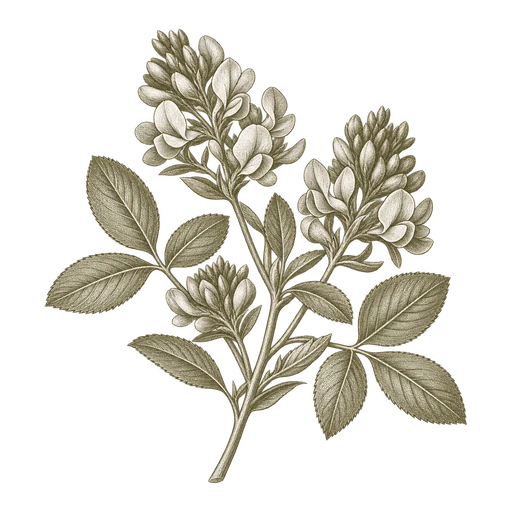
Alfalfa is a forage legume sourced as hay, silage, meal or pellets for livestock feed. Match the form to receiving and ration needs, then compare a lot-specific analysis on a consistent basis.
Explore ingredientPlan bulk barley receiving around the product form, order size, destination, site equipment and storage conditions. The lot’s moisture, temperature and condition—together with the intended holding period and local handling practices—should guide the storage plan.
Bulk barley receiving starts with the exact product form your operation can handle. Whole barley grain and processed barley are not interchangeable for unloading, conveying or storage: processing changes the material’s physical characteristics and can affect how it moves through equipment. Specify whether you need whole grain or a particular processed form rather than relying on the general name “barley.”
Then define the quantity and unit, delivery destination and the timing you need. These details shape the shipment conversation and help identify whether the amount fits your receiving and storage capacity. If the order will be used in stages, consider how much you can receive and hold at once, as well as how the arrival date relates to your production or feeding schedule.
The receiving plan should match the shipment arrangement to the equipment and access available at your site. Note the unloading method your facility can accept, the equipment that will be used, and any limits on vehicle access, operating hours or delivery appointments. Ask the supplier or broker which shipment and packaging details apply to the specific offer; do not assume a particular freight mode or package is available.
Also establish who will receive the load and how the delivered quantity will be recorded. If the site has limited space, restricted access or a narrow receiving window, communicate that early. A delivery that arrives outside the site’s practical receiving conditions can create delays even when the barley itself is appropriate.
Barley storage should be planned around the condition of the particular lot, not a generic shelf-life assumption. Moisture, temperature and the grain’s condition at arrival all affect the storage decision, alongside how long you expect to hold it and the handling practices used at your facility. Obtain the lot’s relevant quality information and discuss any storage questions with the people responsible for grain handling at your site.
Prepare the intended storage area before delivery and make sure its capacity and handling setup suit the quantity and form ordered. Keep the receiving and storage plan consistent with local practice for the facility and the intended use. Do not apply a fixed storage duration or limit without information that matches the barley lot and the actual storage conditions.
Order quantity is more than a purchasing figure: it determines the space, unloading time and inventory management your site must be ready to provide. Compare the proposed quantity and unit with usable storage capacity, not just total bin or warehouse capacity. Account for material already on site and for the pace at which the barley will be used.
Timing matters for the same reason. Align the requested delivery period with site availability, production or feeding needs, and the storage plan. If the delivery date changes, reassess whether the lot can be received and stored under the conditions originally planned. Commercial details such as final timing, packaging, freight arrangement and pricing are specific to the offer and destination.
Before requesting an offer, write down the barley form, quantity and unit, delivery destination, preferred timing, receiving equipment and any site access or appointment constraints. Include the intended holding period and the storage conditions your facility can provide. State any lot information or quality requirements that matter to your planned use so the discussion can focus on the right product.
When reviewing a particular offer, obtain the applicable product description and lot information, along with the shipment and packaging details, delivery timing and commercial terms. The right questions depend on whether the barley is whole or processed, how it will be received and how long it is expected to remain in storage. For product details and a route to sourcing, see the [Barley ingredient page](/ingredients/barley).
Have the required barley form, quantity and unit, destination and delivery timing ready. Also describe your unloading equipment, site access or scheduling limits, storage capacity and intended holding period.
Storage planning depends on the lot’s moisture, temperature and condition, how long it will be held, and the facility’s local handling practices. Use information relevant to the specific lot and storage setup rather than assuming a universal shelf life or limit.
Not necessarily. Confirm that the shipment arrangement and packaging for the specific offer match your unloading equipment, access, receiving hours and available storage space.
Focused guides to the specification, application, and delivery questions behind this ingredient.
Rolling, grinding and steam flaking produce different barley particle forms and affect how the kernel’s starch is exposed. Compare the processing description and available particle information in the context of the complete cattle ration and feeding management.
Read this InsightFeed barley quality is best judged against its intended use. Understand what moisture, test weight, foreign material, damaged kernels, contaminant results and processing consistency can tell you—and what each measure cannot establish—before setting lot-specific acceptance criteria.
Read this InsightAlfalfa is a forage legume sourced as hay, silage, meal or pellets for livestock feed. Match the form to receiving and ration needs, then compare a lot-specific analysis on a consistent basis.
Explore ingredientAmaranth can be sourced as grain, leaf meal or whole-plant forage, and those forms are not interchangeable in feed formulation. Specify the plant material, species and processing method, then compare lot analysis suited to the intended animal and use.
Explore ingredientBrewers rice is a broken-rice milling fraction used in brewing, fermented products and animal feed. Compare broken, granulated or ground forms and review lot-specific physical and analytical details before sourcing in bulk.
Explore ingredientBrown rice is hulled rice with its bran layers retained, sourced as whole kernels or flour for food uses. Specify grain class, processing state and quality requirements, then match packaging and storage plans to your facility.
Explore ingredient