Form follows the process
Whole, puffed, cracked, and flour forms enter food production differently. Specifying the required form—and whether dehulling is needed—helps avoid receiving grain that needs additional processing before use.
Ingredient intelligence · quote-ready sourcing
Also searched as White proso millet, White-seeded proso millet
White millet commonly refers to white-seeded proso millet, sourced for food products, birdseed, and livestock feed. Identify the species, hull status, and processing form to match the grain to its intended use.

In U.S. grain markets, white millet commonly refers to white-seeded proso millet (Panicum miliaceum). Millet also includes other species, so identify the botanical type rather than relying on color alone. White-seeded grain is used in food products, birdseed, and livestock feed, but one market’s grade should not be presumed suitable for another.
Proso is supplied in forms including whole, puffed, cracked, and flour for food uses. Whether it is hulled or dehulled is a separate product distinction. For feed, cracking or grinding is used in many applications because of the hard seed coat; the need depends on the species, ration, and feeding system.
Whole, puffed, cracked, and flour forms enter food production differently. Specifying the required form—and whether dehulling is needed—helps avoid receiving grain that needs additional processing before use.
White-seeded proso is common in major U.S. production areas, while color preferences differ by market. State the required color and cleanliness criteria rather than treating white seed as a complete grade.
The hard seed coat makes cracking or grinding relevant in many livestock applications. Whether processing is required depends on the animal and ration, so the delivered form should fit the feed program.
| Characteristic | Why it matters |
|---|---|
| Species and seed color | Establishes whether the lot is proso millet and whether it meets the buyer’s white-seed requirement. |
| Hulled or dehulled state | Affects whether the grain is ready for the intended food process or requires further preparation. |
| Physical form | Whole, puffed, cracked, or flour forms serve different manufacturing and feed processes. |
| Current analysis | For feed use, a lot analysis supports evaluation of nutrient contribution and ration balance. |
| Cleanliness and end-use quality | Food, birdseed, and feed buyers may need different criteria for foreign material, damaged kernels, color, or handling. |
No numerical offered specifications are established here. Define the measurement basis and acceptance criteria for the intended use.
For a food application, the form and processing state determine whether the grain can enter the planned recipe as received. Buyers may also need criteria for color, cleanliness, damaged kernels, or other quality measures; the applicable thresholds depend on the product and contract.
For feed, use a current analysis of the offered lot rather than historical composition figures as a promise of its contents. Protein, fiber, moisture, and other requested measures help a nutritionist evaluate the grain in a ration. If millet makes up a substantial part of the feed, overall nutrient balance—including amino-acid adequacy—deserves particular attention.
Proso’s hard seed coat is relevant when feed animals need access to the grain’s contents. Cracking or grinding is used in many livestock feed applications, but the right processing depends on the species, ration, and feeding system. A feed mill or nutritionist can determine whether whole grain is appropriate for the intended use.
Birdseed is a major U.S. market for proso millet, and color can be a buyer-specific requirement. Do not treat white-seeded grain as a universal birdseed grade: define the color, cleanliness, and other requirements needed for the particular product.
A useful bulk requirement specifies the product identity, form, end use, quantity and unit, destination, and timing. Packaging and delivery arrangements must also suit the receiving site’s unloading equipment. For storage, establish the applicable moisture and cleanliness requirements and handling conditions for the offered grain; there is no single storage limit established here for every lot or facility.
Proso millet is used in the U.S. birdseed market. Buyers should state the required seed color and cleanliness criteria; white seed alone does not define a complete birdseed grade.
Whole or puffed proso can be used in food products where the grain form is part of the recipe or finished product. Confirm whether the process requires dehulled grain and what cleaning controls apply.
Cracked millet and flour are used in food manufacturing and baked goods. Proso flour can contribute to flatbread or blended baked goods, but millet alone is not suitable for yeast-leavened bread.
Proso is used in livestock rations, often in cracked or ground form because of its hard seed coat. The appropriate form and nutrient contribution depend on the animal and complete ration; use a current analysis for formulation.
Feed mills can incorporate whole or processed millet according to the mill’s equipment and the ration design. Align the delivered form with the processing system and the nutritionist’s requirements.
Identify the required species, white-seed preference, hull status, form, quantity and unit, destination, and timing. These details distinguish food, birdseed, and feed requirements and help frame the product and freight request.
State the packaging or bulk receiving method your site can handle, along with unloading equipment and access constraints. These details determine whether an offered shipment can be received and moved into the intended processing or storage system.
Set the moisture, cleanliness, and handling requirements for the receiving facility and intended use. Use the storage guidance applicable to the offered lot and site; no universal numerical storage limit or shelf life is established here.
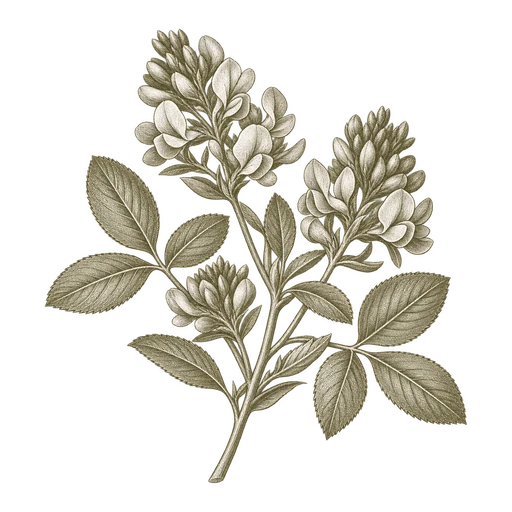
Alfalfa is a forage legume sourced as hay, silage, meal or pellets for livestock feed. Match the form to receiving and ration needs, then compare a lot-specific analysis on a consistent basis.
Explore ingredientAlfalfa meal is ground forage used in animal feed, with sun-cured and dehydrated processing routes and meal or pellet forms. Compare the offered process, physical form and analysis against the needs of the species and feed formulation.
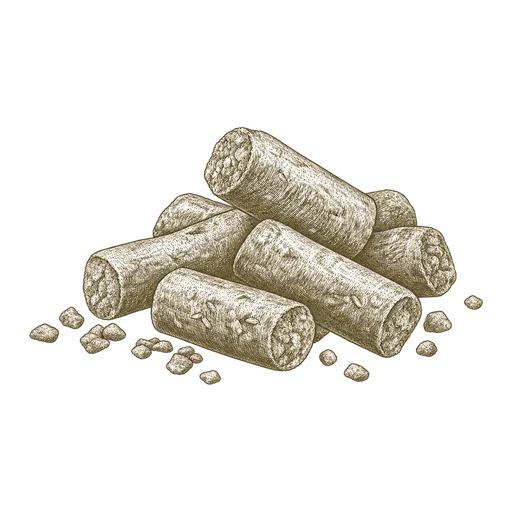
Explore ingredientAlfalfa pellets are ground, compressed forage used in livestock feeding and compound feeds. Compare the drying process, alfalfa material, forage analysis and pellet characteristics to choose a form that fits your ration and receiving setup.
Explore ingredientBeet pulp pellets are a dried, compacted sugar beet co-product used as a fibrous, energy-bearing ingredient in livestock feed. Compare molasses status, lot analysis and pellet handling needs to match the product to your ration and receiving setup.
Explore ingredientFocused guides to the specification, application, and delivery questions behind this ingredient.
Plan bulk white millet receiving around the grain form, order quantity, destination, unloading capability, and storage conditions. Align lot requirements for moisture and cleanliness before delivery.
Read this InsightCompare whole, puffed, cracked and flour forms of white millet by how they enter food production, and treat dehulling as a separate specification for baking and processing.
Read this InsightWhite millet specifications should identify the species and clarify whether the grain is whole and hulled or dehulled. Color, cleanliness and analysis matter differently across food, birdseed and feed uses, so compare lots against requirements written for the intended application.
Read this InsightIn U.S. grain markets, white millet commonly means white-seeded proso millet, but the name alone does not prove species or processing state. Specify the botanical identity and whether the grain is hulled or dehulled.
Proso millet is used as whole, puffed, or cracked grain and as flour. The right form depends on the recipe and manufacturing process; food buyers should also define any dehulling, cleaning, and handling requirements.
Cracking or grinding is common in many livestock feed applications because proso has a hard seed coat. Whether it is needed depends on the animal, ration, and feeding system, so have the form and current analysis evaluated for the intended use.
Send your volume, destination, and key specifications. A broker can follow up with availability and commercial terms.