Grains
Alfalfa
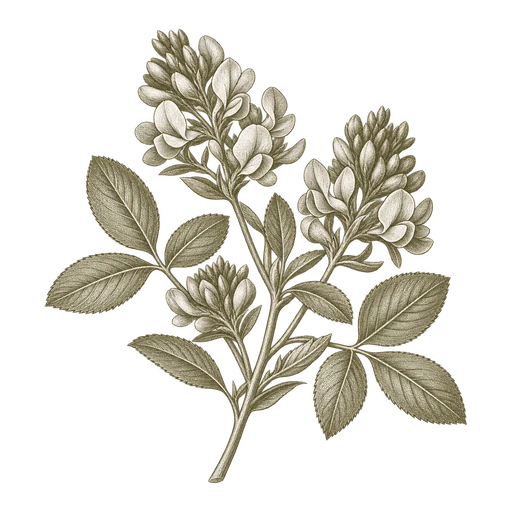
Alfalfa is a forage legume sourced as hay, silage, meal or pellets for livestock feed. Match the form to receiving and ration needs, then compare a lot-specific analysis on a consistent basis.
Explore ingredientCompare whole, puffed, cracked and flour forms of white millet by how they enter food production, and treat dehulling as a separate specification for baking and processing.
White millet can enter a food process as whole kernels, puffed grain, cracked grain or flour. These forms are not interchangeable: each changes how the millet is incorporated, the texture it contributes and the preparation steps needed before use. For a bulk recipe, start with the operation the ingredient must perform rather than treating “millet” as one uniform input.
Whole kernels retain their grain structure. Cracked millet consists of broken kernels, while flour is milled to a powder; puffed millet has been expanded through processing and is used as a light, crisp component. The name of the form does not, by itself, tell you whether the grain has been dehulled. Ask about hull status separately.
Whole white millet fits processes that call for intact kernels, such as cooking the grain before adding it to a prepared food or incorporating cooked kernels for a distinct grain texture. It takes a different route through production than flour: the kernels need to be prepared as a grain rather than dispersed as a dry powder. If the recipe calls for a tender, integrated texture, test the cooking and mixing sequence with the specified form.
Cracked millet has smaller pieces than whole grain, so it can be used where broken grain is appropriate to the desired texture or preparation method. “Cracked” does not specify a uniform particle size. For manufacturing, establish the particle-size range your process can handle and whether the material will be cooked, blended or further milled.
Puffed millet contributes an already-expanded, crisp grain form. It can be incorporated into cereal-style foods, bars or other products where a light, recognizable grain texture is wanted. Its structure differs from raw whole or cracked grain and from flour; a process involving extended mixing or moisture may change the texture. Evaluate it at the point in the recipe where its crispness matters.
White millet flour lets a processor distribute millet through a dough or batter as a milled ingredient. Proso millet flour can be used in flatbread and in blended baked goods, where it contributes grain character alongside other ingredients. Flour fineness affects how readily it disperses and the texture of the finished product, so match the milling specification to the recipe and mixing equipment.
Millet flour does not form the gluten network that supports conventional yeast-leavened bread. It therefore does not make that style of bread on its own. In a blended formula, wheat flour or other structural ingredients can provide functions that millet flour does not; in flatbread, the desired structure and leavening approach differ from a risen loaf. Validate the complete formula rather than assuming a direct one-for-one replacement for wheat flour.
When adjusting a recipe, assess water addition, dough handling and finished texture together. These depend on the flour and the other ingredients in the formulation; a small production trial is more useful than assuming all millet flours behave identically.
A form describes physical size or processing; dehulling describes whether the outer hull has been removed. Whole, cracked or milled grain can therefore require a separate hull-status specification. Do not infer dehulled status from a white color, a flour format or the word “whole.” The distinction matters because hull material changes what enters the recipe and can affect the resulting texture.
For food production, state whether the recipe requires dehulled millet and how that condition should be identified. Also distinguish the ingredient’s physical form from the processing state: for example, a requirement for flour does not establish whether it was milled from dehulled grain. Align the description, quality documents and sample or production test with the recipe’s actual requirement.
A useful purchase description names the form—whole, puffed, cracked or flour—and separately states hull status, particle-size needs where relevant, intended food use, quantity and receiving method. Share any required food-safety, allergen-control or cross-contact procedures with the supplier or broker. A grain’s identity alone does not establish that it was handled under a particular facility program or is suitable for a specific claim.
If the product will be used in a gluten-free recipe, verify the handling and cross-contact controls required for your finished product rather than relying on ingredient identity alone. For flour, consider how the package or bulk delivery connects to your powder-handling equipment; for kernels or puffed grain, consider the receiving and conveying method that preserves the form needed in production. White millet sourcing details and available product options are on the White Millet page.
No. Millet flour does not form the gluten network needed to support conventional yeast-leavened bread on its own. It can be used in blended baked goods, but the other ingredients and formula must provide the structure the recipe needs.
No. Cracked describes broken kernels; dehulled describes removal of the outer hull. Specify both the physical form and hull status when each matters to your process.
Puffed millet is the form associated with an expanded, crisp texture. Test it in the actual mixing and moisture conditions of the recipe, since processing after addition can affect its texture.
Focused guides to the specification, application, and delivery questions behind this ingredient.
Plan bulk white millet receiving around the grain form, order quantity, destination, unloading capability, and storage conditions. Align lot requirements for moisture and cleanliness before delivery.
Read this InsightWhite millet specifications should identify the species and clarify whether the grain is whole and hulled or dehulled. Color, cleanliness and analysis matter differently across food, birdseed and feed uses, so compare lots against requirements written for the intended application.
Read this InsightAlfalfa is a forage legume sourced as hay, silage, meal or pellets for livestock feed. Match the form to receiving and ration needs, then compare a lot-specific analysis on a consistent basis.
Explore ingredientAlfalfa meal is ground forage used in animal feed, with sun-cured and dehydrated processing routes and meal or pellet forms. Compare the offered process, physical form and analysis against the needs of the species and feed formulation.
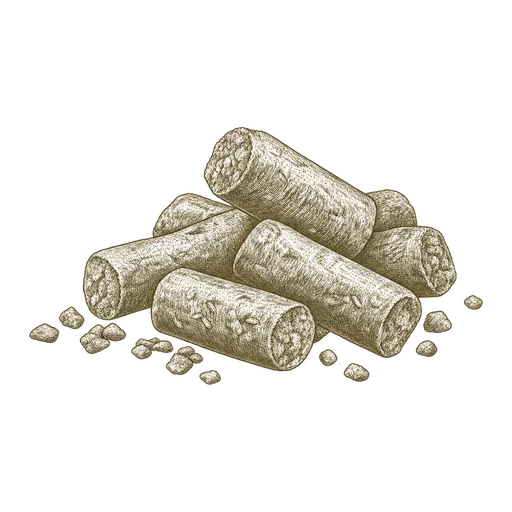
Explore ingredientAlfalfa pellets are ground, compressed forage used in livestock feeding and compound feeds. Compare the drying process, alfalfa material, forage analysis and pellet characteristics to choose a form that fits your ration and receiving setup.
Explore ingredientAlmond hulls are the dried outer layer of the almond fruit, sourced for ruminant feed as hull-only material or as a hull-and-shell mixture. Compare the lot’s composition, physical form, and handling needs before arranging a bulk shipment.
Explore ingredient