Grains
Alfalfa
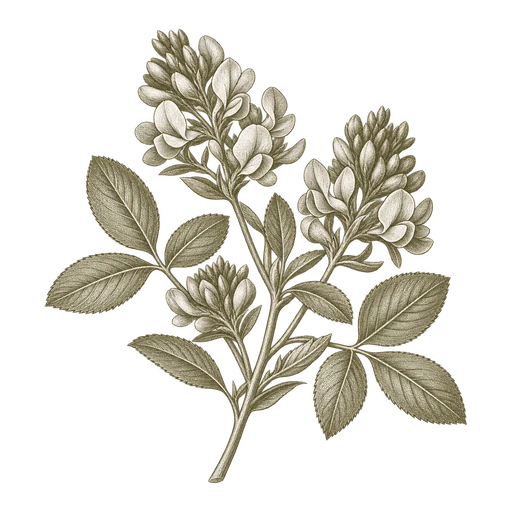
Alfalfa is a forage legume sourced as hay, silage, meal or pellets for livestock feed. Match the form to receiving and ration needs, then compare a lot-specific analysis on a consistent basis.
Explore ingredientWhite millet specifications should identify the species and clarify whether the grain is whole and hulled or dehulled. Color, cleanliness and analysis matter differently across food, birdseed and feed uses, so compare lots against requirements written for the intended application.
White millet usually refers to white-seeded proso millet (Panicum miliaceum). The word “white” describes the seed’s appearance; it is not, by itself, a complete statement of botanical identity or grade. Other millet species, including foxtail millet (Setaria italica), are different crops even when a product description uses a similar color name.
A pale seed lot can be a useful visual clue, but appearance alone is not a dependable species test. For a purchase where species matters, request the product name and botanical identity in the lot documentation. This is especially important when a specification, recipe or feed formulation was developed for proso millet rather than millet generally.
White proso millet may be offered as whole grain with its outer hull intact or as dehulled grain. These are not interchangeable descriptions: dehulling is a processing step that removes the hull, while “white” refers to color. Ask whether the lot is hulled or dehulled and whether it has been further cleaned, split or milled.
Hull status affects what arrives at the plant and how it enters production. A food processor may need dehulled grain for a particular cooking or milling process, while birdseed buyers commonly evaluate whole seed as a finished ingredient. Feed buyers should consider hull status in the context of the complete ration and the intended processing. Do not assume that a sample or analysis for one form describes the other.
Color is a visual quality attribute, but a color description should be specific enough to support the use. Buyers may care about consistent pale seed appearance for a food product, while a birdseed or feed specification may place greater emphasis on identity, sound grain and cleanliness. A color term does not establish purity, processing history or suitability for an end use.
Cleanliness is a separate question. Foreign material, other grains or seeds, damaged kernels, and visible discoloration can affect processing, appearance and the amount of usable material. Agree on which defects or contaminants matter for the application, and ensure that any inspection or analysis describes the lot being offered. A broad label such as “clean” is less useful than a defined measure and test basis.
There is no single quality panel that answers every white millet buyer’s question. Food processors may focus on species identity, hull status, physical cleanliness, appearance and the properties needed for their own cooking, milling or ingredient process. Birdseed buyers may prioritize seed identity, visible condition and consistency with the blend. Feed buyers may need a current nutrient analysis to assess the grain within a formulated ration.
For any reported value, establish the sample or lot it represents, the test method where relevant, and whether results are stated as received or on a dry-matter basis. Moisture, test weight, foreign material and nutrient measures can help compare offers when they are relevant to the use, but a result without its basis can mislead. Microbiological or contaminant testing should be specified when the application or buyer’s quality program calls for it; do not infer that testing occurred from the product name alone.
Set acceptance criteria around the actual process or formulation instead of borrowing limits from a different millet species or product form. A specification written for whole birdseed, for example, may not answer the needs of a dehulled food ingredient.
Before comparing bulk offers, put the product identity, whole or dehulled status, intended use, key visual and cleanliness requirements, and requested analysis into one written description. Ask for lot-specific results and their test basis for the characteristics that determine acceptance. If a sample is part of your approval process, compare it with the same stated requirements and confirm that the eventual lot will be represented by the supplied documentation.
A useful specification makes differences visible instead of relying on labels such as “white,” “food grade” or “clean” without definition. When the desired form and quality questions are clear, visit the White Millet ingredient page to continue sourcing a product that matches your requirements.
White millet commonly refers to white-seeded proso millet, Panicum miliaceum. Because millet is also used for other species, verify the botanical identity when species matters to your process or formulation.
No. White describes seed color, not hull status. Specify whether you need whole grain with the hull intact or dehulled grain, and distinguish either form from split or milled product.
Choose measures according to use. Species identity, hull status, cleanliness and visible condition are common points to define; food, birdseed and feed applications can require different additional checks. For each analytical result, establish the lot represented and the test or reporting basis.
No. Color can describe appearance, but it does not prove botanical identity, hull status, cleanliness or processing history. Use product identity information and relevant lot documentation for those decisions.
Focused guides to the specification, application, and delivery questions behind this ingredient.
Plan bulk white millet receiving around the grain form, order quantity, destination, unloading capability, and storage conditions. Align lot requirements for moisture and cleanliness before delivery.
Read this InsightCompare whole, puffed, cracked and flour forms of white millet by how they enter food production, and treat dehulling as a separate specification for baking and processing.
Read this InsightAlfalfa is a forage legume sourced as hay, silage, meal or pellets for livestock feed. Match the form to receiving and ration needs, then compare a lot-specific analysis on a consistent basis.
Explore ingredientAlfalfa meal is ground forage used in animal feed, with sun-cured and dehydrated processing routes and meal or pellet forms. Compare the offered process, physical form and analysis against the needs of the species and feed formulation.
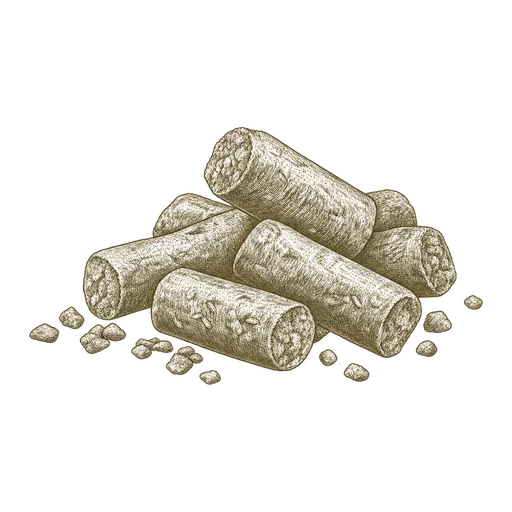
Explore ingredientAlfalfa pellets are ground, compressed forage used in livestock feeding and compound feeds. Compare the drying process, alfalfa material, forage analysis and pellet characteristics to choose a form that fits your ration and receiving setup.
Explore ingredientAlmond hulls are the dried outer layer of the almond fruit, sourced for ruminant feed as hull-only material or as a hull-and-shell mixture. Compare the lot’s composition, physical form, and handling needs before arranging a bulk shipment.
Explore ingredient