Grains
Alfalfa
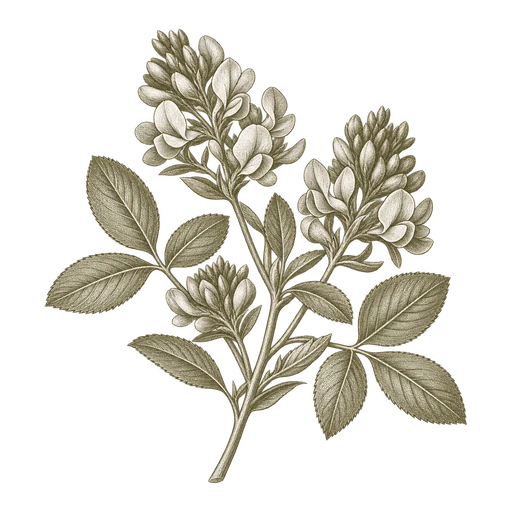
Alfalfa is a forage legume sourced as hay, silage, meal or pellets for livestock feed. Match the form to receiving and ration needs, then compare a lot-specific analysis on a consistent basis.
Explore ingredientPlan bulk white millet receiving around the grain form, order quantity, destination, unloading capability, and storage conditions. Align lot requirements for moisture and cleanliness before delivery.
A workable bulk white millet delivery plan starts by describing exactly what the facility will receive. Specify whole grain or another required form, the quantity, and the unit used for ordering and receiving. If the purchase is tied to a production schedule, state the required delivery window rather than leaving timing implicit.
Product identity and physical form affect how the grain will be used and handled. For a whole-grain order, align the description on the quote and receiving documents with the intended use. If cleanliness, hull status, or another lot characteristic matters to processing, state that requirement before the order is arranged; do not assume those details from the name “white millet.”
Give the destination and the receiving method your facility can actually accept. Explain whether the site expects loose bulk grain or a packaged shipment, and identify relevant unloading equipment, access restrictions, receiving hours, and capacity limits. These details help determine whether a proposed delivery arrangement can be unloaded without disrupting operations.
Packaging and unloading need to be considered together. A facility set up for bulk transfer may not be equipped to handle packaged goods, while a site that relies on a particular unloading method may have limited alternatives. Describe the equipment and procedures available at the destination before agreeing to shipment details. Packaging options, shipment arrangements, and commercial terms depend on the particular offer and must be established for the order.
Moisture is a practical storage concern for white millet: grain received in a condition unsuitable for the planned storage environment can complicate storage management. Set out any moisture requirement that matters to your operation and agree how the delivered lot will be evaluated. Do not use an assumed general limit in place of the requirement appropriate to your process and storage conditions.
Cleanliness matters both at receipt and during handling. Foreign material or residue from previous cargoes can affect the suitability of a lot or create contamination concerns for the receiving operation. Tell the broker what cleanliness criteria apply, how the site handles incoming grain, and whether equipment or storage areas have specific requirements. Keep grain protected from moisture exposure and contamination during unloading and storage; storage duration and conditions depend on the grain’s actual condition and the facility.
Before finalizing a white millet order, align the product description, quality requirements, quantity, destination, packaging or receiving method, and delivery timing. Where a particular lot analysis or inspection document is important, identify the specific information needed and how it will be used. This is more useful than requesting unspecified paperwork after the shipment has been planned.
Also settle practical receiving questions in advance: who can accept the delivery, what unloading equipment is available, how the site will inspect the grain, and where it will be stored after unloading. Resolving these points helps avoid mismatches between the offered lot and the facility’s operating needs. For a sourcing request, use the White Millet page and include these details so the broker can discuss a relevant offer.
State the required grain form, quantity and unit, destination, desired delivery timing, packaging or receiving method, and any lot requirements for moisture or cleanliness. Include unloading equipment and site constraints so the shipment plan can be assessed against the facility’s capabilities.
Yes, when they affect your storage or processing operation. State the requirement and how the delivered lot should be evaluated before the order is arranged. Do not rely on an assumed limit or an undefined request for “clean” grain.
Confirm the delivery destination and receiving window, the compatible unloading method and equipment, available receiving capacity, the incoming-lot checks, and the storage location. Make sure the receiving and storage areas can protect the grain from moisture exposure and contamination.
Focused guides to the specification, application, and delivery questions behind this ingredient.
Compare whole, puffed, cracked and flour forms of white millet by how they enter food production, and treat dehulling as a separate specification for baking and processing.
Read this InsightWhite millet specifications should identify the species and clarify whether the grain is whole and hulled or dehulled. Color, cleanliness and analysis matter differently across food, birdseed and feed uses, so compare lots against requirements written for the intended application.
Read this InsightAlfalfa is a forage legume sourced as hay, silage, meal or pellets for livestock feed. Match the form to receiving and ration needs, then compare a lot-specific analysis on a consistent basis.
Explore ingredientAlfalfa meal is ground forage used in animal feed, with sun-cured and dehydrated processing routes and meal or pellet forms. Compare the offered process, physical form and analysis against the needs of the species and feed formulation.
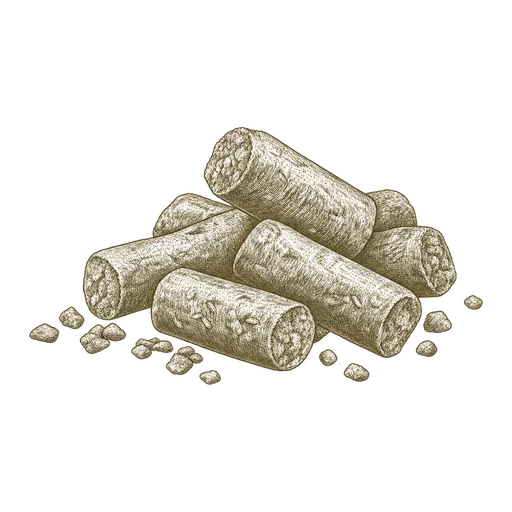
Explore ingredientAlfalfa pellets are ground, compressed forage used in livestock feeding and compound feeds. Compare the drying process, alfalfa material, forage analysis and pellet characteristics to choose a form that fits your ration and receiving setup.
Explore ingredientAlmond hulls are the dried outer layer of the almond fruit, sourced for ruminant feed as hull-only material or as a hull-and-shell mixture. Compare the lot’s composition, physical form, and handling needs before arranging a bulk shipment.
Explore ingredient