Distinct hull and shell content
Shell and woody debris can contribute to fiber and ash results. Identifying whether the material is hull-only or a hull-and-shell mixture helps explain the analysis and the physical product being compared.
Ingredient intelligence · quote-ready sourcing
Also searched as Almond pericarp
Almond hulls are the dried outer layer of the almond fruit, sourced for ruminant feed as hull-only material or as a hull-and-shell mixture. Compare the lot’s composition, physical form, and handling needs before arranging a bulk shipment.

Almond hulls are the dried, fleshy outer layer of the almond fruit. Processing separates this pericarp from the hard shell and kernel; commercial lots can still contain shell pieces or other plant debris.
Buyers may encounter hull-only or hull-and-shell material, in whole or ground form. Composition varies with variety, harvest year, and debris content, so a current analysis of the specific lot is more useful than a generalized nutrient profile.
Shell and woody debris can contribute to fiber and ash results. Identifying whether the material is hull-only or a hull-and-shell mixture helps explain the analysis and the physical product being compared.
Variety and harvest year affect composition, so a current lot analysis gives a more relevant basis for ration comparison than values from another crop or sample.
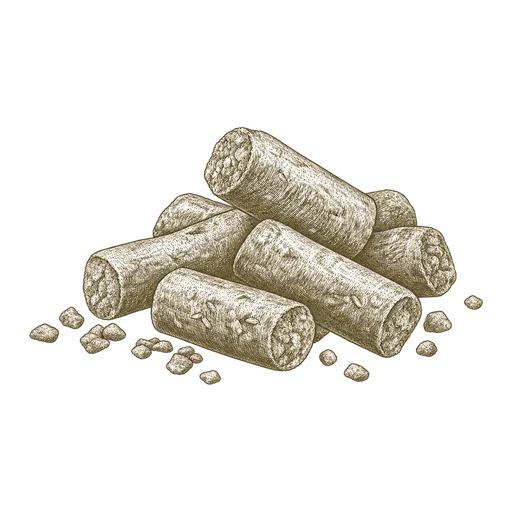
Whole, non-ground hulls and shells have low bulk density. Ground and whole material can differ in particle size and handling, making the offered form relevant to freight, storage space, and conveying.
| Characteristic | Why it matters |
|---|---|
| Hull-only or hull-and-shell | Shell and woody debris can affect fiber, ash, and the material’s identity. |
| Moisture | Provides context for the condition of the dried material and for comparing analysis. |
| Crude fiber and ash | Help describe composition; debris content can influence both results. |
| Soluble sugars, protein, and fat | Contribute to the lot’s feed analysis and comparison for ration formulation. |
| Whole or ground; particle size | Affects physical handling and the fit with storage and conveying equipment. |
| Bulk density | Relevant to freight and storage capacity, particularly for non-ground material. |
Compare current lot results on a stated analytical basis. Published values from other varieties, harvest years, or product mixtures should not be treated as the offered lot’s specification.
Almond hulls are used principally in ruminant feed, including dairy and beef cattle diets; research also addresses small-ruminant feeding. Their fiber and other analyzed nutrients contribute to the ingredient’s role in a formulated ration. A nutritionist should evaluate the specific lot in the context of the complete diet rather than relying on a general description of almond hulls.
Whole, non-ground hulls and shells have low bulk density, which can make long-distance transport difficult and costly. Grinding can change density and particle size, so compare the actual offered form with storage capacity, conveying equipment, and freight requirements rather than assuming all hull products handle alike.
A useful comparison identifies the material as hull-only or hull-and-shell, states whether it is ground, and includes a current lot analysis. Shell and debris content matter both for interpreting fiber and ash and for understanding what is physically being purchased. Particle size and bulk density are relevant when transport, storage volume, or feed handling equipment is a constraint.
Almond hulls are a feed ingredient, but the research basis does not establish a particular lot’s nutrient value, storage life, or suitability for every animal or ration. For a purchase, compare the analysis and physical description with the receiving facility’s needs; price and commercial terms depend on the specific offer and destination.
Almond hulls are used in dairy-cattle feed formulation. Evaluate the offered lot’s analysis as part of the full ration; hull and shell content and nutrient results matter to that assessment.
Research includes almond hulls and shells in beef-cattle diets. The role of a specific lot depends on its analysis, physical form, and the formulation rather than a general inclusion assumption.
Small-ruminant feeding is represented in the research on almond hulls, but that does not establish a universal diet recommendation. Use lot-specific composition in species- and ration-specific formulation.
State whether the requirement is hull-only or hull-and-shell material, and whether it should be whole or ground. Include quantity and unit, destination, timing, and the analysis requirements so the product and freight can be evaluated together.
Describe the receiving equipment, unloading method, and available storage capacity. Whole, non-ground hulls and shells have low bulk density, which can make long-distance transport difficult and costly; the actual form and density matter to the shipment plan.
Keep the dried material protected from moisture and contamination during storage and handling. Identify the facility’s storage arrangement and handling practices when arranging the order; storage life and specific limits are not established for an offered lot.
Alfalfa is a forage legume sourced as hay, silage, meal or pellets for livestock feed. Match the form to receiving and ration needs, then compare a lot-specific analysis on a consistent basis.
Explore ingredientAlfalfa meal is ground forage used in animal feed, with sun-cured and dehydrated processing routes and meal or pellet forms. Compare the offered process, physical form and analysis against the needs of the species and feed formulation.
Explore ingredientAlfalfa pellets are ground, compressed forage used in livestock feeding and compound feeds. Compare the drying process, alfalfa material, forage analysis and pellet characteristics to choose a form that fits your ration and receiving setup.
Explore ingredientBeet pulp pellets are a dried, compacted sugar beet co-product used as a fibrous, energy-bearing ingredient in livestock feed. Compare molasses status, lot analysis and pellet handling needs to match the product to your ration and receiving setup.
Explore ingredientFocused guides to the specification, application, and delivery questions behind this ingredient.
Plan almond hulls freight around the offered form, shipment quantity, destination, unloading setup and usable storage space. Low bulk density in non-ground hulls and shells can make long-distance transport challenging and costly.
Read this InsightAssess almond hulls for cattle rations by matching the lot’s identity, analysis and physical form to the animal class, ration and feed-handling system.
Read this InsightCompare almond hulls and hull-and-shell offers by checking the product description, analysis basis and lot-specific results. Fiber and ash can inform questions about composition but do not prove shell content.
Read this InsightAlmond hulls are used principally as a feed ingredient for ruminants, including dairy and beef cattle. Their role in a ration depends on the lot’s analysis and the complete diet.
Almond hulls are the dried fleshy outer layer of the fruit. A hull-and-shell product also contains hard almond shell material; the amount of shell or other debris can affect the lot’s fiber and ash results. Confirm which material the offer describes.
The product form, hull and shell content, quantity, destination, timing, and receiving requirements all affect a delivered quote. Whole, non-ground material has low bulk density, so freight and space requirements are important considerations.
Send your volume, destination, and key specifications. A broker can follow up with availability and commercial terms.