Grains
Alfalfa
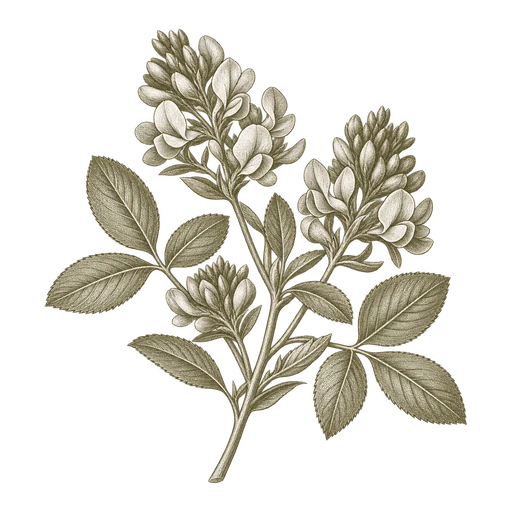
Alfalfa is a forage legume sourced as hay, silage, meal or pellets for livestock feed. Match the form to receiving and ration needs, then compare a lot-specific analysis on a consistent basis.
Explore ingredientPlan almond hulls freight around the offered form, shipment quantity, destination, unloading setup and usable storage space. Low bulk density in non-ground hulls and shells can make long-distance transport challenging and costly.
Freight planning for almond hulls begins with two details: the form being offered and the quantity you intend to receive. Whole or otherwise non-ground hulls and shells have low bulk density, so a shipment can take up substantial space relative to its weight. That can make long-distance movement difficult and costly. Do not assume that grinding changes the freight calculation by a particular amount; compare only the actual form and handling details offered.
When requesting a quote, state the quantity and unit you plan to buy, the delivery destination and the timing you need. Specify whether you are looking for whole or ground almond hulls, and distinguish hulls from a hull-and-shell mixture if that distinction matters to your operation. These details help a broker assess the intended shipment rather than treating all almond co-products as interchangeable.
Describe how material can enter your facility before arranging delivery. For example, explain whether your site receives through a receiving pit, hopper, conveyor or another setup, and identify the equipment used to move product from the unloading point to storage or processing. The relevant question is not simply whether you have equipment, but whether the offered form and packaging can be unloaded and conveyed through it.
Share any site constraints that could affect a delivery appointment or unloading plan: access routes, clearance limits, available unloading space, receiving hours and the time needed to empty a load. State the method your facility can accept, rather than assuming a particular package or shipment mode is available. If a package or transfer method is proposed, verify that it matches your equipment and labor plan before placing the order.
Storage planning should account for the volume the material occupies, not just its weight. Because non-ground hulls and shells have low bulk density, storage capacity measured only as a tonnage limit may not reveal whether your bin, bay or other space can hold the shipment. Compare the space you can actually dedicate with the expected physical form and the quantity being quoted.
Map the route from receiving to storage and from storage to use. Note conveyor types, transfer points, openings and any restrictions on material flow that your facility needs a supplier or broker to consider. Ground and whole forms should be assessed against your actual conveying system; do not presume that one will work better or require less space without specific information about the offered product.
Before delivery, identify a designated storage area and a clear path for moving the material into it. Protect stored agricultural material from rain and avoid contact with substances that could contaminate it. Keep the receiving area clean, and plan how material will be transferred without mixing it unintentionally with other ingredients.
Do not base a storage plan on an assumed shelf life or on a handling feature that has not been confirmed for the offered lot. Ask what product form, packaging and handling details apply, then check that your facility can store and move that material as delivered. Storage conditions and any time-sensitive handling needs should be established for the specific product and operation.
A useful freight inquiry includes the product form, whether shells are present, the quantity and unit, delivery destination, requested timing, unloading equipment, conveying route and available storage capacity. Add receiving hours, access limitations and any package or delivery constraints. This lets the broker assess the order against your facility’s real requirements and identify missing information before a shipment is arranged.
Delivered cost depends in part on the distance and shipment details, while almond hulls’ low bulk density can make long-distance movement challenging and costly. Actual freight terms, packaging, shipment mode and offered product details are supplier-dependent and should be established for the specific quote. To compare forms and discuss sourcing, visit the Almond Hulls page.
Provide the form requested, whether shells are included, quantity and unit, destination and timing. Describe unloading equipment, conveying arrangements, storage capacity, receiving hours and site access limits.
Non-ground hulls and shells have low bulk density, which can make long-distance transport difficult and costly. Do not assume grinding produces a particular density or freight change; compare the actual offered forms and handling details.
Check usable storage volume as well as weight capacity, and confirm that your receiving and conveying systems can handle the offered form. Protect the material from rain and contamination, and establish any lot-specific handling details before delivery.
Focused guides to the specification, application, and delivery questions behind this ingredient.
Assess almond hulls for cattle rations by matching the lot’s identity, analysis and physical form to the animal class, ration and feed-handling system.
Read this InsightCompare almond hulls and hull-and-shell offers by checking the product description, analysis basis and lot-specific results. Fiber and ash can inform questions about composition but do not prove shell content.
Read this InsightAlfalfa is a forage legume sourced as hay, silage, meal or pellets for livestock feed. Match the form to receiving and ration needs, then compare a lot-specific analysis on a consistent basis.
Explore ingredientAlfalfa meal is ground forage used in animal feed, with sun-cured and dehydrated processing routes and meal or pellet forms. Compare the offered process, physical form and analysis against the needs of the species and feed formulation.
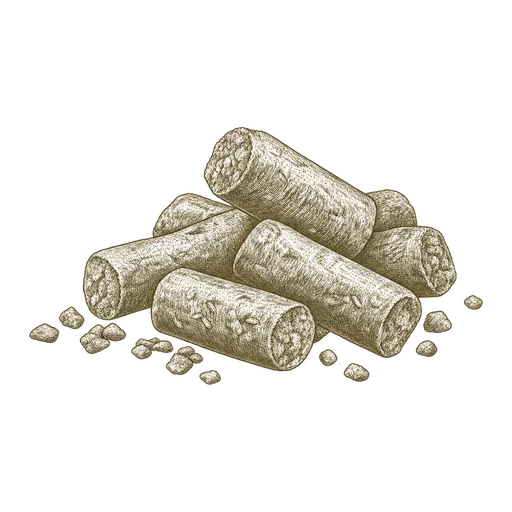
Explore ingredientAlfalfa pellets are ground, compressed forage used in livestock feeding and compound feeds. Compare the drying process, alfalfa material, forage analysis and pellet characteristics to choose a form that fits your ration and receiving setup.
Explore ingredientBeet molasses is a viscous, sugar-rich by-product used in animal feed for energy, palatability, binding and dust control. Compare the product stream and analysis, then match liquid handling and receiving plans to your facility.
Explore ingredient