Dried Fruits
Raspberries
Bulk raspberries can mean frozen whole fruit or a distinct processing by-product such as raspberry pomace. Identify the form first, then compare quality criteria or analysis suited to its intended use.
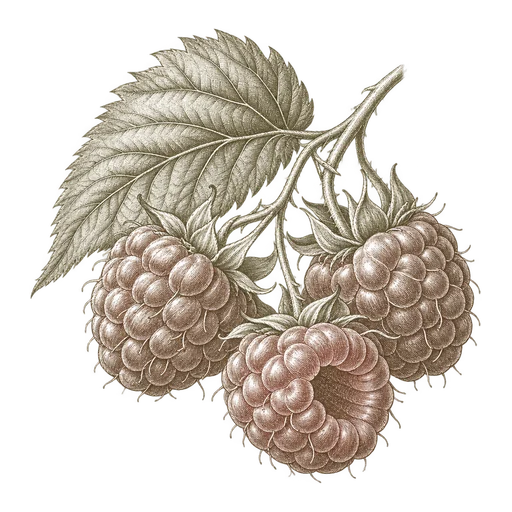
Explore ingredientFruit processing and formulation covers how fruit form changes its role in a food product. This topic collection is represented by raspberries: a useful example for comparing frozen pieces, block-frozen fruit, purée, and juice products, and for seeing why bulk specifications should name the intended form.
Bulk raspberries can mean frozen whole fruit or a distinct processing by-product such as raspberry pomace. Identify the form first, then compare quality criteria or analysis suited to its intended use.
Explore ingredientRaspberries can be processed as IQF whole berries or pieces, block-frozen fruit, purée, juice, or juice concentrate. IQF preserves pieces for formulations where visible fruit matters; block-frozen fruit is less suited when intact, individually frozen pieces are needed. Purée supplies fruit flavor and texture without the structure of whole berries, while juice concentrate is a liquid ingredient with water removed.
These forms are not interchangeable by weight alone. Their physical structure and concentration affect how they contribute to a formulation, so substitution should be assessed in a product trial.
For frozen fruit, state IQF or block-frozen and describe the required piece condition or whole-to-broken proportions. For purée, specify seed content, sweetness, consistency, and whether it is frozen, aseptically packed, pasteurized, or concentrated. For juice products, distinguish single-strength juice from concentrate and identify the basis used for concentration or solids.
Do not assume purée is seedless or has no added sugar or water. Confirm the ingredient statement and relevant analytical basis, such as °Brix. Frozen-fruit grade descriptions can help communicate attributes such as color, defects, character, flavor, and odor, but they do not replace a product-specific specification.
Packaging and storage requirements depend on the form and processing. Confirm the lot’s packaging, storage conditions, and handling directions. For a bulk purchase, align those details and the product specification with the intended use before comparing offers; commercial terms and quality criteria should be evaluated for the specific lot.
No. Seed content can vary, so specify whether you need seedless purée, purée with some seeds, or purée with seeds.
Identify IQF or block-frozen fruit and describe the required piece condition or whole-to-broken proportions. Include applicable quality criteria and handling requirements.
Not necessarily. Purée does not provide the same pieces or structure as IQF fruit. Check the effect on the finished product through a formulation trial.
State whether you need single-strength juice or concentrate and confirm the concentration or solids basis. Concentrate has water removed, so the forms do not contribute identically to a recipe.
Focused guides to the specification, application, and delivery questions behind this ingredient.
Plan a bulk frozen-raspberry order around your site's frozen-storage capacity, receiving setup, packaging constraints, delivery timing and lot-specific handling information. Review food-safety documentation separately from grade or appearance.
Read this InsightThe right quality questions for frozen raspberries depend on whether the fruit will be presented directly or used in manufacturing. Compare appearance, condition, flavor, and odor against a clearly defined specification—not an unexplained grade label.
Read this InsightCompare raspberry pomace analyses by matching the residue, processing history and reporting basis before interpreting moisture, protein, fat, fiber, ash or particle-size results.
Read this Insight