Fruit ingredients can arrive as whole produce, frozen fruit, dried pieces or powders, and those forms are not governed by one shared specification. This collection covers cranberry powder, peaches, plums, prunes and raspberries; the supplied names alone do not identify processing method, variety, composition or condition. Buyers should first establish exactly what the offered ingredient is, then compare attributes that fit its form and intended use. A moisture target for dried fruit, for example
Cranberry powder may be ground whole fruit, dried juice pomace or a pomace extract, and those forms differ in composition and use. Compare ingredient declarations, processing and relevant quality measures before choosing a bulk product for a food formulation.
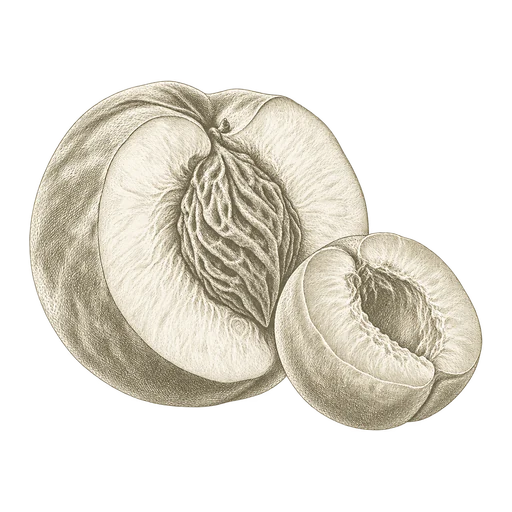
Peaches are sourced as fresh fruit and in processed forms including canned pieces, purée, juice and dried product. Identify the exact form and intended use; pomace, peel, stone and seed are separate processing materials with different composition and handling considerations.
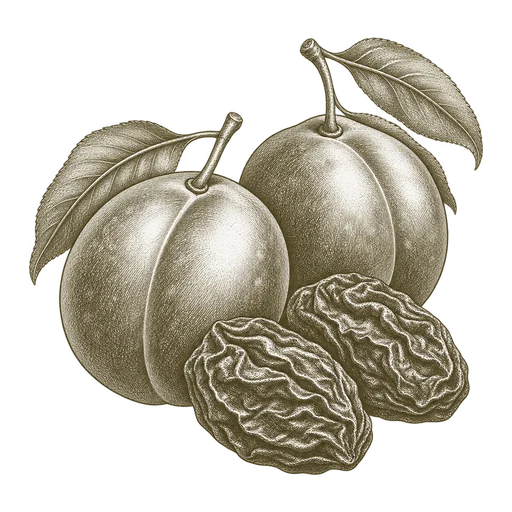
Plums are sourced fresh or as dried whole fruit, pieces and puree for food uses. Choose the form around the recipe and production process, then compare the quality measures that apply to that specific product.
Prunes are dried European plum fruit supplied whole or in ingredient forms such as diced pieces, paste, puree, concentrate and powder. Compare style, moisture, size, ingredients and handling characteristics against the needs of your food process.
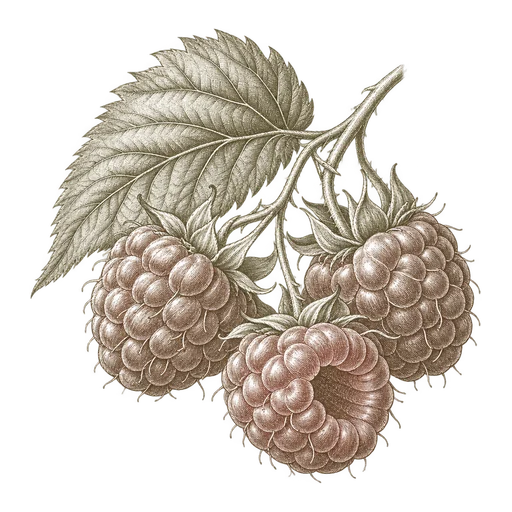
Bulk raspberries can mean frozen whole fruit or a distinct processing by-product such as raspberry pomace. Identify the form first, then compare quality criteria or analysis suited to its intended use.
This collection brings together cranberry powder, peaches, plums, prunes and raspberries. It is not a single specification class: the names do not establish whether an item is fresh, frozen, dried, powdered or otherwise processed. Confirm the actual form and ingredient identity before comparing offers.
Prunes generally refer to dried plums, so they should not be treated as interchangeable with fresh plums in a purchase specification. Cranberry powder also needs clarification: it may be whole-fruit, juice-derived or extract-based, and the name alone does not disclose carriers or other ingredients.
Match quality measures to the product
For dried fruit and powders, compare moisture and water activity as separate measures. Moisture indicates total water; water activity reflects water available in the product. Ask for the test method, conditions and lot results when these measures matter to storage or processing.
Specifications should also describe the relevant form and cut or particle size, color, flavor, texture, defects and foreign material. For fruit pieces, clarify pit, seed or stem tolerances; for powders, check particle size and the full ingredient declaration. Frozen raspberries require criteria suited to frozen product rather than dried-fruit measures.
Plan for use and bulk handling
Fruit pieces may be considered for bakery, cereal or snack inclusions, while powders can suit dry blends; actual fit depends on the product’s composition and performance in the buyer’s process. Confirm labeling and food-safety requirements alongside sensory and processing needs.
For dried forms, packaging that limits moisture exposure and suitable storage conditions help protect product quality. Before purchase, align the specification with the intended application, packaging, shelf-life basis and receiving conditions. Verify commercial terms and lot-specific documents for the particular offer.
Common questions.
What forms are included in this fruit ingredient collection?+
It includes cranberry powder, peaches, plums, prunes and raspberries, but the names do not establish whether each item is fresh, frozen, dried or processed in another form. Confirm the offered form.
Does cranberry powder necessarily contain the whole fruit?+
No. Confirm whether it is whole-fruit, juice-derived or extract-based, and review the complete ingredient declaration for carriers or other added ingredients.
Are plums and prunes the same for specification purposes?+
No. Prunes generally refer to dried plums. Specify whether the item is fresh or dried, and clarify pit status, cut, moisture and any added ingredients.
Why ask for both moisture and water activity?+
They measure different properties: moisture is total water, while water activity reflects water available in the product. When relevant, request lot results and the method and conditions used.
Fruit ingredient specifications · BUYER INSIGHTS
Go deeper before you source.
Focused guides to the specification, application, and delivery questions behind this ingredient.