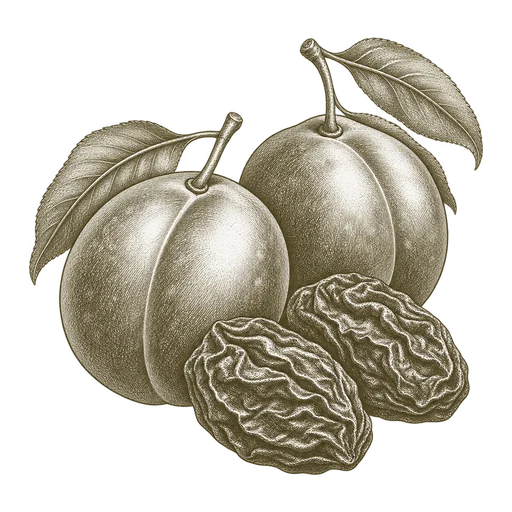
Dried Fruits
Plums
Plums are sourced fresh or as dried whole fruit, pieces and puree for food uses. Choose the form around the recipe and production process, then compare the quality measures that apply to that specific product.
Explore ingredientA buyer-focused overview of plum and prune bulk ingredients, their processed forms, and the product details to compare for intended use.
Plums are sourced fresh or as dried whole fruit, pieces and puree for food uses. Choose the form around the recipe and production process, then compare the quality measures that apply to that specific product.
Explore ingredientPrunes are dried European plum fruit supplied whole or in ingredient forms such as diced pieces, paste, puree, concentrate and powder. Compare style, moisture, size, ingredients and handling characteristics against the needs of your food process.
Explore ingredientThis collection brings together plums and prunes, with prunes representing the dried form of plum. “Plums” alone does not identify whether the product is fresh, dried, pureed, or otherwise processed, so buyers should confirm the actual product form rather than rely on the ingredient name or collection label.
Dried plums can be supplied in forms such as whole fruit, pitted fruit, pieces, or puree. Those forms suit different processes: whole fruit retains its shape, pieces provide fruit inclusions, and puree is a paste-like ingredient. The best comparison starts with the form your equipment and recipe can use.
Moisture, size, and physical condition are not interchangeable comparison points across all plum products. For example, a whole dried fruit and a piece or puree have different handling and specification considerations. Compare moisture results only between like forms and with the test method identified.
For whole or cut dried fruit, clarify size or piece dimensions, whether fruit is pitted, and the stated tolerance for pits or fragments. For puree, review relevant measures such as Brix, pH, and consistency. These are product-specific buying questions, not universal limits; use the offered product specification to determine whether a lot fits your process.
Before comparing bulk offers, establish whether the application needs fresh fruit, dried whole fruit, pieces, or puree. Also review any coating or added preservative that could affect formulation. Food-use specifications should not be assumed to establish suitability for animal feed or pet food; those applications require an intended-use review and relevant nutrition and compliance checks.
No. Prunes are dried plums, while “plums” does not specify whether the product is fresh, dried, pureed, or another form.
Confirm whether the offer is whole, pitted, cut into pieces, or puree, then compare it with the form your process requires.
Compare moisture results for like product forms and check the test method. Whole fruit, pieces, and puree can have different specification considerations.
Not necessarily. Ask for the product’s stated pit and pit-fragment tolerance and how it is assessed.
Focused guides to the specification, application, and delivery questions behind this ingredient.
Plan bulk prune receiving around the form and packaging actually offered, your facility’s unloading capabilities, and lot-specific storage directions. Use this checklist to prepare a suitable receiving and handling plan.
Read this InsightCompare prune paste and puree for baked goods by looking beyond the name: moisture, fruit solids and texture affect mixing, formula balance and the finished product. Use product details and controlled trials to choose the form that fits your recipe and process.
Read this InsightA practical comparison of whole-fruit style, size convention, grade, defects and moisture basis for bulk prunes, including how to distinguish ordinary dried fruit from separately specified low-moisture product.
Read this InsightPlan bulk plum receiving around the exact product form, quantity, packaging, unloading method and destination. Storage instructions should match the plums’ moisture, packaging and preservation treatment.
Read this InsightCompare plum puree and pieces by their role in a recipe, the preparation and process each requires, and the specifications food manufacturers should define before sourcing.
Read this InsightA practical guide to comparing bulk dried plum specifications by form, grade, size, moisture basis, defects, pit fragments and treatment.
Read this Insight