Independent sourcing. Better connections.Commercial buyers · Bulk ingredients
tag

Fruit

The Fruit collection currently includes Pears. Compare the exact fruit form, processing and intended use, since dried pears, pear pulp and pomace are distinct materials with different purchasing considerations.

1 ingredients3 published Insights
EXPLORE THE COLLECTION

Fruit ingredients

Dried Fruits

Pears

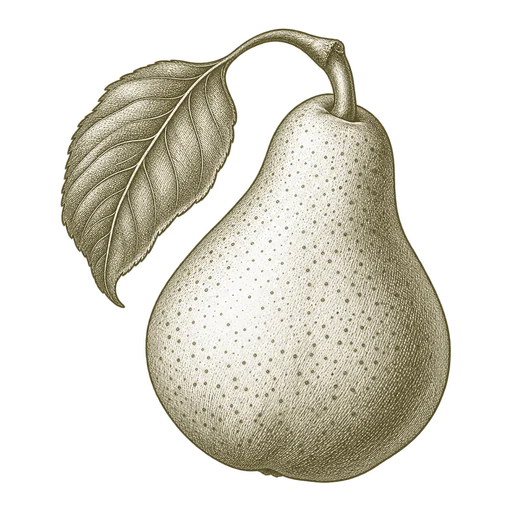
Pears are sourced as whole fresh fruit and as distinct processing products such as pulp, pomace and silage. Identify the form and intended use first: fresh-fruit maturity and handling requirements differ from feed-by-product analysis, receiving and storage needs.

Explore ingredient

Fruit ingredients in this collection

This Fruit collection currently has one supplied member: Pears. The tag identifies a fruit-related ingredient, but it does not establish whether a particular offering is fresh, dried, processed or a by-product, and it does not imply that every form is available. Start with the exact product identity and intended market before comparing lots.

Form matters: dried pears are not interchangeable with pear pulp or pomace. Pomace is the fruit material separated during juice processing, and it may be further washed, dried, ground or ensiled. Those processing steps affect how buyers assess and use the material.

Match the form to its intended use

For human-food use, confirm the cut and preparation, moisture specification, whether the pears are cored, and whether sulfite treatment was used. Grade or inspection criteria matter only when the transaction explicitly applies them; the word “pears” alone does not indicate a grade.

For pomace or pulp, establish the source process and whether the material is wet, dried, ground or ensiled. Food-ingredient research on a prepared pear-pomace flour does not set a universal composition or prove that other pomace lots are suitable for the same use. Likewise, feed findings for processed or ensiled pomace do not establish the value of dried fruit or unsiloed material.

Compare lots on relevant details

For a bulk purchase, compare product form, processing history and intended-use documentation. Depending on the use, request lot-specific moisture or dry matter, composition, particle size, defects and foreign-material details. For feed applications, assess the material in the context of the target species and ration; do not treat food-grade pear products as feed ingredients by default. Confirm packaging, storage conditions and shelf life for the offered lot.

Common questions.

Does the Pears listing identify fresh fruit, dried pears or pomace?+

No. Confirm the offered form and product specification; the collection tag alone does not identify processing or intended use.

What distinguishes pear pomace from dried pears?+

Dried pears are fruit prepared by removing most moisture. Pear pomace is material separated during juice processing and may be further processed, including by drying, grinding or ensiling.

What details should I compare for bulk pear ingredients?+

Compare form, processing history, intended-use documentation and relevant lot-specific measures such as moisture, composition, particle size, defects or foreign material.

Can pear pomace automatically be used in livestock feed?+

No. Suitability depends on the material's form and analysis and on the ration and target species. Evidence for processed or ensiled pomace should not be generalized to every pear product.

Fruit · BUYER INSIGHTS

Go deeper before you source.

Focused guides to the specification, application, and delivery questions behind this ingredient.