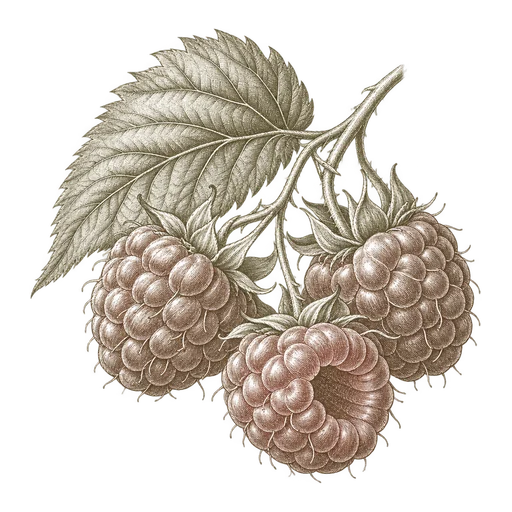
Dried Fruits
Raspberries
Bulk raspberries can mean frozen whole fruit or a distinct processing by-product such as raspberry pomace. Identify the form first, then compare quality criteria or analysis suited to its intended use.
Explore ingredientThis collection is currently represented by Raspberries. Its processing-by-product context centers on raspberry pomace, a variable residue that can differ by composition and processing. Buyers should identify the actual form and verify lot-specific documentation before evaluating it for food or feed use.
Bulk raspberries can mean frozen whole fruit or a distinct processing by-product such as raspberry pomace. Identify the form first, then compare quality criteria or analysis suited to its intended use.
Explore ingredientThis collection is currently represented by Raspberries. The relevant processing-residue example in the editorial evidence is raspberry pomace, a solid material commonly left after juice pressing. Pomace may contain seeds, skins and residual pulp, so the name alone does not establish a uniform composition.
The collection is intentionally narrow: one supplied member does not support comparisons among different fruit residues. Raspberry fruit and raspberry pomace are also distinct materials; the supplied ingredient listing should not be read as a guarantee that pomace is available.
Processing changes what a buyer receives. Whole or dried pomace, milled material, deoiled pomace and extracted fiber are different forms, not interchangeable names. Some research materials also included other ingredients, making process history and an accurate ingredient declaration important when qualifying a lot.
Raspberry pomace has been studied as a fiber ingredient in cookie formulation, while feed research is specific to tested materials and animals. Milling improved measured digestibility in one pig study, but that result does not establish performance for other species or uses. For food or feed formulation, match the product form and documentation to the intended application rather than relying on a general by-product label.
Confirm whether the offer is whole pomace, a milled or dried form, a separated fraction, or a blend. Review lot-specific moisture, particle size, fiber and nutrient results, including analytical methods and whether values are reported as received or on a dry-matter basis. Also verify intended-use documentation and the supplier’s handling and storage instructions.
No. Pomace can include seeds and residual pulp or skins; seed meal refers to a more specific fraction or processing form. Confirm the offered material’s identity and process.
Research has examined cookie formulation and pig diets, but suitability depends on the specific product, intended use and lot documentation. Pig findings should not be generalized to other animals.
Compare the material’s identity, processing and drying history, moisture, particle size, fiber and nutrient analyses, reporting basis, and documented handling requirements.
Milling improved measured digestibility in one pig study. That finding is specific to the tested material and context; it does not establish a general benefit across uses or species.
Focused guides to the specification, application, and delivery questions behind this ingredient.
Plan a bulk frozen-raspberry order around your site's frozen-storage capacity, receiving setup, packaging constraints, delivery timing and lot-specific handling information. Review food-safety documentation separately from grade or appearance.
Read this InsightThe right quality questions for frozen raspberries depend on whether the fruit will be presented directly or used in manufacturing. Compare appearance, condition, flavor, and odor against a clearly defined specification—not an unexplained grade label.
Read this InsightCompare raspberry pomace analyses by matching the residue, processing history and reporting basis before interpreting moisture, protein, fat, fiber, ash or particle-size results.
Read this Insight