
Receiving and storing bulk flaxseed
Prepare for bulk flaxseed delivery by aligning packaging and unloading with your facility, reviewing lot condition and arranging clean, appropriate storage.
Read the guide
Practical guides to ingredients, specifications, and the questions worth asking before you buy.
Better ingredients.
Better questions.
Stronger connections.
Prepare for bulk flaxseed delivery by aligning packaging and unloading with your facility, reviewing lot condition and arranging clean, appropriate storage.
Read the guideSorghum grade describes physical lot characteristics under a grading system; feed analysis, tannin results and mycotoxin tests answer separate questions. Compare each against the requirements of the intended purchase.
Read the guideVerify peanut type and grade scope before comparing Fancy Inshells. Learn what Fancy Hand Picked identifies—and why lot-specific moisture, safety, and nutrition results require separate records.
Read the guideA practical receiving and storage plan for bulk raw peanut pickouts, covering order details, packaging fit, unloading, moisture protection, pest management and cross-contamination controls.
Read the guideFine sunflower chips bring kernel pieces rather than whole seed into a wild-bird blend. Compare their particle-size profile and offered analysis with the blend’s texture, handling and production needs.
Read the guideMeat and bone meal can contribute protein, calcium and phosphorus to swine diets. Its fit depends on the actual ingredient analysis, amino-acid availability, animal group and mineral balance of the complete ration.
Read the guideSoy protein isolate can support oil-in-water emulsions when it hydrates and disperses under the formulation’s conditions. Learn why process, formulation and target-food testing matter before comparing grades for bulk use.
Read the guideA practical shipment-planning guide to specifying bulk mustard seed or meal, coordinating packaging and unloading, and preparing suitable storage.
Read the guidePlan a bulk hemp delivery around its exact form, facility receiving setup and product-specific handling instructions.
Read the guideCompare milo’s moisture, test weight, kernel condition and foreign material as distinct quality factors, then assess feed-value analysis separately. Consistent methods and representative sampling make lot comparisons more useful.
Read the guideWhole peanut hulls can add bulky fibrous material to cattle rations, but their low energy and protein content—and the difference between whole, ground and pelleted forms—make full-ration evaluation essential.
Read the guide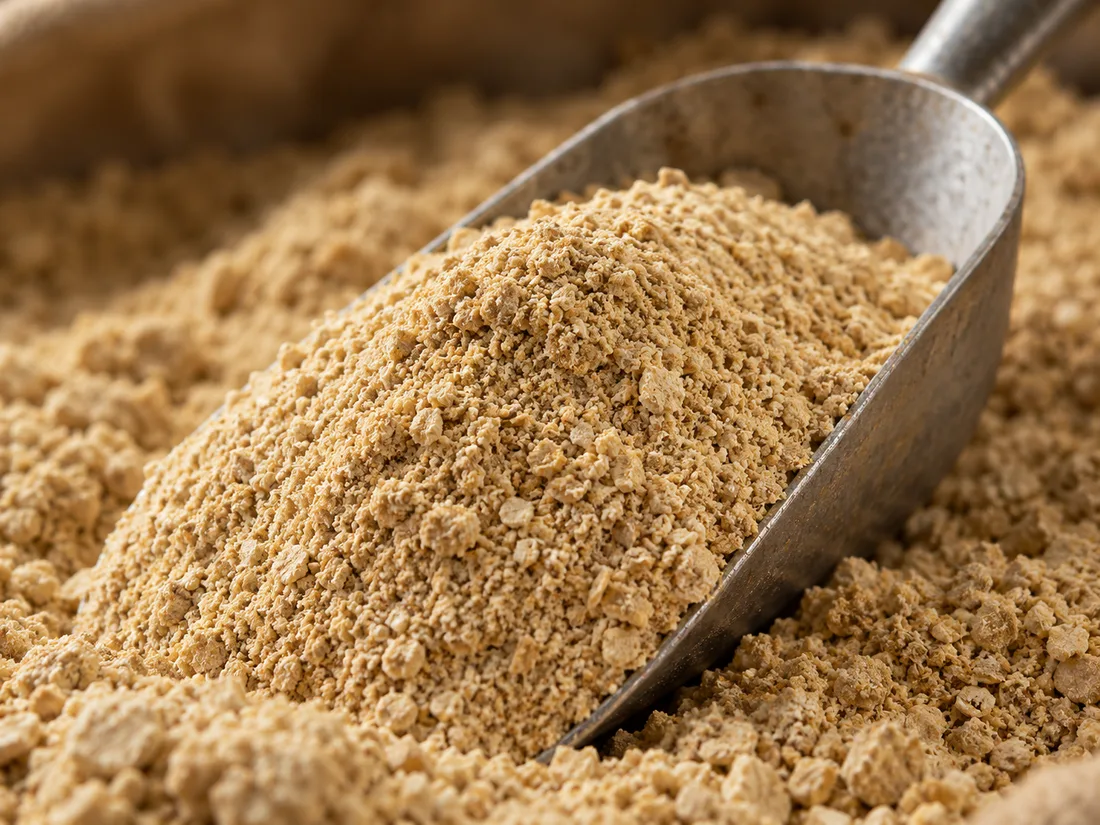
A practical guide to comparing dried distillers grains analyses on a consistent basis, with attention to product identity, moisture, nutrients, minerals and relevant testing.
Read the guideExplore ingredient specifications or share your volume, delivery needs, and buying requirements.