
How to compare tuna meal quality analysis
Compare tuna meal lots on a like-for-like analytical basis, then use lot-specific evidence on oxidation, nutrition, hygiene and contaminants to judge fit for your specification.
Read the guidePractical guides to ingredients, specifications, and the questions worth asking before you buy.
Better ingredients.
Better questions.
Stronger connections.
Compare tuna meal lots on a like-for-like analytical basis, then use lot-specific evidence on oxidation, nutrition, hygiene and contaminants to judge fit for your specification.
Read the guideChoose whole or cut oat groats according to the next operation in your food process. Define particle form and heat-treatment history as separate requirements, and distinguish groats from rolled oats and flour when specifying an ingredient.
Read the guide
Plan a pork meal order around your facility’s quantity, receiving equipment, acceptable product form and storage conditions. Request lot-specific moisture and handling information before arranging delivery.
Read the guideBefore arranging whey permeate delivery, match the offered form and packaging to your receiving equipment, storage capacity and site schedule. Confirm handling guidance and shipment documents for the specific product before dispatch.
Read the guidePlan bulk kidney bean receiving by matching the offered form and packaging to your unloading setup, then protect the beans in a cool, clean, dry storage area off the floor.
Read the guideWhite millet specifications should identify the species and clarify whether the grain is whole and hulled or dehulled. Color, cleanliness and analysis matter differently across food, birdseed and feed uses, so compare lots against requirements written for the intended application.
Read the guideCompare poppy meal and pressed cake by confirming the extraction process, checking key analysis fields, and aligning moisture basis before interpreting results.
Read the guidePlan pea screenings receiving around the offered form, particle variation, fines, facility equipment, packaging and moisture protection. Verify the lot’s condition and handling guidance rather than relying on whole-pea assumptions.
Read the guideA practical coordination guide for bulk lactose orders, covering product identification, packaging, receiving readiness, protected storage and shipment documentation.
Read the guideCrude protein is only one part of a useful blood meal feed analysis. Compare amino-acid data, digestibility context, moisture, ash and fat on a consistent basis, and tie results to the product lot, method and source information.
Read the guide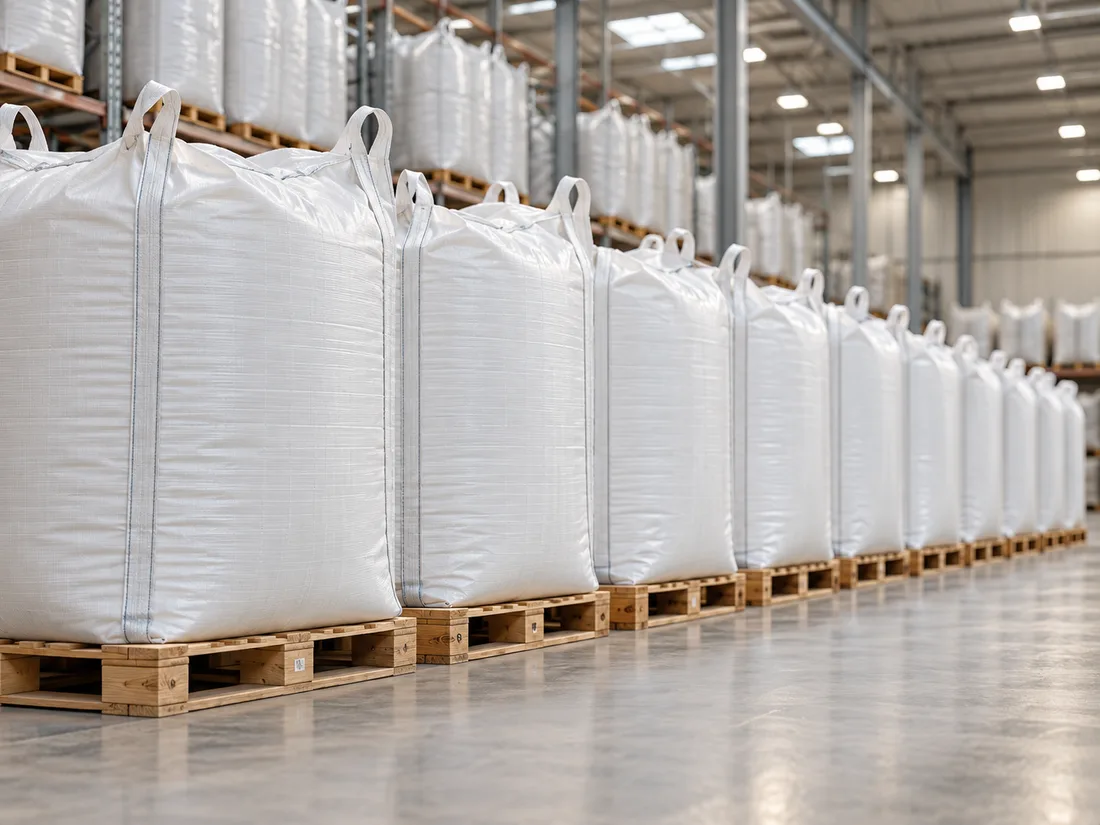
Prepare to receive roasted peanut hearts by matching shipment details to your facility, inspecting package condition and lot records, and protecting kernels from moisture and pests. Obtain storage guidance for the specific lot.
Read the guideWhole black-oil sunflower seed and sunflower meal contribute different nutrient balances to a feed formula. Learn what distinguishes the forms and which analysis helps a nutritionist evaluate the complete ration.
Read the guideExplore ingredient specifications or share your volume, delivery needs, and buying requirements.