Grains
Alfalfa
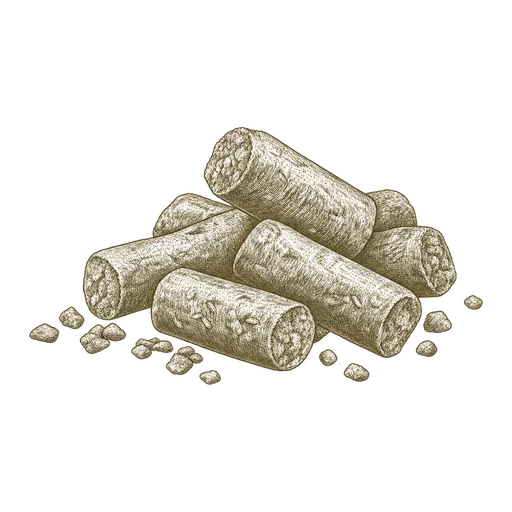
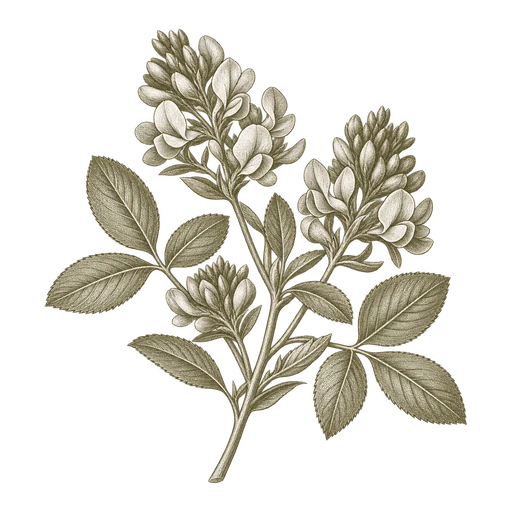
Alfalfa is a forage legume sourced as hay, silage, meal or pellets for livestock feed. Match the form to receiving and ration needs, then compare a lot-specific analysis on a consistent basis.
Explore ingredientPlan pea screenings receiving around the offered form, particle variation, fines, facility equipment, packaging and moisture protection. Verify the lot’s condition and handling guidance rather than relying on whole-pea assumptions.
Receiving pea screenings calls for a different check than receiving a uniform load of whole peas. Screenings can vary in particle size and include fines; some offers may also be processed into different forms. Those differences can affect how material discharges, moves through conveyors and enters a mixer. Do not assume that equipment or storage practices used for whole peas will work unchanged.
Before arranging delivery, establish what the offered lot physically looks like and how it is expected to behave during handling. Ask about its form, particle-size variability and fines, and request the available lot information or handling guidance. The purpose is practical: to compare the material with your actual unloading and transfer path, not to rely on the ingredient name alone.
Start with the receiving point. Identify whether your site receives material in bulk or in packages, and describe the unloading method your facility can accommodate. If unloading requires a specific connection, equipment arrangement or transfer step, include that in the planning conversation. The shipment arrangement has to work with the facility you have, rather than an assumed standard receiving setup.
Trace the route from unloading to storage and then to the point of use. Consider each conveyor, hopper or other transfer stage where variable particles and fines might behave differently from whole peas. Ask the supplier or broker for handling guidance tied to the actual offered form. Avoid assuming a particular flow pattern or equipment compatibility without that information.
A mixture of particle sizes is a receiving and process consideration because it may move differently through equipment than a more uniform material. Fines can also be relevant at transfer points and during mixing. The practical question is whether your system can unload and move the offered screenings consistently, and whether the ingredient can be introduced into your process in the form supplied.
Review the route for restrictions, changeovers and points where material can collect or separate. If your mixer or conveying system is designed around whole peas or another consistent particle form, do not treat that as proof it will handle screenings the same way. Share the intended equipment path when asking for a quote or handling details, and evaluate the lot’s physical condition before committing it to a process that depends on predictable flow.
Packaging affects how a load is unloaded, moved within the facility and protected after receipt. State the packaging arrangement your site can handle and the equipment available to move it. If you depend on bulk unloading, or instead need packaged material for internal handling, make that requirement explicit. Packaging availability is supplier-dependent, so do not plan around an option until it is confirmed for the offer.
Also check that the receiving area and storage location can accommodate the proposed arrangement without exposing the ingredient to water, residue from previous materials or other contamination. Keep the intended use and any separation requirements in view when assigning storage space. A clear plan from delivery point to storage reduces the risk of discovering too late that the material cannot be handled as expected.
Moisture management and contamination protection belong in the receiving plan. Keep screenings protected from wet conditions and from contact with unrelated materials, and follow handling guidance provided for the specific lot. Do not infer a storage life or storage limit from whole peas: screenings may differ in form and condition, and the supplied information should govern how the lot is managed.
At receipt, compare the delivered material and its identifying information with the purchase details, and note any visible condition concerns before moving it into storage or production. If a quality requirement matters to your process, define it in advance and establish how it will be assessed for the offered lot. Exact condition and handling instructions are lot-dependent.
Once your facility’s unloading, conveying and storage needs are clear, review the [pea screenings] ingredient page as the starting point for sourcing discussions. Include your required form, quantity, destination, receiving method and any relevant quality criteria so a broker can address the right shipment arrangement.
Not automatically. Screenings can have variable particle size and fines, so evaluate the actual offered form against your unloading, conveying and mixing equipment. Request handling guidance for the lot rather than transferring assumptions from whole peas.
Describe the packaging or bulk receiving arrangement your facility can handle, along with the equipment available for unloading and internal movement. Packaging options depend on the offer, so confirm the arrangement before planning a delivery.
Protect the material from moisture and contamination, and follow handling guidance for the specific lot. Do not assume whole-pea storage limits or shelf life apply to screenings; verify the supplied lot’s condition and instructions.
Focused guides to the specification, application, and delivery questions behind this ingredient.
A lot-specific framework for evaluating pea screenings in swine rations, from sample inspection and nutrient results to animal class, foreign material and whole-diet balance.
Read this InsightCompare pea screenings nutrient results on a consistent reporting basis, interpret energy methods carefully, and look beyond grade names to understand the lot’s pea and foreign-material fractions.
Read this InsightAlfalfa is a forage legume sourced as hay, silage, meal or pellets for livestock feed. Match the form to receiving and ration needs, then compare a lot-specific analysis on a consistent basis.
Explore ingredientAlfalfa meal is ground forage used in animal feed, with sun-cured and dehydrated processing routes and meal or pellet forms. Compare the offered process, physical form and analysis against the needs of the species and feed formulation.
Explore ingredientAlfalfa pellets are ground, compressed forage used in livestock feeding and compound feeds. Compare the drying process, alfalfa material, forage analysis and pellet characteristics to choose a form that fits your ration and receiving setup.
Explore ingredientAlmond hulls are the dried outer layer of the almond fruit, sourced for ruminant feed as hull-only material or as a hull-and-shell mixture. Compare the lot’s composition, physical form, and handling needs before arranging a bulk shipment.
Explore ingredient