Grains
Alfalfa
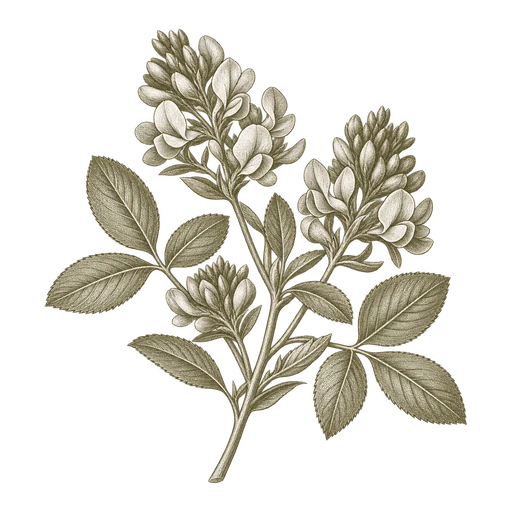
Alfalfa is a forage legume sourced as hay, silage, meal or pellets for livestock feed. Match the form to receiving and ration needs, then compare a lot-specific analysis on a consistent basis.
Explore ingredientPlan a pork meal order around your facility’s quantity, receiving equipment, acceptable product form and storage conditions. Request lot-specific moisture and handling information before arranging delivery.
A bulk pork meal order is easier to evaluate when the delivery plan starts with the receiving facility, not an assumed standard package or load. Before requesting a quote, establish how much product you need, how that quantity will be measured, where it must be delivered and when the site can receive it. Quantity and unit matter because they shape the order request; destination and timing help define the delivery requirements.
Then describe what the site can actually accept. Identify whether receiving is set up for a bulk delivery, packaged product or another offered form, and state the unloading equipment and connection or access constraints that matter. A facility with limited receiving options may need a different offered form than a site equipped to unload bulk material. Packaging and delivery arrangements depend on the specific offer, so do not plan around an assumed bag size, load weight or transport method.
Pork meal is a particulate meal ingredient, so particle characteristics can affect how material moves through receiving and conveying equipment. Ask what form is being offered and whether particle size or flow characteristics are available for review. These details can help your operations team assess compatibility with the receiving system, transfer points and storage equipment.
Avoid treating the word “meal” as a guarantee of uniform flow or a particular particle size. If the facility has experienced bridging, slow discharge or other flow issues with comparable materials, explain the equipment and concern when discussing the offer. That context makes it possible to consider the actual product characteristics rather than assume every meal behaves identically.
Storage planning should account for the offered lot’s moisture information and the conditions in your facility. Request lot-specific moisture data and handling guidance, then compare them with your site’s storage environment and procedures. Moisture is relevant to storage management; it should not be replaced with a generic shelf-life assumption or a storage limit that has not been established for the offered product.
Before delivery, determine where the material will be held, how it will be protected from moisture exposure and how it will be kept separate from other ingredients or contaminants. Use the supplier’s handling guidance for the specific lot to set any applicable storage controls. If the offer does not provide the information needed for your site’s plan, resolve that question before scheduling receipt.
Share practical receiving constraints early: receiving hours, access limitations, unloading equipment, available storage capacity and any appointment requirements at the destination. State the delivery window your site can accommodate rather than relying on an assumed lead time. The offered shipment arrangement and timing need to align with both the seller’s terms and your facility’s ability to receive the product.
Have the receiving team review the proposed packaging or bulk form alongside the unloading plan. Confirm that the planned method is compatible with the site’s equipment and that personnel know how the product will be transferred and stored. If the particle size or flow information is important to that assessment, make it a specific question before finalizing the order.
A useful request brings the product and facility details together: pork meal form, quantity and unit, destination, requested timing, acceptable packaging or bulk arrangements, unloading capabilities, particle-size or flow questions, and storage-related quality requirements. Include any documentation or lot-specific moisture information your quality or operations team needs to review.
For a sourcing request, start with the [Pork Meal ingredient page](/ingredients/pork-meal), then provide the receiving details with your inquiry. Packaging, delivery terms, timing and lot information are specific to the offer and should be reviewed before the order is arranged.
Give the quantity and unit, destination, requested timing, acceptable offered form or packaging, unloading capabilities and any lot-specific quality information needed for storage. These details help assess whether the offer and delivery arrangement fit the receiving site.
No. Meal is particulate material, but the label alone does not establish particle size or flow behavior. Ask about the offered product’s particle characteristics and compare them with your equipment, especially if flow affects discharge or conveying.
Request lot-specific moisture information and handling guidance, then compare those details with your facility’s storage conditions and procedures. Do not infer a shelf life or storage limit without guidance for the offered lot.
Focused guides to the specification, application, and delivery questions behind this ingredient.
Pork meal can contribute protein and energy to swine diets, but its formulation value depends on the offered meal’s identity, bone-related mineral profile and analysis. Compare lot-relevant data on a consistent basis rather than assuming a research sample or generic matrix describes every product.
Read this InsightCompare pork meal offers by reading declared identity and source materials alongside lot analysis. Bone status, mineral measures and moisture basis all matter; matching the reporting basis is essential before comparing nutrient values.
Read this InsightAlfalfa is a forage legume sourced as hay, silage, meal or pellets for livestock feed. Match the form to receiving and ration needs, then compare a lot-specific analysis on a consistent basis.
Explore ingredientAlfalfa meal is ground forage used in animal feed, with sun-cured and dehydrated processing routes and meal or pellet forms. Compare the offered process, physical form and analysis against the needs of the species and feed formulation.
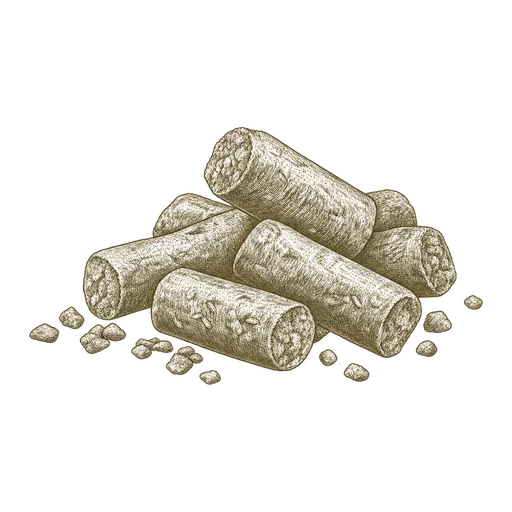
Explore ingredientAlfalfa pellets are ground, compressed forage used in livestock feeding and compound feeds. Compare the drying process, alfalfa material, forage analysis and pellet characteristics to choose a form that fits your ration and receiving setup.
Explore ingredientAlmond hulls are the dried outer layer of the almond fruit, sourced for ruminant feed as hull-only material or as a hull-and-shell mixture. Compare the lot’s composition, physical form, and handling needs before arranging a bulk shipment.
Explore ingredient