
Kidney bean bulk storage and receiving questions
Plan bulk kidney bean receiving by matching the offered form and packaging to your unloading setup, then protect the beans in a cool, clean, dry storage area off the floor.
Read the guide
Practical guides to ingredients, specifications, and the questions worth asking before you buy.
Better ingredients.
Better questions.
Stronger connections.
Plan bulk kidney bean receiving by matching the offered form and packaging to your unloading setup, then protect the beans in a cool, clean, dry storage area off the floor.
Read the guide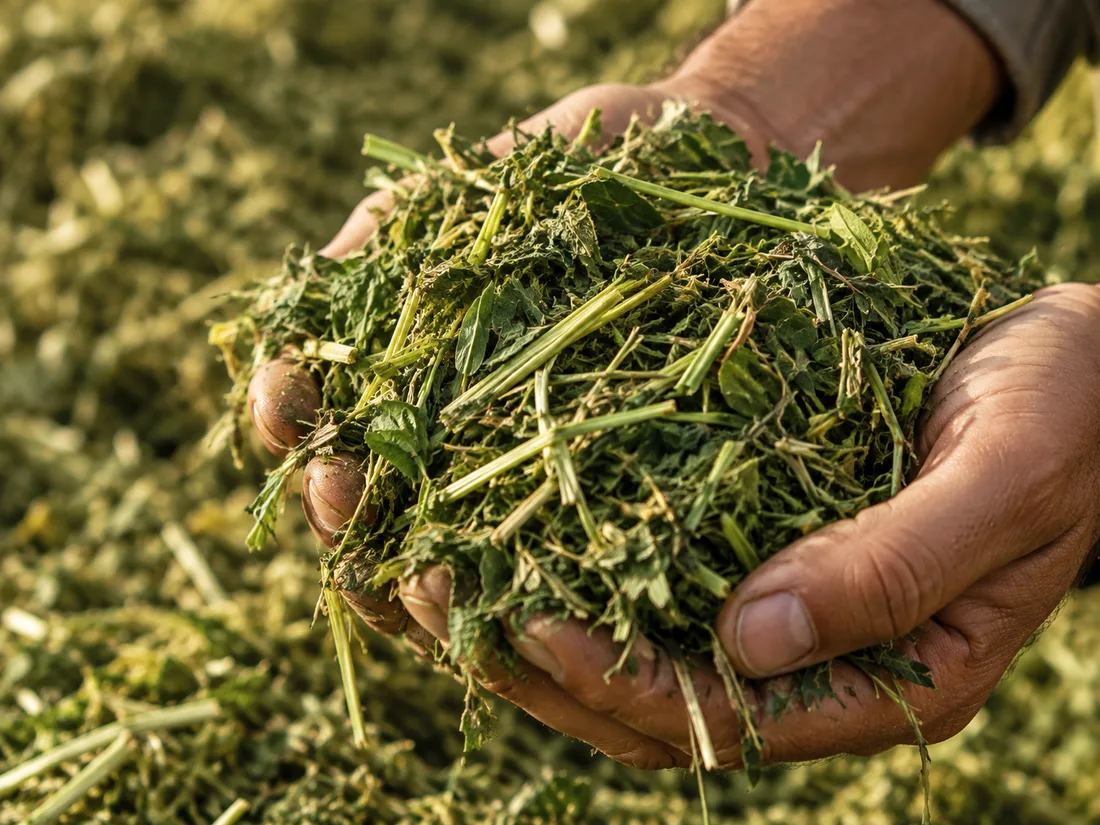
Red Siberian foxtail millet planting seed is a crop-establishment choice, not a measure of harvested forage quality. Separate seed evaluation from field results and assess the harvested material with a current, clearly based analysis.
Read the guidePea fiber can change dough hydration, loaf structure, crumb texture and flavor. The specific material and bread process determine the result, so trial the intended ingredient against a consistent control before planning a bulk purchase.
Read the guideA practical pre-shipment guide to coordinating bulk soybean meal delivery, receiving equipment, lot paperwork, sampling and dry, clean storage.
Read the guidePlan bulk carrot powder receiving around the offered package, your facility’s unloading setup, and product-specific protection from moisture and oxygen exposure.
Read the guideCompare peanut hull analyses on a consistent reporting basis. Learn what moisture, protein, fiber, energy, fat and mineral results can tell you—and what to verify before using an analysis to evaluate an offered lot.
Read the guideCompare mustard meal specifications on a like-for-like basis: identify the mustard and extraction process, align analytical bases and methods, and interpret glucosinolate results in the context of the intended use.
Read the guidePlan an Austrian winter pea grain order by aligning product form, quantity, delivery details and receiving capacity with storage conditions for the specific lot.
Read the guideAssess chickpea protein for emulsified foods by looking beyond protein percentage: compare application-relevant test methods, account for processing and recipe conditions, and validate performance in the intended formulation.
Read the guideA practical framework for identifying mustard meal, interpreting its analysis and assessing glucosinolates in the context of a species-specific feed formulation.
Read the guideBeet molasses can help feed particles adhere and reduce loose dust, but its usefulness as a pellet binder depends on liquid distribution, metering and the production line. Evaluate those process needs separately from its role as a source of feed energy.
Read the guide
Compare soybean hulls analyses for cattle feed by aligning moisture, crude protein, fiber and energy results on a clear, consistent basis. Learn why as-fed and dry-matter values differ and how to use lot analysis alongside ration requirements.
Read the guideExplore ingredient specifications or share your volume, delivery needs, and buying requirements.