What pea fiber changes in a bread dough
Pea fiber in bread formulation is not a one-for-one substitute for wheat flour. It adds a fiber-rich fraction that interacts with water and changes the balance of ingredients in the dough. The result depends on the specific pea fiber, the amount used, the flour and the rest of the formula.
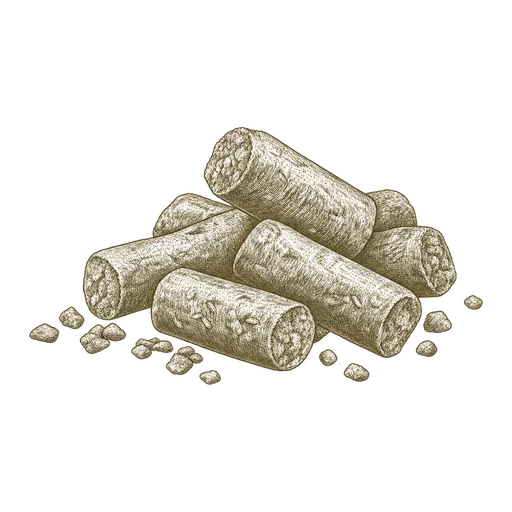
Pea hull fiber can bind or retain water. If the dough receives no hydration adjustment, it may feel firmer or drier because more water is associated with the fiber rather than available to hydrate the flour and form dough. That effect is not a fixed property across all materials: particle characteristics and the ingredient’s composition matter, as do mixing and proofing conditions.
Hydration, mixing and dough handling
Water absorption is a practical starting point for a trial, but it should be assessed alongside dough handling. A change in water can affect consistency during mixing, shaping and make-up. Adding water may restore a workable dough, yet the adjustment can also affect stickiness, handling and the final crumb. The right target is the dough behavior your process needs, not simply a higher hydration number.
Evaluate the fiber in the intended formula and process. Record the fiber’s identity and specification, how it is incorporated, the dough’s consistency after mixing, and whether the dough remains manageable through shaping and proofing. A result from another recipe or another pea fiber material does not establish how a different ingredient will perform.
Dietary fiber, loaf volume and crumb
Pea fiber contributes dietary fiber, but the finished bread’s fiber content depends on the ingredient’s measured composition and the amount incorporated, as well as what it replaces. For a nutrition calculation or label decision, use the specification and analytical basis for the actual material rather than assuming all pea fiber has the same composition.
Loaf volume and crumb structure are important trial outcomes. Replacing part of the flour with a non-gluten fiber changes the proportion of the dough-forming ingredients. Depending on the fiber and formula, this can interfere with the structure that retains gas, so loaf volume may fall or the crumb may become denser. Hydration, mixing, fermentation and baking all influence the outcome; volume should be judged against a control loaf made with the same process.
Crumb hardness can also shift. A firmer dough or a denser crumb may produce a different eating texture, while water distribution and the finished bread’s moisture also matter. Evaluate hardness at a consistent time after baking, using the same handling and assessment method for the control and trial loaves.
Flavor and appearance are part of the decision
Pea fiber may affect more than texture. The material can contribute its own flavor or color, and the prominence of those characteristics depends on the specific ingredient and bread formula. A result in a strongly flavored or darker bread may not predict its sensory effect in a mild, pale loaf.
Include flavor, aroma, color and mouthfeel in the trial review alongside dough handling and loaf performance. Decide in advance which changes are acceptable for the product. If sensory differences matter, assess the finished bread in the intended eating context rather than relying on dough appearance alone.
Build a useful trial before sourcing at scale
Ask your formulation team to compare a control against trials made with the exact pea fiber being considered. Keep the process consistent and document the formula, hydration, mixing and proofing conditions. Track dough handling, loaf volume, crumb structure and hardness, sensory results, and the calculated dietary-fiber contribution. Do not use an inclusion rate from another formula as a general recommendation.
Before a bulk purchase, specify whether the target is hull fiber or another pea fiber fraction, and identify the physical form and quality measures the trial depends on. Those details help connect formulation results to the material being quoted. For sourcing, see the [Pea Fiber page](/ingredients/pea-fiber) and share the intended bakery use and material requirements.
Common questions.
Does pea fiber increase water absorption in bread dough?+
It can increase water demand because fiber can bind or retain water, but the effect varies with the specific material and formula. Evaluate dough consistency and handling in a controlled trial rather than applying a universal water adjustment.
Can pea fiber reduce bread loaf volume?+
It can, depending on the material, formula and process. Replacing flour with a non-gluten fiber changes the dough’s structure, which may affect gas retention. Compare loaf volume with a control made under the same conditions.
Will pea fiber make bread harder or change its flavor?+
It may affect crumb firmness, mouthfeel, flavor or color, but the outcome depends on the pea fiber and the bread formula. Evaluate finished bread alongside dough handling, using a consistent process and assessment.
How should a bakery choose pea fiber for a bread trial?+
Identify the intended fraction, such as pea hull fiber, and compare the material’s specification with the trial’s functional and nutritional goals. Keep the material identity and analytical basis consistent when reviewing performance or calculating dietary fiber.