Grains
Alfalfa
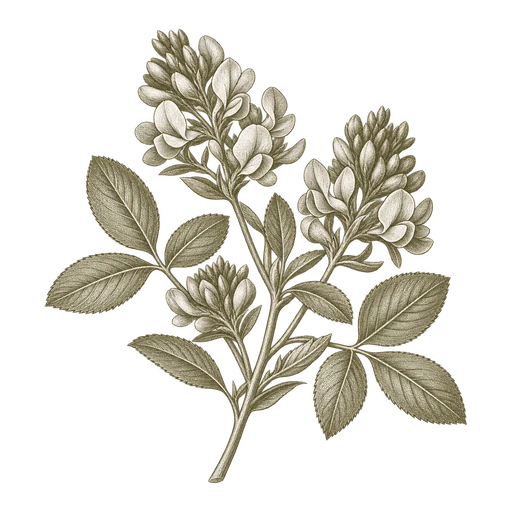
Alfalfa is a forage legume sourced as hay, silage, meal or pellets for livestock feed. Match the form to receiving and ration needs, then compare a lot-specific analysis on a consistent basis.
Explore ingredientCompare peanut hull analyses on a consistent reporting basis. Learn what moisture, protein, fiber, energy, fat and mineral results can tell you—and what to verify before using an analysis to evaluate an offered lot.
A peanut hull feed analysis is useful only when you know whether its nutrient values are reported as-fed or on a dry-matter basis. As-fed results describe the material in the condition tested, including its moisture. Dry-matter results remove the effect of water so nutrient concentrations can be compared on a common basis.
To convert an as-fed nutrient value to a dry-matter value, divide it by the dry-matter fraction. The dry-matter fraction is the proportion of the sample that is not moisture, expressed as a decimal. For example, a result reported on an as-fed basis must be adjusted using the sample’s dry-matter result before comparing it with a dry-matter figure from another analysis. The reverse comparison requires converting both figures to the same basis first.
A number without its basis can mislead: moisture dilutes the concentration of nutrients per unit of as-fed material. This does not mean the lot contains less total nutrient in the dry portion; it means the tested material includes a different amount of water. Compare values on one basis, and keep the original report’s labels with any figures carried into a formulation.
Moisture and dry matter describe the sample’s composition and help explain why two analyses may show different nutrient concentrations. Moisture also matters when evaluating the amount of usable dry material represented by an as-fed quantity. For a bulk buyer, this distinction helps keep a delivered weight comparison separate from a nutrient-concentration comparison.
Check that moisture or dry matter is reported for the same sample as the nutrient results. If one sheet gives nutrients as-fed and another gives dry-matter values, do not compare the listed percentages directly. Also note whether the report identifies the sample and the lot it represents; results are only useful for a purchase decision when the sample is representative of the material being offered.
Protein is one part of the nutrient profile, not a complete measure of feed value. When crude protein is listed, compare it on a consistent basis and interpret it alongside the rest of the ration and the intended use. Peanut hulls are a fibrous co-product, so fiber measures are especially relevant when assessing how the material fits into a feed formulation.
A report may include crude fiber or other fiber measures, such as neutral detergent fiber or acid detergent fiber. These measures are not interchangeable: each describes fiber using a different analytical approach. Use the same measure when comparing lots, and avoid treating a fiber result alone as a direct statement of digestibility or animal performance.
Energy values require particular care. A reported energy figure may be calculated or estimated using a specified method, and values based on different systems may not be directly comparable. Check whether energy is listed, how it was determined, and whether the reporting basis matches the other values. If it is not stated, do not assume that two energy numbers were derived in the same way.
Fat helps round out the proximate analysis and can distinguish the composition reported for one sample from another. Its presence does not replace the need to review moisture, protein and fiber together. As with the other results, confirm whether fat is reported as-fed or on a dry-matter basis.
Mineral information can add useful context when the formulation calls for it. A report might list ash as a broad measure of inorganic material, individual minerals, or both; ash is not a substitute for a mineral profile. Compare individual mineral results only when the same minerals and reporting units appear on both reports, and verify the basis used for each.
General reference values can help orient a formulation discussion, but they do not describe a particular peanut hull lot. An offered-lot analysis should identify the tested material and provide the reported values, units and basis. Where a buyer relies on a specific field—such as moisture, a fiber measure or a mineral result—make sure that field is included rather than inferred from a general table.
Before using an analysis to compare offers, check the sample description, sampling date if provided, reporting basis and analytical method where relevant. Ask how the sample was taken and whether it represents the lot being quoted. A clear, consistent set of results makes it easier for a nutritionist or feed formulator to assess the material without mistaking a difference in reporting for a difference in composition.
Once you know which fields and basis your formulation requires, use the peanut hulls ingredient page to continue sourcing discussions. State the required form, quantity and destination alongside the analysis details so the offered material and its results can be evaluated together.
The reports may use different reporting bases. An as-fed value includes moisture, while a dry-matter value removes its effect. Convert both results to the same basis before comparing them, and check that the same nutrient measure and units are being used.
Not by itself. Fiber measures describe material using particular analytical methods; different measures are not interchangeable, and a single fiber result is not a direct digestibility or performance claim. Interpret it with the rest of the analysis and the intended ration.
Check which sample and lot it represents, whether moisture or dry matter is reported, the basis and units for each nutrient, and the fiber measures and energy method used. Compare results only when the fields and reporting bases align.
Focused guides to the specification, application, and delivery questions behind this ingredient.
Plan bulk peanut hulls receiving around the shipment’s quantity, packaging, unloading requirements, available space and the lot’s moisture condition.
Read this InsightWhole peanut hulls can add bulky fibrous material to cattle rations, but their low energy and protein content—and the difference between whole, ground and pelleted forms—make full-ration evaluation essential.
Read this InsightAlfalfa is a forage legume sourced as hay, silage, meal or pellets for livestock feed. Match the form to receiving and ration needs, then compare a lot-specific analysis on a consistent basis.
Explore ingredientAlfalfa meal is ground forage used in animal feed, with sun-cured and dehydrated processing routes and meal or pellet forms. Compare the offered process, physical form and analysis against the needs of the species and feed formulation.
Explore ingredientAlfalfa pellets are ground, compressed forage used in livestock feeding and compound feeds. Compare the drying process, alfalfa material, forage analysis and pellet characteristics to choose a form that fits your ration and receiving setup.
Explore ingredientAlmond hulls are the dried outer layer of the almond fruit, sourced for ruminant feed as hull-only material or as a hull-and-shell mixture. Compare the lot’s composition, physical form, and handling needs before arranging a bulk shipment.
Explore ingredient