Independent sourcing. Better connections.Commercial buyers · Bulk ingredients
tag

Peanut co-products

Peanut co-products in this collection are the fibrous outer material separated during peanut shelling, offered as Peanut Hulls or the processed form Peanut Hull Pellets. Their main supported role is as a roughage or fiber component in livestock diets, especially cattle feed—not as a complete feed or protein supplement. Form matters: whole hulls and pellets differ in physical characteristics and fiber effectiveness. Bulk buyers can compare them by intended ration use, lot analysis, handling fit,物

2 ingredients6 published Insights
EXPLORE THE COLLECTION

Peanut co-products ingredients

Feed Ingredients

Peanut Hull Pellets

Peanut hull pellets are a processed peanut-shell by-product used as high-fiber roughage in beef cattle rations. Compare lot analysis and pellet characteristics, since processing changes effective fiber and the right role depends on the complete ration.

Explore ingredient
Feed Ingredients

Peanut Hulls

Peanut hulls are bulky, fiber-rich peanut shells used in some cattle roughage and concentrate formulations. Compare whole versus processed form and review the offered lot’s analysis, intended use and receiving requirements before arranging a bulk order.

Explore ingredient

Whole hulls and pellets are different physical forms

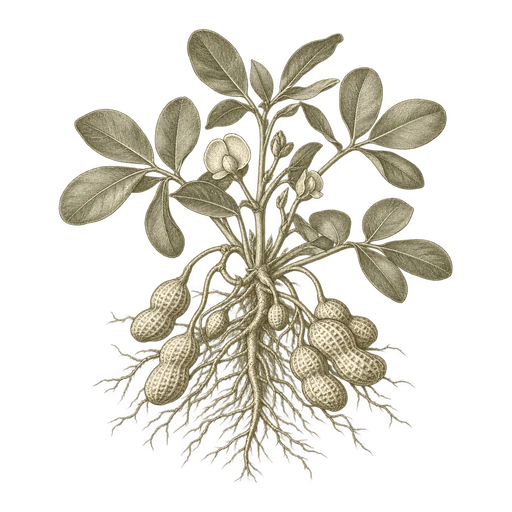
Peanut hulls, also called shells, are the fibrous outer material removed during shelling—not the kernel’s thin skin. Whole hulls are bulky and low in energy and protein, so buyers generally assess them as a roughage or fiber component rather than a complete feed.

Peanut hull pellets are a processed form of the same co-product. Pelleting can make material more compact, but it also shortens the fiber and can reduce its effectiveness as physically effective fiber. Confirm whether a lot is whole, ground or pelleted rather than treating these forms as interchangeable.

Evaluate the lot for its intended feed use

The clearest application is as a low-quality roughage component in livestock diets, particularly cattle feed. Hulls can dilute dietary energy and protein if they displace more nutrient-dense ingredients. Inclusion decisions depend on the complete ration, animal class and production stage; a published percentage is not a universal feeding limit.

Request a current lot analysis that identifies the analytical basis, such as as-fed or dry matter, and covers nutrients relevant to the ration. Ask about moisture, physical condition and applicable mold or aflatoxin test results, since peanut-hull storage and contamination are relevant feed-quality considerations.

Plan for bulk handling and receiving

Whole and ground hulls can be bulky and may flow poorly through conventional handling equipment. Pellets may suit some conveying and mixing systems better, but verify pellet dimensions, fines and durability against receiving and feed-mixing requirements. Do not assume every pellet lot has the same size or composition.

When comparing offers, align the product form, lot analysis, quantity, packaging or delivery method, and any required testing with the intended use. These details help distinguish a workable feed ingredient from material that is difficult to store, move or incorporate.

Common questions.

Are whole peanut hulls and peanut hull pellets interchangeable?+

No. Pellets are processed and can provide less physically effective fiber. Check form and particle characteristics when assessing a ration.

Are peanut hulls a protein supplement or complete feed?+

No. They are a high-fiber, low-energy and low-protein co-product generally considered as one component of a formulated diet.

What should a buyer request for a bulk lot?+

Request a current lot analysis with its basis, the form and processing description, moisture and physical-quality details, and relevant contamination test results.

Can one published feeding rate be used for every peanut-hull product?+

No. Feeding guidance varies with form, ration composition, animal class and production stage. Have a livestock nutritionist evaluate the complete ration.

Peanut co-products · BUYER INSIGHTS

Go deeper before you source.

Focused guides to the specification, application, and delivery questions behind this ingredient.

FIELD GUIDE01Peanut co-products
Buyer’s guide

Planning bulk receiving and storage for peanut hulls

Plan bulk peanut hulls receiving around the shipment’s quantity, packaging, unloading requirements, available space and the lot’s moisture condition.

Read this Insight
FIELD GUIDE02Peanut co-products
Buyer’s guide

Whole peanut hulls in cattle roughage formulations

Whole peanut hulls can add bulky fibrous material to cattle rations, but their low energy and protein content—and the difference between whole, ground and pelleted forms—make full-ration evaluation essential.

Read this Insight
FIELD GUIDE03Peanut co-products
Buyer’s guide

How to compare peanut hull feed analyses

Compare peanut hull analyses on a consistent reporting basis. Learn what moisture, protein, fiber, energy, fat and mineral results can tell you—and what to verify before using an analysis to evaluate an offered lot.

Read this Insight
FIELD GUIDE04Peanut co-products
Buyer’s guide

Planning receiving and storage for bulk peanut hull pellets

Plan a peanut hull pellet order around your site’s quantity, timing, unloading equipment and storage conditions. Knowing which lot-specific details to request helps prevent receiving and material-flow surprises.

Read this Insight
FIELD GUIDE05Peanut co-products
Buyer’s guide

Peanut hull pellets in cattle rations: the effective-fiber question

Peanut hull pellets supply processed fiber, but their compact form is not equivalent to long-stem hay. Understand the physical-fiber distinction and discuss the pellets’ role in the full cattle ration with a ruminant nutritionist.

Read this Insight
FIELD GUIDE06Peanut co-products
Buyer’s guide

How to compare peanut hull pellets by analysis and basis

A practical guide to comparing peanut hull pellet analyses: align moisture basis, units and nutrient definitions before comparing values, and evaluate energy figures and pellet condition in context.

Read this Insight