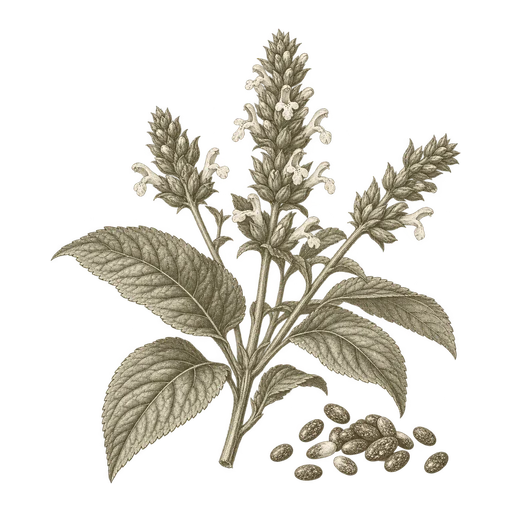
Start with the exact meal, not the ingredient name
“Mustard meal” is not enough information to formulate a ration. The name can refer to material made from different mustard seed types and processed in different ways. Meal is generally the solid material remaining after oil is removed from seed, but the amount of oil left, the degree of grinding and any subsequent heat treatment can differ between products. Those differences affect the material a nutritionist is evaluating.
Ask for the product’s identity and processing description alongside its analysis. Establish the mustard species or seed type where known, whether the meal is expeller-produced or otherwise processed, and whether it is untreated or heat-treated. Do not treat mustard seed, mustard flour and oil-extraction meal as interchangeable feed ingredients: they are different forms with different compositions and uses.
Read the analysis as a feed ingredient profile
Use a representative product analysis to determine how the meal would contribute to the whole ration. Review crude protein, fat or residual oil, fiber, moisture and ash where reported, and note whether results are stated on an as-fed or dry-matter basis. A dry-matter comparison removes the effect of moisture; an as-fed value describes the material as delivered. Mixing those bases can distort comparisons and formulation calculations.
The analytical panel should fit the decision being made. Protein alone does not describe a meal’s full contribution: residual oil affects energy contribution, while fiber and moisture influence how the ingredient fits the rest of the ration and how much dry matter it supplies. Ask whether the analysis represents the lot under consideration and whether the laboratory method and reporting basis are clear. If a nutrient or measurement is central to the formulation but absent, the available panel cannot answer that question.
Treat glucosinolates as a separate formulation question
Mustard is a brassica, and mustard-derived meal can contain glucosinolates. Their concentration and profile depend on the seed and processing, so a general description of mustard meal cannot establish the level in a particular product. Processing can also affect the compounds and their breakdown products; do not assume that a heat-treated meal has a particular glucosinolate status without data for that material.
Ask for glucosinolate information when it matters to the proposed ration, including what compounds or total measure were tested, the reporting basis and whether the result applies to the specific meal. A number without a defined method or analyte may not support a meaningful comparison. If the analysis does not include the measure needed, record that as an unresolved formulation input rather than estimating it from the ingredient name.
Make the decision for the species and the complete ration
There is no single mustard-meal decision that applies across animal species. Digestive physiology, nutrient requirements, life stage and the rest of the ration all affect whether an ingredient is appropriate and what constraints matter. A feeding claim for one species, product or processing method does not automatically transfer to another.
Have the nutritionist assess the meal in the context of the complete diet, using the product identity and relevant analytical results. Consider how its protein, residual oil and fiber fit alongside other ingredients, then address glucosinolate information and any other species-specific concerns. Do not set an inclusion rate from a generic online rule or a supplier’s broad description; the appropriate decision depends on the animal, formulation and actual product data.
Where a feeding claim or use restriction is important, verify it for the intended species and the exact product. Keep the claim’s scope clear: species, product form, processing description and any conditions attached to the guidance. This avoids turning a result for one meal into an unsupported assurance about all mustard meals.
Resolve the data gaps before buying
Before requesting a bulk quote, define the intended feed use and give the supplier the information the nutritionist needs to compare the offered meal: product identity, processing description, analysis with reporting basis, and glucosinolate data when relevant. If the offer cannot provide a required value, decide with the nutritionist whether another analysis or a different product is needed before building the ration around it.
Once formulation requirements are defined, use the [Mustard ingredient page](/ingredients/mustard) to explore sourcing. For a useful inquiry, specify the required meal form, quantity and unit, delivery destination, timing, packaging or receiving method, and the quality measures needed for evaluation. Commercial terms and lot-specific data depend on the actual offer and should be reviewed before purchase.
Common questions.
Can mustard meal be used in every type of animal feed?+
No universal answer applies across species or rations. Suitability depends on the animal, complete diet, exact meal and relevant composition data. A nutritionist should evaluate the product for the intended species rather than transfer a claim from another use.
Which mustard meal measurements matter for feed formulation?+
Review the product identity and processing description, then the nutrient analysis needed for the ration, such as protein, residual oil, fiber, moisture and ash. Confirm whether results are reported as-fed or on a dry-matter basis. Glucosinolate information may also be needed for the specific formulation decision.
Can I use a general inclusion rate for mustard meal?+
A generic rate is not a sound substitute for a species- and ration-specific formulation. The meal’s composition and glucosinolate profile can vary, and the complete diet matters. Have a qualified nutritionist evaluate the actual product data before setting an inclusion level.