
Bulk storage planning for black-oil sunflower seed
A practical guide to managing moisture and fines in bulk black-oil sunflower seed, coordinating airflow and monitoring, and preparing the receiving site.
Read the guidePractical guides to ingredients, specifications, and the questions worth asking before you buy.
Better ingredients.
Better questions.
Stronger connections.
A practical guide to managing moisture and fines in bulk black-oil sunflower seed, coordinating airflow and monitoring, and preparing the receiving site.
Read the guideCoconut oil can contribute body, firmness and mouthfeel when incorporated into a food, but its role and processing conditions matter. Learn how to align the texture target with the oil’s processing description, lot analysis and formulation evaluation.
Read the guideEvaluate fish meal for aquaculture diets by relating the offered lot’s composition to species and life-stage needs, the complete formula, and the feed manufacturing process.
Read the guideCompare green lentil flour offers on the processing and test details that affect food production: seed preparation, heat treatment, particle size, moisture, protein reporting basis, color and relevant test methods.
Read the guideA practical guide to defining whole or hulled striped sunflower seed and comparing lot condition, size and yield on a consistent basis.
Read the guideA practical guide to evaluating rapeseed meal in cattle, swine and poultry diets, from the offered analysis and glucosinolate results to animal group and whole-ration fit.
Read the guideChoose whole dried figs for a distinct, visible fruit element and fig pieces for more distributed inclusion. Compare the actual cut, preparation, and recipe process before sourcing a bulk lot.
Read the guideCompare pea screenings nutrient results on a consistent reporting basis, interpret energy methods carefully, and look beyond grade names to understand the lot’s pea and foreign-material fractions.
Read the guideU.S. durum grade describes grain condition under official grading factors, while subclass classifies the proportion of hard, vitreous kernels. Mill buyers need both context and separate, lot-relevant analyses to build a complete milling specification.
Read the guideAssess whether canola oil fits a commercial frying line by defining process conditions, finished-food requirements, trial criteria, quality controls and receiving needs before comparing a specific supplier offer.
Read the guide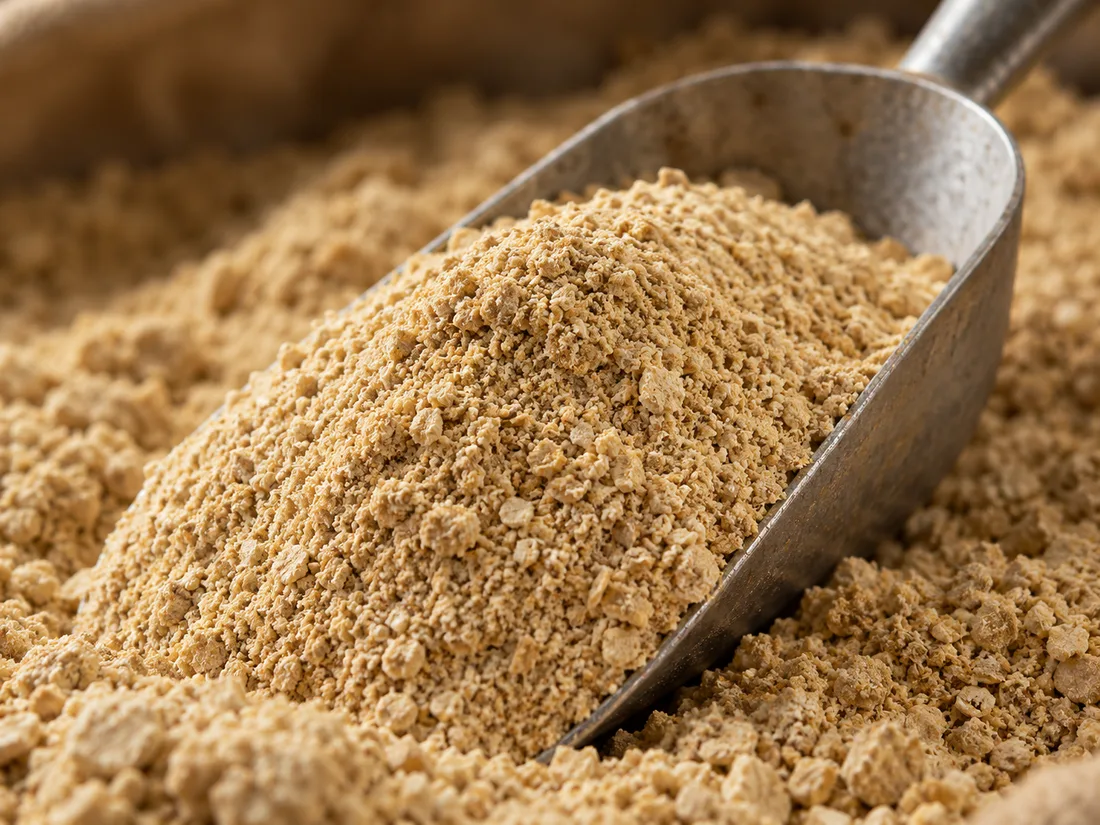
A dairy ration decision starts with the complete diet: forage, animal group, other protein sources, and the nutritionist’s nutrient and amino-acid targets. This checklist explains how to evaluate soybean meal’s role and what offer details to discuss before sourcing.
Read the guideRolling, grinding and steam flaking produce different barley particle forms and affect how the kernel’s starch is exposed. Compare the processing description and available particle information in the context of the complete cattle ration and feeding management.
Read the guideExplore ingredient specifications or share your volume, delivery needs, and buying requirements.