Grains
Alfalfa
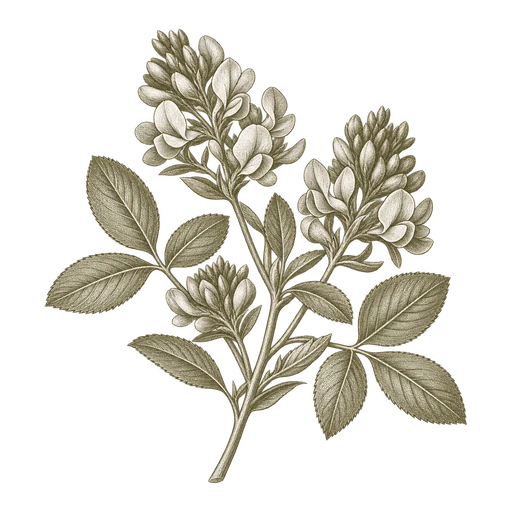
Alfalfa is a forage legume sourced as hay, silage, meal or pellets for livestock feed. Match the form to receiving and ration needs, then compare a lot-specific analysis on a consistent basis.
Explore ingredientCompare pea screenings nutrient results on a consistent reporting basis, interpret energy methods carefully, and look beyond grade names to understand the lot’s pea and foreign-material fractions.
A useful pea screenings analysis tells you both what was measured and how the result is expressed. Moisture, protein, fiber, fat and energy values can help compare lots, but only when the reports use a comparable basis and clearly identify the material tested.
Most nutrient results are reported either as-fed or on a dry-matter basis. As-fed values describe the ingredient as received, including its moisture. Dry-matter values remove the effect of water, making them useful for comparing ingredients or lots with different moisture levels. To convert an as-fed nutrient value to a dry-matter value, divide it by the dry-matter fraction: (100 minus moisture percentage) divided by 100. Keep the original units and report basis attached to every value.
A conversion can make reports easier to compare, but it cannot correct for different sampling or laboratory methods. Compare like with like where possible, and make sure the analysis identifies the lot it represents.
Moisture is more than a line on a lab report: it affects how much dry material is delivered in a given weight and informs storage decisions. When comparing offers, use moisture alongside the nutrient results rather than treating an as-fed protein or energy figure as independent of water content.
Protein is one measure of the pea-derived nutrient contribution, but a single protein figure does not establish the full feeding value of a screenings lot. Fiber helps describe the material’s composition and can be relevant to how it fits a ration. Fat is another component of the nutrient profile; compare its reported value on the same basis and with the same units across lots.
These measures should be interpreted as a profile, not as isolated targets. A difference in the mix of pea material, other pulses and plant debris can affect the analysis. A lot’s intended use and the rest of the ration determine which differences matter.
Available energy is not a standalone grade label. Energy values may be calculated using a particular equation or feeding system, so two reports can show different results because of the method as well as because of the ingredient. Before comparing figures, identify the energy measure, calculation basis and units used on each report.
Ask whether the energy figure is reported as-fed or on a dry-matter basis, and whether it is a measured or calculated value. Do not compare values produced by different systems as if they were interchangeable. For ration decisions, have the nutrition professional responsible for the formulation interpret the analysis using the method appropriate to that feed program.
Pea screenings can contain different proportions of pea material, other pulse seeds, weed seeds, chaff and dust. A grade description may characterize a lot, but it does not by itself tell you the nutrient composition or guarantee a particular protein, fiber, fat or energy value.
The composition of the non-pea fraction matters because it changes what the buyer is receiving. Other pulse seeds may contribute differently from pea material; weed seeds are a distinct fraction that buyers may need to assess for their intended use; and chaff or dust can affect the amount of usable material and how the product moves through handling equipment. The terms “foreign material” or “screenings” alone do not show the share or identity of each fraction.
Look for a clear description of how the grade is defined and how the fractions were assessed. If the proportions matter to your operation, request results that distinguish pea material from other pulses, weed seeds, chaff and dust rather than relying on a broad grade name.
For a meaningful comparison, pair a lot-specific nutrient analysis with a grade or composition description. Check the lot identification, sampling date, test basis, units and analytical methods where provided. Confirm that the results refer to the material being offered, not a general product description or an unrelated sample.
Then compare the measures that affect your use: moisture, protein, fiber, fat, the stated energy measure and the composition of foreign material. Record whether values are as-fed or dry matter, and avoid ranking lots by one number while ignoring differences in the remaining profile. Where results or grade language are unclear, the gap is specific: you need the test basis, lot identity, method or fraction description to interpret the offer.
Once you have defined the quality profile and comparison basis your operation needs, use the Pea Screenings page to pursue sourcing. For any specific offer, the analysis, grade description and test basis should be verified for the lot under consideration.
No. A grade description and a nutrient analysis serve different purposes. Grade describes the product according to its stated criteria; protein and energy values require analysis or, for energy, a stated calculation method.
Convert results to the same basis before comparing. Dry-matter reporting removes the moisture effect; as-fed reporting reflects the ingredient as received. Retain the original basis and units, and do not treat conversion as a substitute for comparable sampling and testing.
When the fractions matter to your use, request a description or assessment that distinguishes pea material, other pulse seeds, weed seeds, chaff and dust. A broad grade name may not identify the proportions or composition of those fractions.
Focused guides to the specification, application, and delivery questions behind this ingredient.
Plan pea screenings receiving around the offered form, particle variation, fines, facility equipment, packaging and moisture protection. Verify the lot’s condition and handling guidance rather than relying on whole-pea assumptions.
Read this InsightA lot-specific framework for evaluating pea screenings in swine rations, from sample inspection and nutrient results to animal class, foreign material and whole-diet balance.
Read this InsightAlfalfa is a forage legume sourced as hay, silage, meal or pellets for livestock feed. Match the form to receiving and ration needs, then compare a lot-specific analysis on a consistent basis.
Explore ingredientAlfalfa meal is ground forage used in animal feed, with sun-cured and dehydrated processing routes and meal or pellet forms. Compare the offered process, physical form and analysis against the needs of the species and feed formulation.
Explore ingredientAlfalfa pellets are ground, compressed forage used in livestock feeding and compound feeds. Compare the drying process, alfalfa material, forage analysis and pellet characteristics to choose a form that fits your ration and receiving setup.
Explore ingredientAlmond hulls are the dried outer layer of the almond fruit, sourced for ruminant feed as hull-only material or as a hull-and-shell mixture. Compare the lot’s composition, physical form, and handling needs before arranging a bulk shipment.
Explore ingredient