Grains
Alfalfa
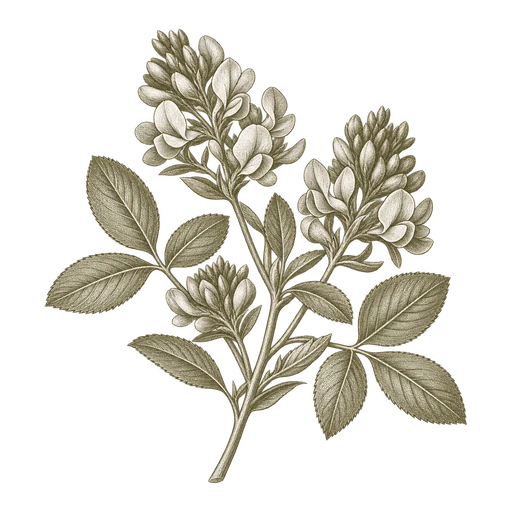
Alfalfa is a forage legume sourced as hay, silage, meal or pellets for livestock feed. Match the form to receiving and ration needs, then compare a lot-specific analysis on a consistent basis.
Explore ingredientEvaluate fish meal for aquaculture diets by relating the offered lot’s composition to species and life-stage needs, the complete formula, and the feed manufacturing process.
Fish meal can supply concentrated protein along with amino acids, lipids, minerals, and other nutrients. Its role in an aquaculture diet cannot be judged from crude protein alone: the composition of the offered lot, the fish being fed, the rest of the formula, and the feed manufacturing process all affect its value to the formulation.
Request a lot-specific analysis and establish what it measures and how results are reported. Protein, moisture, lipid, and ash help describe the ingredient’s basic composition. Amino acid data can help the nutritionist evaluate how its protein contributes to the diet’s amino acid balance. Where available and relevant to the species and formulation, digestibility information can add context that a proximate analysis does not provide.
Compare like with like. Analytical basis matters: for example, moisture changes the proportion of nutrients expressed on an as-fed basis versus a dry-matter basis. A formulator should use a consistent basis across fish meal and the other ingredients rather than comparing figures that describe different bases.
Aquaculture species differ in dietary needs, and requirements change with life stage and production objective. That makes the same fish meal analysis a different formulation input depending on whether the diet is being designed for one species or stage rather than another. The qualified nutritionist should review the target animal, life stage, feeding program, and relevant nutrient specifications before assigning the ingredient a role.
The nutritionist should also assess individual amino acids and other relevant nutrients, not treat a high protein result as proof that the ingredient alone meets the diet’s needs. The offered lot’s lipid and mineral contributions can affect the overall nutrient balance too. The right evaluation is how the fish meal fits the complete formula, not whether one headline value looks favorable.
Fish meal is one component in a ration. Other protein ingredients, oils, grains, binders, and premixes contribute nutrients and affect the formula’s overall composition. Their analyses and digestibility characteristics should be considered alongside the fish meal so the nutritionist can identify what the complete diet still needs and avoid evaluating ingredients in isolation.
Ingredient substitution deserves particular care. Replacing one protein source with fish meal, or changing the fish meal lot, can alter more than total protein: amino acid balance, lipid contribution, ash, moisture, and other formulation inputs may change. The scale of any adjustment depends on the specific analyses and the diet’s targets, so inclusion decisions and expected outcomes require review by a qualified aquaculture nutritionist. There is no single general inclusion rate that suits all species, life stages, and formulas.
A formula has to work in the intended manufacturing process as well as on paper. Aquafeed may be pelleted or extruded, and processing conditions affect how ingredients are incorporated into the finished feed. Fish meal’s particle size and physical consistency matter for mixing and uniformity; the nutritionist and feed mill should assess whether the offered material fits their grinding, blending, and processing setup.
Heat exposure and the full process should also be considered when evaluating nutrient availability and the finished feed. Feed form, water stability, and other product requirements depend on the species and feeding system. A laboratory analysis of the ingredient does not by itself establish how the final feed will perform in processing or use. Review formulation and manufacturing conditions together, and base any performance judgment on appropriate product-specific evaluation rather than an assumed benefit.
A useful fish meal inquiry should identify the target species and life stage, intended feed form and process, required order quantity, delivery destination, and the composition data needed for formulation. Specify which analytical measures and reporting basis matter to your nutritionist. If amino acid or digestibility information is important, state that explicitly so the offered lot can be assessed against the formulation rather than a generic description.
Fish meal is a dry, protein-rich ingredient, so receiving and storage plans should account for protecting it from moisture and contamination and for keeping stock rotation manageable. Packaging and unloading arrangements need to match the facility’s equipment and storage setup. Exact analyses, packaging, origin, certifications, and commercial terms depend on the offered lot and supplier. Use the [fish meal ingredient page](/ingredients/fish-meal) to connect a sourcing request to the formulation’s actual requirements.
No. Protein is one useful measure, but the formulator should also consider moisture, lipid, ash, amino acid composition, and—when relevant and available—digestibility information. The complete formula and its analytical basis matter too.
No. Species and life stage affect dietary requirements, while the other ingredients and manufacturing process affect how fish meal fits the diet. A qualified aquaculture nutritionist should review those facts before setting formulation levels.
Include the target species and life stage, intended feed form and process, required quantity and destination, and the specific analyses and reporting basis the nutritionist needs. State any relevant packaging or receiving constraints as well.
Focused guides to the specification, application, and delivery questions behind this ingredient.
Plan fish meal receiving around the offered shipment format, site unloading capacity and dry, clean storage. Track lot identity, manufacture date and storage history without assuming a shelf life or shipment arrangement.
Read this InsightSpecies and raw-material descriptions give context for fish meal analysis, but meaningful comparisons also require protein, lipid, ash and moisture values reported on a consistent as-fed or dry-matter basis.
Read this InsightAlfalfa is a forage legume sourced as hay, silage, meal or pellets for livestock feed. Match the form to receiving and ration needs, then compare a lot-specific analysis on a consistent basis.
Explore ingredientAlfalfa meal is ground forage used in animal feed, with sun-cured and dehydrated processing routes and meal or pellet forms. Compare the offered process, physical form and analysis against the needs of the species and feed formulation.
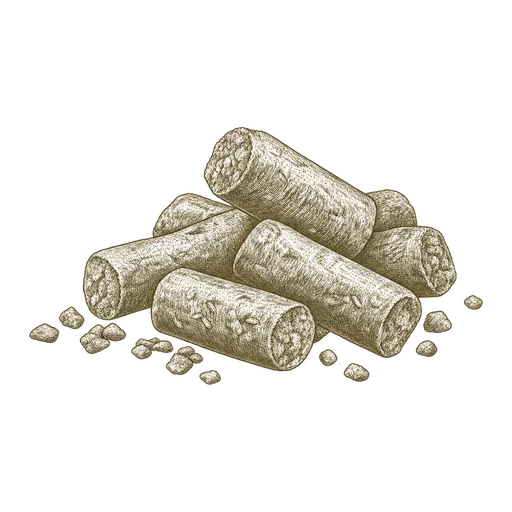
Explore ingredientAlfalfa pellets are ground, compressed forage used in livestock feeding and compound feeds. Compare the drying process, alfalfa material, forage analysis and pellet characteristics to choose a form that fits your ration and receiving setup.
Explore ingredientAlmond hulls are the dried outer layer of the almond fruit, sourced for ruminant feed as hull-only material or as a hull-and-shell mixture. Compare the lot’s composition, physical form, and handling needs before arranging a bulk shipment.
Explore ingredient