
How to compare blueberry powder specifications
A practical framework for comparing blueberry powder specifications, from source fraction and full composition to physical handling measures and method-dependent analytical results.
Read the guidePractical guides to ingredients, specifications, and the questions worth asking before you buy.
Better ingredients.
Better questions.
Stronger connections.
A practical framework for comparing blueberry powder specifications, from source fraction and full composition to physical handling measures and method-dependent analytical results.
Read the guide
Plan bulk whey protein isolate 90 receiving around your facility’s package handling, unloading and storage needs. Keep the powder cool and dry, protect opened material from moisture, and rotate inventory by the product’s stated expiration or retest date.
Read the guide
Compare corn grain lots more clearly by aligning moisture and nutrient measurement bases, reviewing physical condition separately from laboratory results, and interpreting mycotoxin tests against the intended use.
Read the guideMoisture basis, crude protein and named fiber measures help feed buyers interpret an apple pomace analysis. Compare results only when the sample, product form and reporting basis are clear.
Read the guidePlan bulk soy hull pellets receiving around order quantity, facility capacity, unloading equipment and dry, clean storage. Pellet density and durability can affect volume and handling, and vary by product and conditions.
Read the guide
Plan instant WPC 80 receiving around the offered package, site equipment and product-specific storage and date instructions.
Read the guide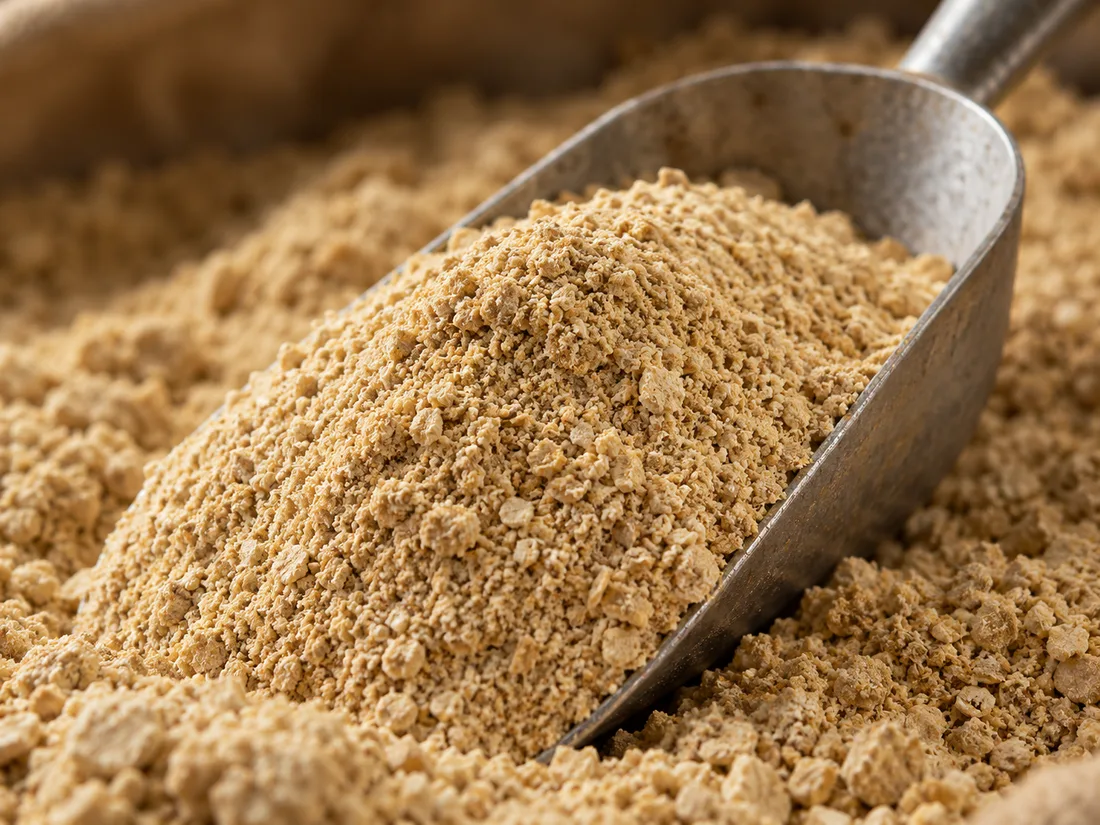
A practical guide to comparing dried distillers grains analyses on a consistent basis, with attention to product identity, moisture, nutrients, minerals and relevant testing.
Read the guideChoose carrot powder for a beverage by distinguishing tissue powder from juice-derived powder, comparing carrot solids and carrier composition, and testing dispersion and texture under your actual mixing conditions.
Read the guideFeed barley quality is best judged against its intended use. Understand what moisture, test weight, foreign material, damaged kernels, contaminant results and processing consistency can tell you—and what each measure cannot establish—before setting lot-specific acceptance criteria.
Read the guideA practical guide to defining kernel form, roast, skin status and added ingredients before sourcing roasted peanut hearts for peanut paste processing.
Read the guideA practical guide to evaluating lactose for direct-compression tablets, from grade and particle attributes to compatibility, documentation and formulation testing.
Read the guideIgG and total protein are separate measures in colostrum powder. Compare them by analyte, assay, units, reporting basis and lot—not by the headline number alone.
Read the guideExplore ingredient specifications or share your volume, delivery needs, and buying requirements.