Grains
Alfalfa
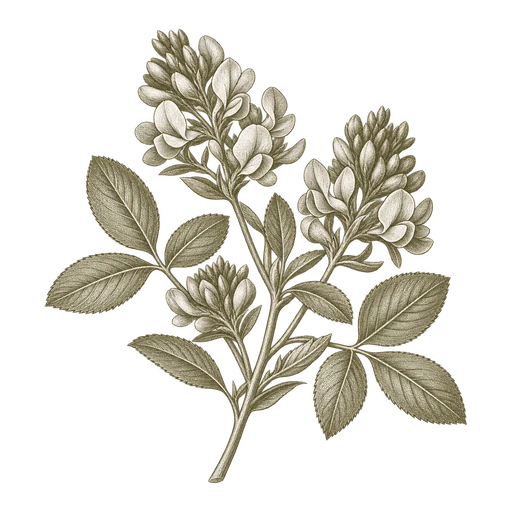
Alfalfa is a forage legume sourced as hay, silage, meal or pellets for livestock feed. Match the form to receiving and ration needs, then compare a lot-specific analysis on a consistent basis.
Explore ingredientA practical guide to evaluating lactose for direct-compression tablets, from grade and particle attributes to compatibility, documentation and formulation testing.
Lactose can serve as a tablet diluent or filler, but the ingredient name alone does not establish that a particular grade will work in direct compression. Begin with the formulation and manufacturing target: tablet size and weight, the active ingredient’s dose and physical properties, the intended compression process, and the tablet’s performance requirements. A low-dose active ingredient, for example, creates different blending and content-uniformity concerns than a formulation in which lactose is the main component.
Define the practical outcomes the formulation must meet, such as consistent die filling, acceptable tablet strength, disintegration and dissolution. These are formulation and process results, not attributes guaranteed by a lactose specification. They depend on the full blend, including the active ingredient, other excipients, lubricant level and compression conditions. Use them to frame the grade evaluation rather than assuming a material label predicts performance.
Lactose is a milk-derived sugar supplied in forms that differ in composition and physical structure. Alpha-lactose monohydrate and anhydrous lactose are distinct forms; within those, particle size and particle structure can also vary. Direct-compression grades are selected or processed for handling and compaction behavior, rather than simply being interchangeable with any lactose powder.
Spray-dried lactose is a familiar direct-compression option. Its engineered particle structure can support powder flow and tablet formation, while other direct-compression grades may use different particle engineering. Do not infer a specific flow or compactability result from the process name alone: grade details matter, and performance should be evaluated in the intended blend and press conditions.
Ask the supplier to identify the exact lactose form and grade, and to explain what makes it intended for direct compression. If comparing monohydrate and anhydrous materials, treat the form as a formulation choice, not just a naming difference. Their moisture characteristics and behavior in a blend may affect material handling and formulation development.
Particle-size distribution and particle structure can affect flow, segregation and blend uniformity. Ask for the grade’s relevant particle-size information and how it is measured; compare it with the material already used in development, where possible. A supplier’s general description of “good flow” is less useful than grade-specific data considered alongside the powder blend and equipment.
Compaction behavior matters because the objective is to form tablets with suitable strength without creating unacceptable processing or disintegration problems. Request available compaction or tabletability information and note the test conditions. Results produced under different tooling, pressure, blend composition or lubricant conditions may not predict performance in your own process.
Confirm the analytical and quality documents needed for the intended product and market, such as the applicable identity and purity specification, lot-specific certificate of analysis, and relevant manufacturing or change-control information. The exact requirements depend on the application and purchasing program. Review the actual document set rather than treating a broad grade description as evidence that every requirement is met.
Lactose is a reducing sugar. Formulators should consider potential compatibility with active ingredients that contain reactive amine groups, since sugar–amine reactions can be a concern in some formulations and storage conditions. This is a reason to assess the particular active ingredient and formulation, not a basis for declaring all lactose combinations unsuitable. Compatibility work and stability evaluation should guide the decision.
Evaluate the candidate grade in the complete formulation, including the intended lubricant and compression conditions. Compare blend handling, tablet strength, friability, disintegration and dissolution against the product’s requirements. If the supplier offers development data, establish whether its test formulation and method are relevant to your own; supplier data can inform screening but cannot replace formulation-specific evaluation.
A useful inquiry identifies the intended tablet application, required lactose form, expected order quantity and delivery destination, along with the documentation and quality attributes needed for review. Ask for the precise grade name, available specification and representative technical information, then clarify which values and documents apply to the lot being considered. Packaging and receiving needs should also be stated because the material must fit the facility’s handling process.
Keep the decision in two parts: first determine whether the material’s identity, grade and documentation meet the purchase requirements; then establish through formulation work whether it performs in the tablet. For broader product and sourcing context, visit the Lactose ingredient page.
No. Lactose form and grade affect powder handling and compaction. Identify a grade intended for direct compression and evaluate it in the actual formulation and process.
Compare the stated lactose form, particle-size information, grade-specific flow or compaction data, analytical specification and supporting documents. Consider the test conditions behind performance data and verify fit in the complete blend.
Do not assume compatibility for every active ingredient. Because lactose is a reducing sugar, compatibility deserves particular attention with reactive amine-containing ingredients. Formulation-specific compatibility and stability evaluation should determine suitability.
Focused guides to the specification, application, and delivery questions behind this ingredient.
A practical coordination guide for bulk lactose orders, covering product identification, packaging, receiving readiness, protected storage and shipment documentation.
Read this InsightCompare lactose monohydrate and anhydrous lactose by confirming product identity, moisture and assay reporting basis, test methods, lot-specific COA results, and requirements tied to the intended process.
Read this InsightAlfalfa is a forage legume sourced as hay, silage, meal or pellets for livestock feed. Match the form to receiving and ration needs, then compare a lot-specific analysis on a consistent basis.
Explore ingredientAlfalfa meal is ground forage used in animal feed, with sun-cured and dehydrated processing routes and meal or pellet forms. Compare the offered process, physical form and analysis against the needs of the species and feed formulation.
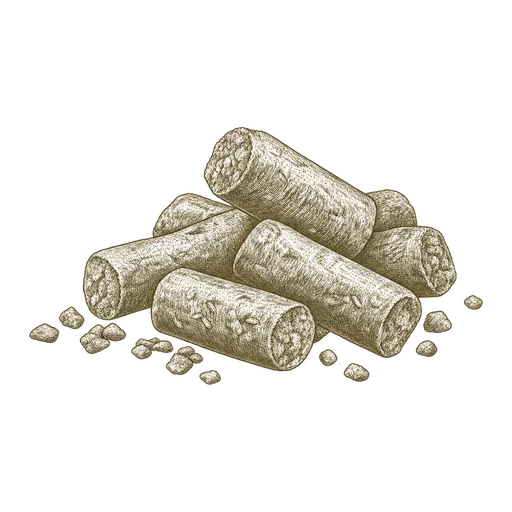
Explore ingredientAlfalfa pellets are ground, compressed forage used in livestock feeding and compound feeds. Compare the drying process, alfalfa material, forage analysis and pellet characteristics to choose a form that fits your ration and receiving setup.
Explore ingredientBeet pulp pellets are a dried, compacted sugar beet co-product used as a fibrous, energy-bearing ingredient in livestock feed. Compare molasses status, lot analysis and pellet handling needs to match the product to your ration and receiving setup.
Explore ingredient