
Oat Flakes or Oat Flour? Choosing a Form for Food Manufacturing
Oat flakes and oat flour differ in physical form and processing. Learn which questions to resolve when matching each form to a food manufacturing process.
Read the guidePractical guides to ingredients, specifications, and the questions worth asking before you buy.
Better ingredients.
Better questions.
Stronger connections.
Oat flakes and oat flour differ in physical form and processing. Learn which questions to resolve when matching each form to a food manufacturing process.
Read the guide
Plan a bulk bone meal order around the offered particle size, packaging, quantity and delivery destination, then check unloading equipment and product-specific storage instructions before confirming the arrangement.
Read the guidePeanut splits can range from kernel halves to smaller fragments. Define piece form, screen distribution and defect criteria separately, and use Virginia Splits only when the lot is represented against the applicable U.S. grade requirements.
Read the guideCompare crystalline and liquid sucrose by looking at dry versus liquid receiving, recipe water balance, the recipe’s ingredient definition and the specifications your process needs.
Read the guideCompare apple pomace analyses on a consistent basis. Learn how moisture, dry matter, crude protein, ADF and energy estimates inform lot-to-lot decisions.
Read the guideAssess brewers dried yeast in animal feed by verifying the product identity, comparing crude protein on a consistent basis, and evaluating the full lot analysis within the target formulation.
Read the guidePlan bulk plum receiving around the exact product form, quantity, packaging, unloading method and destination. Storage instructions should match the plums’ moisture, packaging and preservation treatment.
Read the guideCompare butter products by identity first, then assess milkfat, moisture, formulation details, grade and lot documentation. The right comparison depends on the product form and the requirements of the application.
Read the guideCompare bulk rice by its processing form, written grade definition and the kernel characteristics that matter to your use—not by a grade name alone.
Read the guideA practical receiving and storage guide for bulk instant whey protein isolate 90, covering packaging fit, shipment inspection, moisture and odor protection, and lot-specific date information.
Read the guide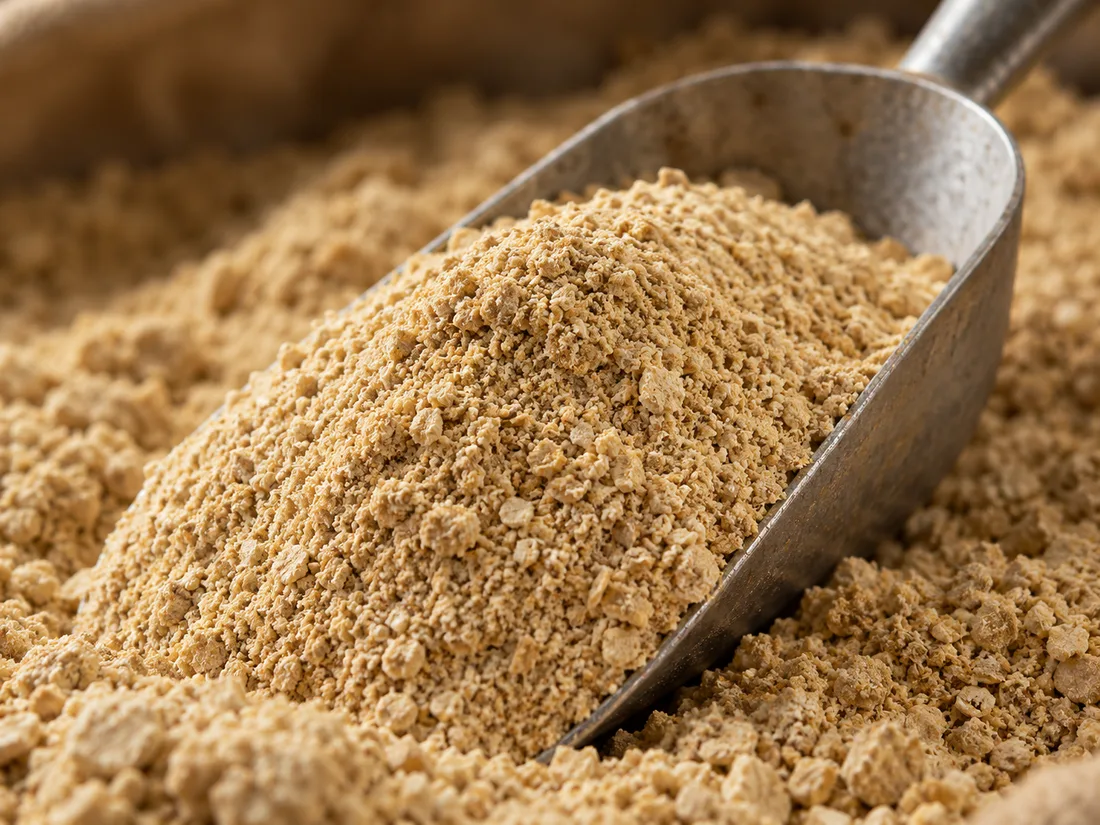
A practical guide to comparing dried distillers grains analyses on a consistent basis, with attention to product identity, moisture, nutrients, minerals and relevant testing.
Read the guideProtein grade alone cannot predict how milk protein concentrate will hydrate, dissolve or withstand beverage heat processing. Define the formulation and process targets, then evaluate product-specific data and performance under representative conditions.
Read the guideExplore ingredient specifications or share your volume, delivery needs, and buying requirements.