Start with the exact yeast product
Brewers dried yeast can contribute nutrients to an animal feed, but the ingredient name alone is not a complete formulation specification. Before assigning it a role, identify what the supplier means by brewers dried yeast and how the material was processed. A dried yeast product is not automatically equivalent to live yeast, yeast culture, or another yeast-derived ingredient.
Those distinctions matter because products made from or containing yeast can differ in composition and intended function. Live yeast is defined by viable organisms; a yeast culture may include fermentation material as well as yeast. Do not transfer evidence or formulation assumptions for either product to dried brewers yeast unless the product identity and evidence match. If viability is relevant to the formulation, require information that addresses it rather than inferring it from the product name.
Use crude protein as one input, not the whole decision
Crude protein is a useful comparison point, but it does not by itself determine how much brewers dried yeast belongs in a feed. First check whether the reported value is on an as-fed or dry-matter basis. Moisture changes the concentration expressed as-fed, so comparing results reported on different bases can make lots appear more different—or more similar—than they are.
Then place the protein result in the context of the complete ration and the rest of the ingredient analysis. Depending on the formulation question, relevant measures may include moisture, fat, fiber, and ash, along with any other parameters required by the nutritionist. The purpose is not to assume a standard profile; it is to understand what the particular lot contributes and what it might displace in the formula.
Build the formulation from lot-specific information
A feed formulator should assess the lot analysis against the intended species, life stage, feed type, and formulation constraints. The analysis should identify the product and state the reporting basis for its values. Review whether the results cover the characteristics that matter to the formula, and whether the figures represent the lot being considered rather than a generic product description.
No universal inclusion rate follows from the ingredient name or a crude-protein value. The appropriate use depends on the complete diet, the target animal, the formulator’s nutrient constraints, and reliable information about the actual ingredient. A species-specific application claim should be supported for the species and product in question; a result for a different yeast preparation is not a substitute.
When comparing offers, use the same analytical basis and comparable measures. If one analysis is reported on a dry-matter basis and another as-fed, ask for values that allow a like-for-like evaluation. If a key result is absent, the gap should remain an open formulation question rather than being filled with an assumed typical value.
Account for physical form and feed manufacture
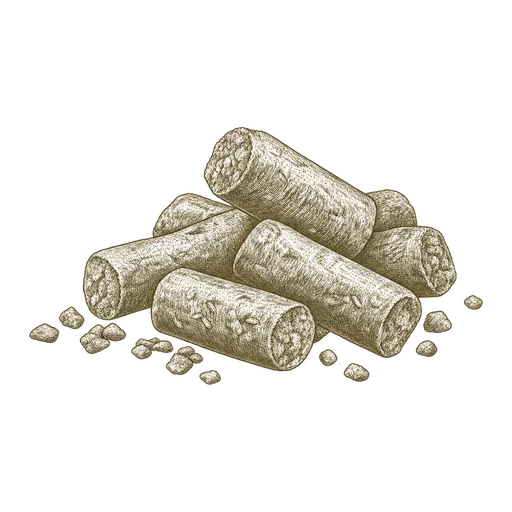
Physical form affects how an ingredient is stored, metered, and incorporated into a feed-making process. Ask whether the offered material is a powder, meal, or another form, and consider whether its particle characteristics work with the plant’s mixing and handling equipment. Do not assume that products with similar names will behave identically in a blend.
The intended manufacturing process also shapes the evaluation. A formulator should consider how the ingredient will be introduced into the mix and what product characteristics could affect uniformity or handling. The supplier’s description and analysis can inform that assessment, but the formula and manufacturing requirements determine whether the lot is suitable.
Make a decision from the formula outward
A practical review starts with the nutritional role the formula needs filled, then tests whether the identified brewers dried yeast lot can meet that role alongside the ration’s other ingredients. Compare the full analysis, confirm the basis of each value, and separate evidence about dried yeast from evidence about live yeast or yeast culture. Keep species-specific and performance claims tied to evidence for the relevant product and use.
Once those requirements are clear, visit the Brewer’s Yeast ingredient page to explore sourcing options. For a useful quote, specify the desired product identity and physical form, quantity and unit, destination, receiving arrangement, and quality-analysis requirements. Availability and commercial terms depend on the specific offer.
Common questions.
Can brewers dried yeast be assigned a standard inclusion rate?+
No single inclusion rate can be inferred from the ingredient name. The formulation depends on the target animal and feed, the complete ration, and the analysis of the specific lot. A qualified formulator should set the rate against those inputs.
Is brewers dried yeast interchangeable with live yeast or yeast culture?+
Not automatically. Live yeast, yeast culture, and dried brewers yeast describe different product characteristics or preparations. Verify product identity and do not apply evidence for one form to another without support for that specific product and use.
Which analysis details help compare brewers dried yeast offers?+
Start with crude protein and confirm whether it is reported as-fed or on a dry-matter basis. Review the full lot analysis for other measures relevant to the formula, such as moisture, fat, fiber, or ash, and check that results correspond to the product being considered.