Grains
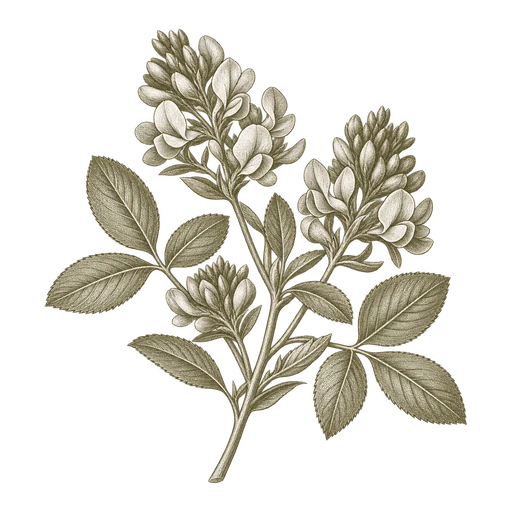
Alfalfa
Alfalfa is a forage legume sourced as hay, silage, meal or pellets for livestock feed. Match the form to receiving and ration needs, then compare a lot-specific analysis on a consistent basis.
Explore ingredientCompare bulk rice by its processing form, written grade definition and the kernel characteristics that matter to your use—not by a grade name alone.
A rice grade only makes sense in the context of the product being bought. Rough rice, also called paddy rice, still has its protective hull; brown rice has had the hull removed but retains its bran layer; white rice has undergone further milling. These forms differ in appearance and processing stage, so their quality criteria are not interchangeable.
For a bulk purchase, specify whether you need rough, brown or milled rice, and whether the target is whole kernels, a defined broken-rice fraction, or a blend. Food processors may prioritize appearance, cooking behavior and consistency through milling or packing. Feed and other processing uses may place more weight on the intended process and acceptable composition of the delivered material. The rice ingredient page is the starting point for sourcing a defined form.
A grade is a classification under a particular standard or commercial specification, not a universal promise about appearance or performance. The same grade name can be insufficient for comparing offers if the applicable standard, rice form and measurement basis are not stated. Buyers should request the actual specification and identify the standard or contract definition behind its terms.
Useful comparison points can include the proportions of whole and broken kernels, foreign material, moisture, and classes of damaged or discolored kernels. Which measures apply—and how they are defined—depends on the product form, destination and applicable grade. Numerical limits should be checked against the offered specification rather than assumed from a grade label.
Broken kernels are fragments rather than whole kernels. Their proportion can affect visual uniformity, packing and processing behavior, which is why buyers should distinguish a product intentionally sold as broken rice from whole-kernel rice that allows some breakage. Milling and screening can change the mix of kernel sizes, so compare the declared fraction and its basis.
Damaged-kernel categories describe condition, not simply size. A specification may distinguish damage or discoloration according to its grade rules; the exact categories and tolerance depend on that definition. Ask what the stated term includes instead of treating all blemishes as equivalent.
Paddy kernels in milled rice are intact rough-rice kernels that remain in the milled product. Their presence matters differently from ordinary broken kernels because they have not been milled to the same form as the surrounding rice. A buyer comparing milled rice should establish whether the specification measures paddy kernels and how the limit is defined.
Red rice can refer to a whole-grain product whose bran gives the kernel a red appearance. That is different from red or discolored kernels appearing as an admixture in a product intended to be white rice. State whether red rice is the intended product or an unwanted color defect; a color description alone cannot settle that distinction.
Chalkiness is an opaque, chalk-like area within a kernel. It is relevant when buyers require a particular translucent appearance or have milling and processing criteria that address chalky kernels. Its importance depends on the product and use, so buyers should look for a stated definition and measurement rather than infer a defect threshold from a visual description alone.
Before comparing bulk rice offers, align the product name, processing stage, grade definition, and method used to assess kernel condition. If rice will be milled further, establish which stage the specification describes and what the buyer expects after processing. If finished-kernel appearance is critical, define the relevant color, chalkiness, damage and broken-kernel measures explicitly.
For a useful quote, provide the rice form and intended use, the required grade or specification, quantity and unit, destination, and receiving method. Include the specific quality measures that matter to your process, and ask for their definitions and measurement basis. These details make competing offers more comparable and give both parties a clearer basis for evaluating a lot.
No single grade name should be assumed to mean the same thing in every offer. The applicable standard, rice form, definitions and measurement basis determine what a grade covers. Compare the written specification and its numerical limits, not the label alone.
No. Red rice is commonly a whole-grain product with red-colored bran, while red or discolored kernels in a white-rice lot may be treated as an admixture or quality defect under the relevant specification. State which product you intend to buy and how color is defined.
Broken describes kernel size or completeness; damaged describes kernel condition under the applicable grade definition. They affect comparison in different ways, and one measure cannot substitute for the other. For bulk rice, specify which categories and limits matter to the intended process.
Focused guides to the specification, application, and delivery questions behind this ingredient.
Plan bulk rice delivery around the product form, receiving setup and storage needs. Rice bran merits additional attention because its oil can begin to degrade after milling.
Read this InsightBroken rice can suit food processing, rice flour milling and brewing when its kernel size and grade fit the operation. Learn how it differs from whole rice, bran and hulls, and what to define before sourcing.
Read this InsightAlfalfa is a forage legume sourced as hay, silage, meal or pellets for livestock feed. Match the form to receiving and ration needs, then compare a lot-specific analysis on a consistent basis.
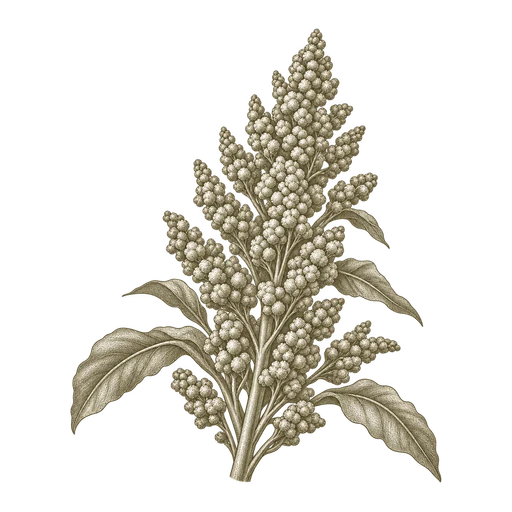
Explore ingredientAmaranth can be sourced as grain, leaf meal or whole-plant forage, and those forms are not interchangeable in feed formulation. Specify the plant material, species and processing method, then compare lot analysis suited to the intended animal and use.
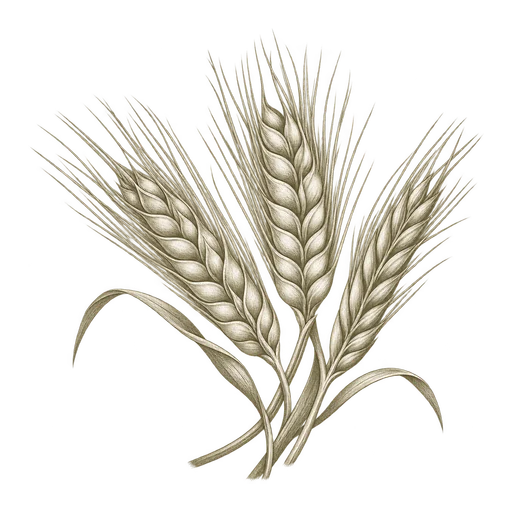
Explore ingredientBarley is a cereal grain used in cattle feed, malting, food and industrial processing. Whole and processed forms serve different needs; identify the intended use, processing state and receiving requirements when sourcing a bulk order.
Explore ingredientBrewers rice is a broken-rice milling fraction used in brewing, fermented products and animal feed. Compare broken, granulated or ground forms and review lot-specific physical and analytical details before sourcing in bulk.
Explore ingredient