Grains
Alfalfa
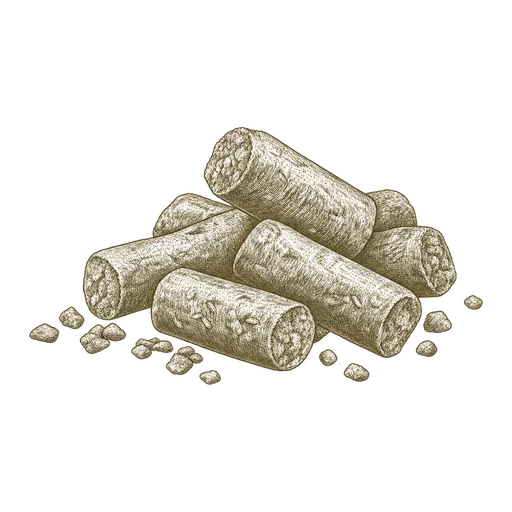
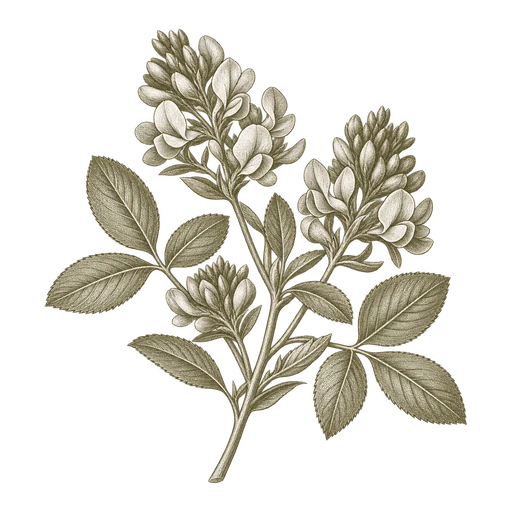
Alfalfa is a forage legume sourced as hay, silage, meal or pellets for livestock feed. Match the form to receiving and ration needs, then compare a lot-specific analysis on a consistent basis.
Explore ingredientOat flakes and oat flour differ in physical form and processing. Learn which questions to resolve when matching each form to a food manufacturing process.
Oat flakes and oat flour begin with oats but enter a food formulation in different physical forms. Flakes are oat groats rolled into thin pieces; flour is oats milled into smaller particles. For a manufacturer, the practical choice is whether the product needs visible pieces or a milled ingredient that can be incorporated as flour.
That distinction is a starting point, not a complete performance prediction. How either form behaves depends on the recipe and manufacturing process, as well as details of the offered product. Define the intended role first, then compare specifications against the process that will use the ingredient.
Flakes retain a recognizable piece structure. That makes them a consideration when the finished food is intended to show oat pieces or when the formulation calls for a flaked ingredient. Flake dimensions and consistency can matter to appearance, portioning, mixing and the finished product’s texture, so a broad label such as “oat flakes” may not answer every manufacturing question.
Oat flour is milled and has a finer physical form than flakes. It is considered when a process calls for a flour rather than visible oat pieces. Particle characteristics can affect how an ingredient fits into a recipe and production system, but the name alone does not establish how it will perform in a particular dough, batter or other food. Avoid assuming that all oat flours are interchangeable without comparing the relevant product details.
Physical form and prior processing are not the same thing. Rolling groats into flakes and milling oats into flour describe how the ingredients are formed; they do not, by themselves, say whether the oats received additional processing. If the manufacturing process depends on a particular treatment or preparation, specify that requirement separately and have it described for the offered product.
This distinction helps prevent a common sourcing mismatch: agreeing on “flour” or “flakes” while leaving a process-critical detail unclear. Make a list of the properties your production actually depends on—such as particle form, consistency, or a defined processing history—rather than assuming those details from the product name.
For products where oat pieces are part of the intended appearance or eating experience, flakes are the more direct form to evaluate. For recipes designed around a milled oat ingredient, flour is the more direct starting point. In either case, assess the ingredient in the context of the full formula: other dry ingredients, the order of addition, mixing equipment and downstream steps can all shape the decision.
A useful evaluation is process-specific. Determine how the form enters the line, what the finished product should look and feel like, and which incoming characteristics must remain consistent from one purchase to the next. Then test against those needs using the actual offered product. Do not treat a successful result with one oat form as proof that another form will behave the same way.
When requesting a quote, name the intended form and state the application clearly: oat flakes for a product requiring pieces, or oat flour for a formulation calling for a milled ingredient. Include the quantity and unit, destination, preferred packaging or receiving setup, and timing so the inquiry describes a real order rather than just an ingredient name.
Ask for the offered product’s specification and review the characteristics relevant to your process. The specific requirements should come from your recipe and production controls; this brief does not establish universal tolerances or functional results for either form. For a broader view of sourcing options, visit the [Oats & Oat Products page](/ingredients/oats-and-oat-products) once you have defined the form your process requires. Product details and commercial terms should be confirmed for the particular offer.
Not automatically. Flakes are rolled oat groats that retain piece form, while oat flour is milled. Choose based on whether the product and process call for pieces or a flour, then assess the offered ingredient in the actual formulation.
It tells you that the oats are in a milled form, but it does not establish every detail of prior processing or the product’s characteristics. State any process-dependent requirement separately and review the offered specification.
Compare the physical form and the product characteristics that matter to your recipe, production method and finished food. Also specify quantity, destination, packaging or receiving needs, and timing. The right technical criteria depend on the application.
Focused guides to the specification, application, and delivery questions behind this ingredient.
Plan oat receiving around the product form, unloading setup, storage conditions and moisture information needed for your process.
Read this InsightA practical guide to interpreting whole-oat grade factors, understanding what lot data do and do not establish, and separating grain grades from specifications for processed oat products.
Read this InsightAlfalfa is a forage legume sourced as hay, silage, meal or pellets for livestock feed. Match the form to receiving and ration needs, then compare a lot-specific analysis on a consistent basis.
Explore ingredientAlfalfa meal is ground forage used in animal feed, with sun-cured and dehydrated processing routes and meal or pellet forms. Compare the offered process, physical form and analysis against the needs of the species and feed formulation.
Explore ingredientAlfalfa pellets are ground, compressed forage used in livestock feeding and compound feeds. Compare the drying process, alfalfa material, forage analysis and pellet characteristics to choose a form that fits your ration and receiving setup.
Explore ingredientAlmond hulls are the dried outer layer of the almond fruit, sourced for ruminant feed as hull-only material or as a hull-and-shell mixture. Compare the lot’s composition, physical form, and handling needs before arranging a bulk shipment.
Explore ingredient