
Receiving and storing corn gluten feed pellets
A practical receiving and storage guide for corn gluten feed pellets, focused on gravity-fed flow, unloading compatibility and moisture management around metal storage equipment.
Read the guide
Practical guides to ingredients, specifications, and the questions worth asking before you buy.
Better ingredients.
Better questions.
Stronger connections.
A practical receiving and storage guide for corn gluten feed pellets, focused on gravity-fed flow, unloading compatibility and moisture management around metal storage equipment.
Read the guideHydrated vital wheat gluten can contribute protein and binding in extruded fish feed, but pellet performance and nutritional suitability depend on the complete formulation and process.
Read the guideA practical guide to defining pearled barley by processing description, kernel dimensions, moisture, broken kernels and foreign material—and matching lot documentation to your food process.
Read the guidePrepare for bulk flaxseed delivery by aligning packaging and unloading with your facility, reviewing lot condition and arranging clean, appropriate storage.
Read the guideCompare whole kernels, splits and smaller raw peanut pieces for bird food blends, and match the form to the finished product’s appearance and mixing process.
Read the guideBeet pulp shreds can contribute fiber and dietary energy to a horse’s ration. Learn how to discuss their role and soaking with an equine nutrition professional before defining a bulk sourcing requirement.
Read the guideCottonseed hulls can contribute roughage in some high-concentrate beef diets or replace part of the forage-fiber contribution in dairy rations. Their low protein and effect on whole-ration energy balance make the intended use and cattle class central to the decision.
Read the guideParticle size and shell content distinguish hazelnut meal from kernels and pieces in bakery formulation. Learn what to define when comparing ground forms and composition information.
Read the guide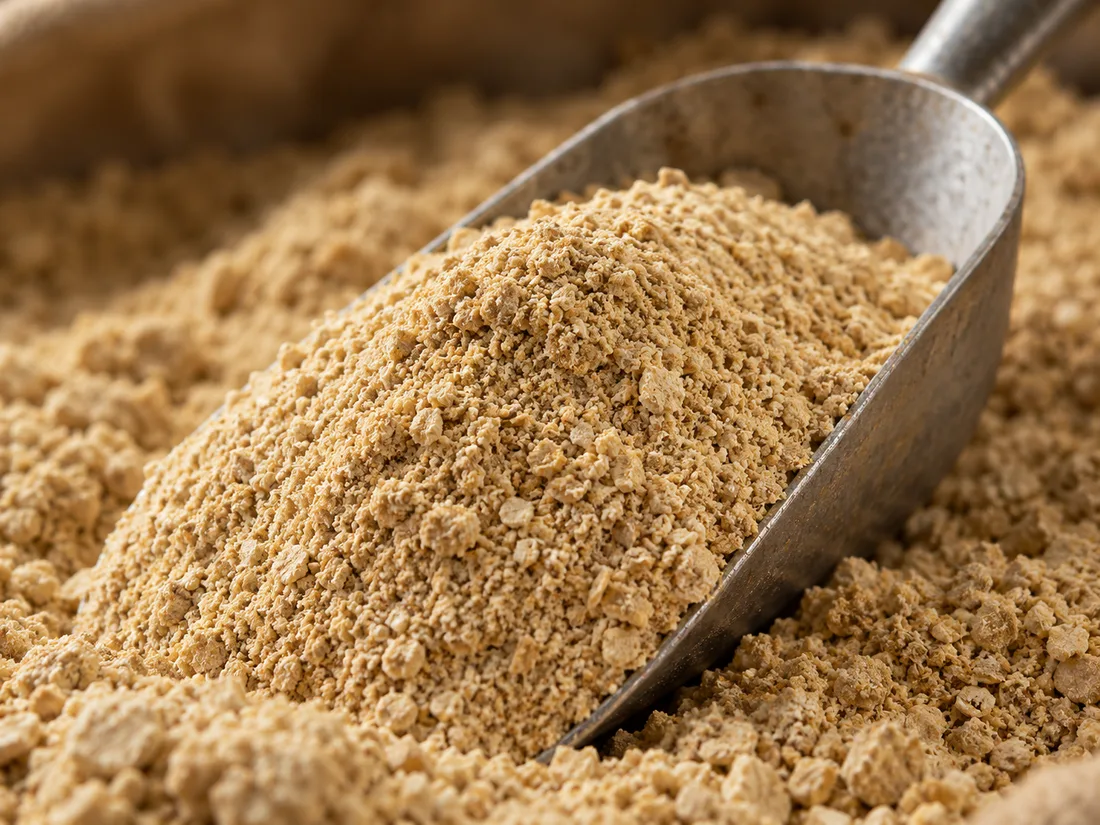
A practical guide to comparing dried distillers grains analyses on a consistent basis, with attention to product identity, moisture, nutrients, minerals and relevant testing.
Read the guideAssess brewers dried yeast in animal feed by verifying the product identity, comparing crude protein on a consistent basis, and evaluating the full lot analysis within the target formulation.
Read the guideTomato pomace can differ substantially by form and by the mix of peel, seed and pulp. Learn how moisture, fiber analysis and the complete ration shape its evaluation for ruminant feed.
Read the guidePlan bulk split green peas receiving around the site’s quantity, timing, packaging, unloading, and dry-storage needs. Moisture protection, sanitation, and lot-specific handling information help operations receive and store the ingredient appropriately.
Read the guideExplore ingredient specifications or share your volume, delivery needs, and buying requirements.