Grains
Alfalfa
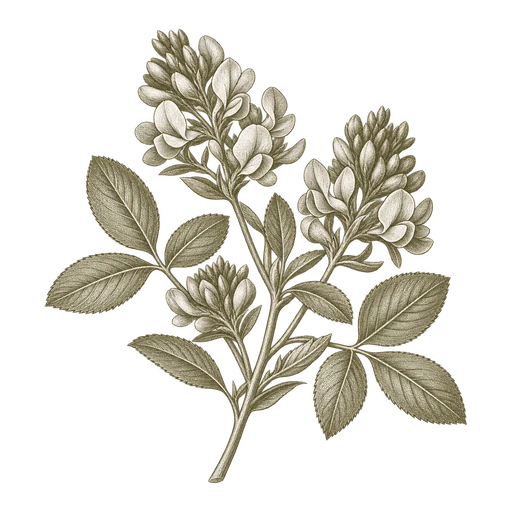
Alfalfa is a forage legume sourced as hay, silage, meal or pellets for livestock feed. Match the form to receiving and ration needs, then compare a lot-specific analysis on a consistent basis.
Explore ingredientA practical guide to defining pearled barley by processing description, kernel dimensions, moisture, broken kernels and foreign material—and matching lot documentation to your food process.
“Pearled barley” describes barley kernels polished to remove some or most of their outer bran layers. The term does not, by itself, define how much material has been removed. Processing degree can affect kernel appearance and cooking behavior, so a description such as “lightly pearled” or “fully pearled” should be paired with a clear product definition agreed between buyer and supplier.
Distinguish pearled barley from hulled barley. In hulled barley, the inedible outer hull is removed while much of the bran remains; pearling removes additional outer layers. If a recipe, process or finished-product appearance depends on that difference, name the required form directly rather than relying on “barley” alone.
For a useful specification, state the intended processing description and how it will be assessed—such as an agreed product description, visual criteria or another defined method. There is no single universal pearling level implied by the product name. Ask for the lot description and the basis used to identify the finished kernels.
Kernel size is more useful when the specification says how it is measured. A screen or sieve size describes which kernels pass through or remain on specified openings; length, width or thickness measurements describe different dimensions. These measures are not interchangeable, so select the one connected to your process.
Size consistency can matter when kernels need to cook at a similar rate, present uniformly in a packaged food, or move reliably through feeding and portioning equipment. Define whether the requirement concerns a size distribution or a particular screen fraction, and specify the sampling and measurement method. A single average can conceal a mixture of small and large kernels.
Broken kernels should be addressed separately from size. State what counts as broken, how the fraction is measured and what limit the process can tolerate. Smaller fragments may hydrate and cook differently from intact kernels and can change the appearance or texture of a finished product. The appropriate tolerance depends on the application, not on a universal threshold.
Moisture is a useful quality and handling measure because it relates to the condition of the grain at receipt and its behavior in storage and processing. Specify the reporting basis and test method, then set a limit suited to your process and storage plan. Without a stated basis, results may not be directly comparable.
Define foreign material in terms that fit your operation. Buyers may need to distinguish non-barley material from barley kernels, broken pieces or other defects rather than combining them into one broad category. State the inspection or analytical method and the acceptable limit; the key issue is whether unwanted material could disrupt equipment, affect the finished product or require additional cleaning.
These measures work best as part of a complete lot specification. A moisture result cannot describe kernel size or purity, and a general cleanliness statement does not replace defined limits for foreign material and broken kernels.
Ask for a specification sheet or lot analysis that identifies the product as pearled barley and reports the agreed criteria: processing description, kernel dimensions or screen distribution, moisture, broken kernels and foreign material. For each result, the document should make the units, test method and reporting basis clear where applicable.
Also ask how the lot was sampled and whether the reported values are lot-specific. A test result is most useful when its sampling basis and method match the requirement in your purchase specification. If you need a particular processing description or analytical method, put it in the written requirement before comparing offers.
Keep acceptance criteria distinct from the test results. The specification states what your process requires; the lot document reports what was measured. Comparing both side by side helps identify whether an offer fits your food process without assuming that a supplier’s standard description matches your needs.
Before requesting a quote, identify how the barley will be used: for example, as an intact cooked grain, in a prepared food, or as an ingredient that will be milled or further processed. Then choose the pearling description, size measure, broken-kernel tolerance, moisture basis and foreign-material criteria that affect that use. Avoid adding limits that do not change the process; unnecessary criteria can make offers harder to compare.
The [Pearled Barley page](/ingredients/pearled-barley) is the natural next step for sourcing. When discussing a bulk order, share the specification, quantity and unit, destination, timing, packaging preference and receiving constraints so the offer can be evaluated against the actual requirement. Offered lot details and commercial terms are supplier-dependent.
No. The term identifies barley that has been polished to remove outer layers, but it does not set one universal processing degree. State the required description and how it should be assessed.
Use the measure tied to your process. A sieve describes a screen fraction, while length, width and thickness describe separate kernel dimensions. State the measurement method and, when uniformity matters, define the distribution rather than relying only on an average.
Request the product description and results for the criteria in your purchase specification, such as kernel size, moisture, broken kernels and foreign material. Clear units, methods, reporting basis and sampling information make those results easier to compare.
Focused guides to the specification, application, and delivery questions behind this ingredient.
Plan bulk pearled barley receiving around the material, site capacity and storage protections. Define the quantity, destination, packaging and unloading needs, then keep the grain dry, clean and identifiable after receipt.
Read this InsightPearling affects barley’s kernel, cooking behavior and nutrient retention. Learn how to evaluate the form for cooked dishes and when its distinct texture can suit a rice-style application.
Read this InsightAlfalfa is a forage legume sourced as hay, silage, meal or pellets for livestock feed. Match the form to receiving and ration needs, then compare a lot-specific analysis on a consistent basis.
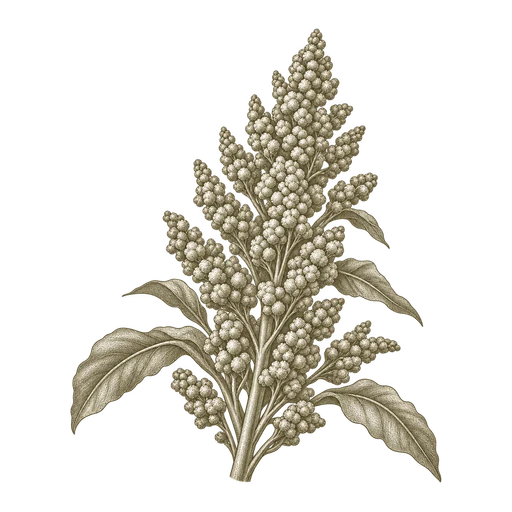
Explore ingredientAmaranth can be sourced as grain, leaf meal or whole-plant forage, and those forms are not interchangeable in feed formulation. Specify the plant material, species and processing method, then compare lot analysis suited to the intended animal and use.
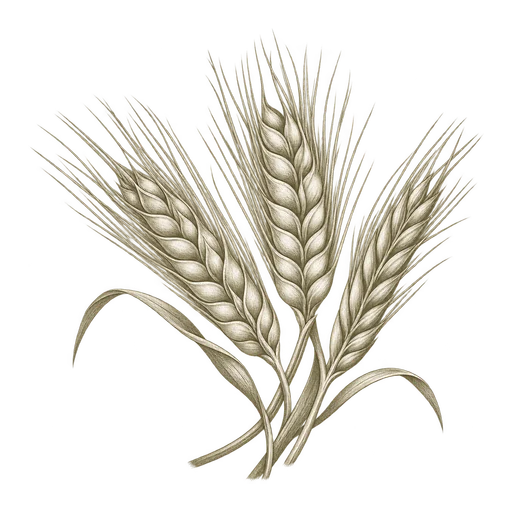
Explore ingredientBarley is a cereal grain used in cattle feed, malting, food and industrial processing. Whole and processed forms serve different needs; identify the intended use, processing state and receiving requirements when sourcing a bulk order.
Explore ingredientBrewers rice is a broken-rice milling fraction used in brewing, fermented products and animal feed. Compare broken, granulated or ground forms and review lot-specific physical and analytical details before sourcing in bulk.
Explore ingredient