Grains
Alfalfa
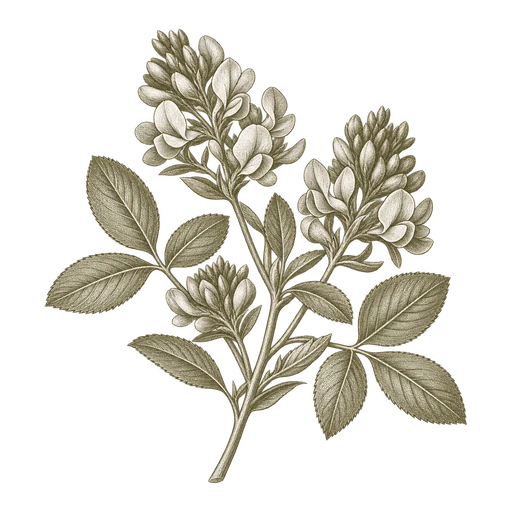
Alfalfa is a forage legume sourced as hay, silage, meal or pellets for livestock feed. Match the form to receiving and ration needs, then compare a lot-specific analysis on a consistent basis.
Explore ingredientCompare whole-kernel popcorn with already-popped product and assess the moisture, integrity, performance data and appearance that matter to your snack process.
For snack production that includes popping, buy whole-kernel popcorn: the kernels are the raw material that expands under heat. Already-popped popcorn is a finished or partly finished snack base. It skips the popping step, but its size, texture and condition are already shaped by someone else’s process.
The distinction affects more than convenience. With whole kernels, your line controls the popping conditions and can add oil, salt or seasonings at a later stage. With popped popcorn, you are instead evaluating an expanded product for coating, blending, packing or resale. Specify which form you need when requesting a quote; the two are not interchangeable ingredients.
Popcorn is a type of corn whose intact kernel can build pressure when heated. Moisture inside the kernel becomes steam; pressure rises beneath the outer hull until the kernel ruptures and the heated starch expands. Moisture condition is therefore closely connected to whether kernels pop and how they expand.
A moisture result is useful only when you know what it represents. Ask for the measurement basis and lot information, then compare it with the needs of your process. A number by itself does not guarantee popping performance: kernel variety, condition, handling and the popping method also matter. Excessively dry or otherwise poorly conditioned kernels can perform differently from sound kernels, so do not treat moisture as the only acceptance measure.
Physical integrity matters for the same reason. Cracked or damaged kernels can release steam before pressure builds effectively, while foreign material can complicate cleaning and processing. Inspect the offered product’s description and quality information for kernel condition, broken material and foreign matter, and consider whether your receiving or cleaning equipment can manage them.
Processors may compare popping expansion, the increase in volume after popping, and the share of kernels that remain unpopped. These measures help describe performance, but results depend on how the sample is conditioned and popped. A supplier figure from one test setup may not predict output on a different machine or process.
For a useful comparison, request the test method and compare samples under consistent conditions. If performance is central to the product, a production-scale trial can show how the kernels behave on your own equipment. Treat laboratory or supplier results as comparison data, not a performance guarantee.
Kernel color and popped-product color are separate considerations. Kernel appearance can help define the look of the raw material, while the popped product’s appearance also depends on the kernel and processing conditions. If color matters to a branded snack, describe the desired appearance and assess a representative sample after popping rather than relying on a kernel description alone.
Whole-kernel popcorn is not the same as a seasoned popcorn blend. Oil, salt and flavorings may be applied as part of a processor’s own formulation; they are not implied by a request for kernels. Clarify whether you need plain whole kernels, popped popcorn, or a prepared product containing added ingredients. For a flavored product, ingredient declarations, allergen controls and processing details must be evaluated for the actual offer and intended use.
A practical request should identify whole-kernel popcorn for popping, the quantity and unit, delivery destination, required timing and receiving method. Add the quality details that influence your line: moisture measurement basis, kernel integrity, foreign material, color expectations and any popping-performance test data you need for comparison.
Describe the popping equipment or process when asking about test results, and state whether your product will be plain or receive oil and seasonings downstream. Exact analyses, packaging and commercial terms depend on the particular offer. For the ingredient page and sourcing route, see [Popcorn](/ingredients/popcorn).
Buy whole-kernel popcorn when your operation will pop the kernels and control the subsequent seasoning or coating. Choose already-popped popcorn when you need an expanded snack base and do not intend to run the popping step.
Moisture inside an intact kernel helps create the steam pressure that drives popping and expansion. Ask how moisture was measured, and compare the result alongside kernel condition and popping-test information rather than treating it as a guarantee.
Measures such as expansion and the share of unpopped kernels can help compare samples. Their usefulness depends on the test method and conditions, so request those details and compare results produced on a consistent basis.
Focused guides to the specification, application, and delivery questions behind this ingredient.
Plan bulk popcorn receiving and storage to limit moisture change and kernel damage, and match unloading and aeration practices to the facility.
Read this InsightCompare popcorn moisture, popping performance and kernel condition using clearly defined sample bases and test methods.
Read this InsightAlfalfa is a forage legume sourced as hay, silage, meal or pellets for livestock feed. Match the form to receiving and ration needs, then compare a lot-specific analysis on a consistent basis.
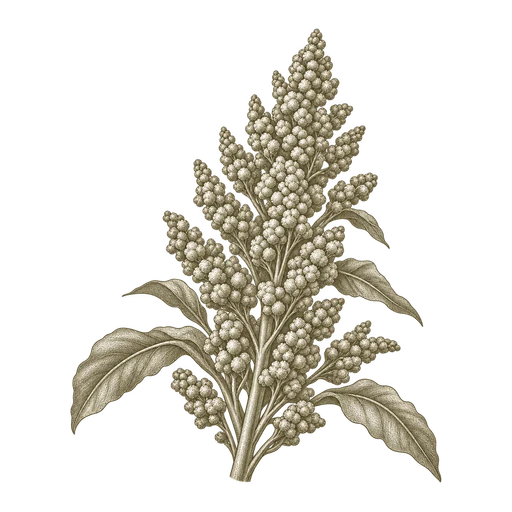
Explore ingredientAmaranth can be sourced as grain, leaf meal or whole-plant forage, and those forms are not interchangeable in feed formulation. Specify the plant material, species and processing method, then compare lot analysis suited to the intended animal and use.
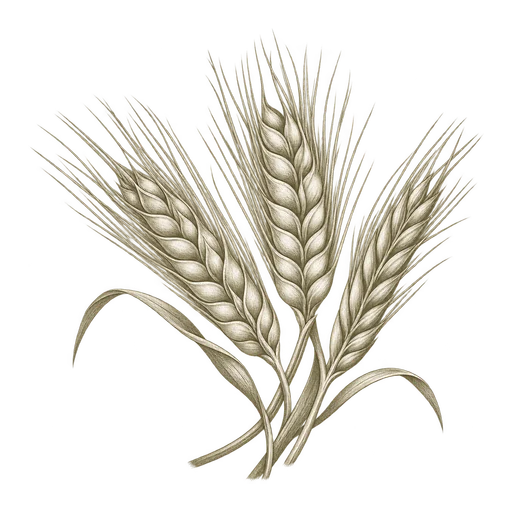
Explore ingredientBarley is a cereal grain used in cattle feed, malting, food and industrial processing. Whole and processed forms serve different needs; identify the intended use, processing state and receiving requirements when sourcing a bulk order.
Explore ingredientBrewers rice is a broken-rice milling fraction used in brewing, fermented products and animal feed. Compare broken, granulated or ground forms and review lot-specific physical and analytical details before sourcing in bulk.
Explore ingredient