Grains
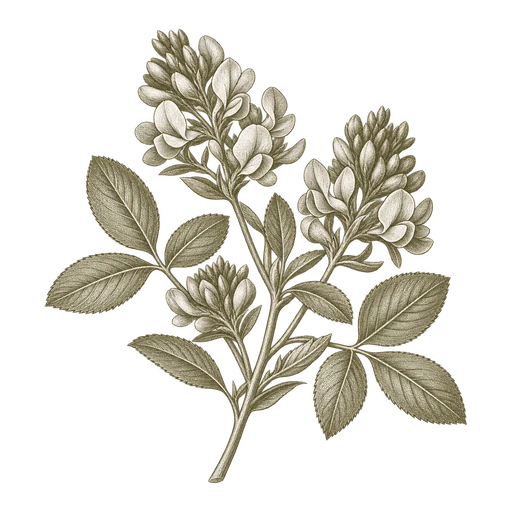
Alfalfa
Alfalfa is a forage legume sourced as hay, silage, meal or pellets for livestock feed. Match the form to receiving and ration needs, then compare a lot-specific analysis on a consistent basis.
Explore ingredientCompare popcorn moisture, popping performance and kernel condition using clearly defined sample bases and test methods.
For whole-kernel popcorn, moisture content, popping performance and kernel condition answer different quality questions. Moisture describes water in the kernel; a popping test shows how a sample performs under a particular set of conditions; visual and physical checks reveal damage or foreign material that can affect handling and results. A useful comparison considers all three rather than treating one result as a complete quality measure.
Ask how each result was obtained. A moisture percentage needs a stated basis, such as wet basis (water as a share of the sample’s total weight) or dry basis (water relative to the dry matter). Results reported on different bases are not directly interchangeable. The report should also identify the sampling and measurement method, since a test on a small, unrepresentative handful may not describe a bulk lot.
When heated, water inside a popcorn kernel contributes to the pressure that expands its starchy interior. The kernel’s hull contains that pressure until it ruptures. A kernel that is too dry or has a damaged hull may not perform like an intact kernel with moisture suited to the popping process. However, moisture alone does not determine the outcome: kernel structure, damage and heating conditions also matter.
Published moisture guidance can help frame a discussion, but it is not automatically a commercial acceptance specification. Do not compare a supplier’s result with a published figure unless the moisture basis and test approach are clear and relevant to your process. Set any acceptance target against your own product requirements and the method used to verify it.
A popping result is only comparable when the procedure and calculation match. Ask whether the result is expressed as popped volume per starting weight, as a ratio, or by another measure. Clarify how the starting sample is measured, how popped volume is read, and whether unpopped kernels are included or reported separately.
The test conditions matter too. Heating equipment, batch size, heating time and preparation can change the result. A high popping figure from one protocol cannot be assumed to predict performance in a different machine or production setup. For procurement comparisons, use the same stated method for each sample and treat the result as a measure of performance under that test—not as an unconditional guarantee of finished-product yield.
Look beyond moisture and expansion figures to kernel integrity. Cracked or visibly damaged kernels may lose the ability to retain pressure during heating. Broken pieces and foreign material can also affect sample consistency, handling and the interpretation of a popping test. Note whether the sample was cleaned or otherwise prepared before testing.
For a representative comparison, define how samples are drawn from the lot and how they are handled before testing. Keep the sample identity, moisture basis, test method and popping result together. If results vary between samples, the variation is useful information: it can point to uneven lot condition or differences in sampling and test setup.
Start with the outcome your operation needs: repeatable popping, a particular finished-product format or performance in a specific popping system. Then decide which measures you will use to compare lots and what method will generate them. A clear specification should name the characteristic, measurement basis and test procedure, rather than listing a bare moisture percentage or popping ratio.
When sourcing [popcorn](/ingredients/popcorn), share the quality target alongside the intended process. Ask for results with their test basis and method, and compare like with like. This makes it easier to assess whether a kernel lot fits your production needs without treating general published guidance as a guaranteed offer specification.
No. Moisture is an important comparison point, but hull condition, kernel structure, sample condition and heating procedure also affect popping results. Compare moisture with a clearly defined popping test and a check of kernel integrity.
Results depend on how the sample is heated and how expansion is calculated. Compare samples tested under the same procedure, and clarify the starting sample basis, the reported measure and how unpopped kernels are handled.
No. Published guidance is not automatically an acceptance target for a commercial lot. The moisture basis and measurement method must be clear, and the target should suit the buyer’s process and agreed quality requirements.
Focused guides to the specification, application, and delivery questions behind this ingredient.
Plan bulk popcorn receiving and storage to limit moisture change and kernel damage, and match unloading and aeration practices to the facility.
Read this InsightCompare whole-kernel popcorn with already-popped product and assess the moisture, integrity, performance data and appearance that matter to your snack process.
Read this InsightAlfalfa is a forage legume sourced as hay, silage, meal or pellets for livestock feed. Match the form to receiving and ration needs, then compare a lot-specific analysis on a consistent basis.
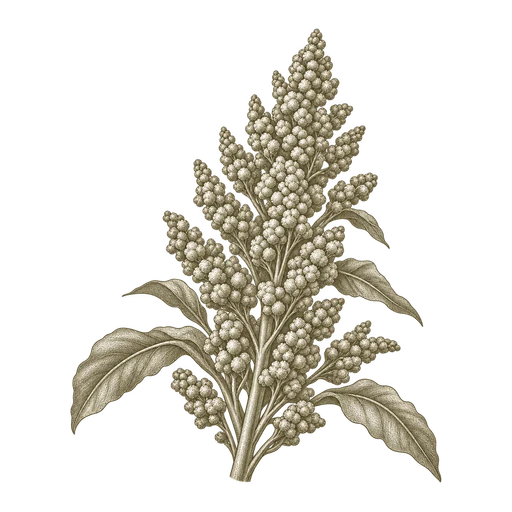
Explore ingredientAmaranth can be sourced as grain, leaf meal or whole-plant forage, and those forms are not interchangeable in feed formulation. Specify the plant material, species and processing method, then compare lot analysis suited to the intended animal and use.
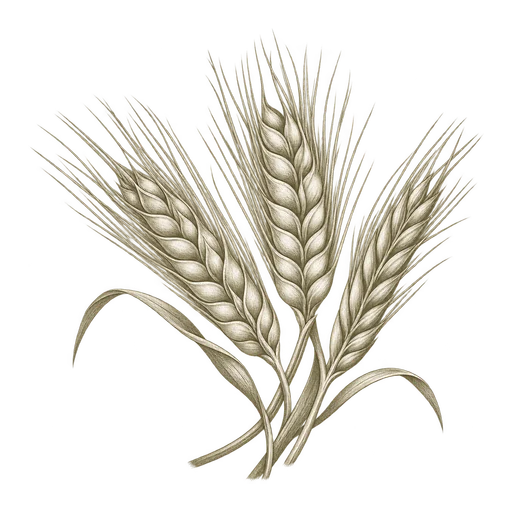
Explore ingredientBarley is a cereal grain used in cattle feed, malting, food and industrial processing. Whole and processed forms serve different needs; identify the intended use, processing state and receiving requirements when sourcing a bulk order.
Explore ingredientBrewers rice is a broken-rice milling fraction used in brewing, fermented products and animal feed. Compare broken, granulated or ground forms and review lot-specific physical and analytical details before sourcing in bulk.
Explore ingredient