Why extraction method changes the comparison
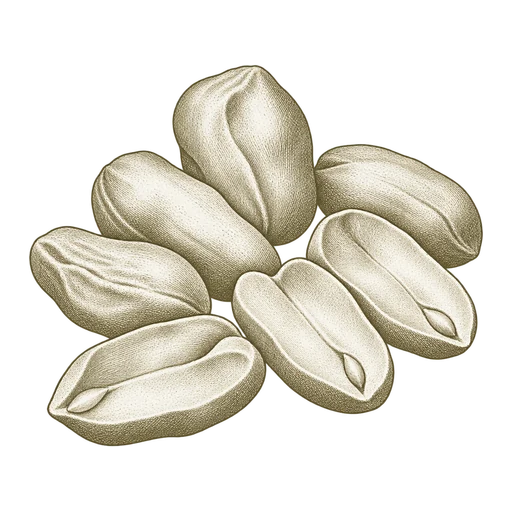
Peanut meal is the protein-containing material left after oil is removed from peanuts. Mechanical pressing and solvent extraction separate oil differently, so the resulting meals can differ in residual oil and in the relative proportions of other measured components.
Mechanical pressing typically leaves more residual oil than solvent extraction. That can show up as a higher crude fat or ether extract result. When more oil remains in the meal, it also makes up more of the sample’s total weight, so protein and other components may represent a smaller share by proportion. This is a compositional effect, not proof that one meal has a particular protein value or is better for every formulation.
Extraction method is a useful first comparison, not a substitute for a current lot analysis. Processing conditions and the material entering the process can vary. Compare the reported values themselves, using the same analytical terms and reporting basis, before deciding whether two offers meet the same formulation need.
Read protein and fat together
Crude protein is a central measure when evaluating peanut meal as a feed ingredient, but it should not be read in isolation. Consider it alongside crude fat or ether extract: the fat result helps show how much residual oil remains and gives context for differences in the percentages of protein and other constituents.
Crude fat and ether extract are laboratory measures of extractable material, but the terms and methods on the report matter. Do not assume that results produced by different methods are directly interchangeable. When comparing offers, use the same stated measure where possible and ask the laboratory or supplier to clarify the method if the terminology differs.
A higher protein percentage on one report does not, by itself, identify extraction method or establish overall suitability. Check whether the reports use the same basis, then review fat, fiber and moisture as part of the same comparison.
Interpret fiber and hull content
Fiber results help describe differences in the non-oil portion of peanut meal. Crude fiber, neutral detergent fiber (NDF) and acid detergent fiber (ADF) are distinct measures; one should not be substituted for another when a formulation or specification calls for a particular result. Compare like with like, and record the exact fiber measure used.
Hull content can affect both the fiber profile and the proportions of other components. More hull material generally contributes more fibrous material and can change the meal’s composition by weight. If hull content matters to your formulation, handling or purchasing specification, seek a stated value or a clear description of how it is assessed rather than inferring it from a single fiber result.
Put moisture and reporting basis on equal footing
Moisture changes how much dry ingredient is represented in a delivered quantity and affects the interpretation of nutrient percentages reported as received. An as-fed result describes the sample in its current moisture condition. A dry-matter result expresses the component relative to the dry portion, making it easier to compare samples with different moisture levels.
To convert an as-fed concentration to a dry-matter concentration, divide the as-fed result by the dry-matter fraction. The dry-matter fraction is one minus the moisture fraction, with both expressed as decimals. For example, use the moisture result from the same analysis rather than applying a typical or assumed value.
Do not compare one offer’s as-fed protein directly with another offer’s dry-matter protein. Keep the original reported values, note the basis beside each one, and make any conversion consistently across the analysis.
Build a like-for-like comparison before sourcing
A practical comparison sheet should record extraction method when known; crude protein; crude fat or ether extract; the specified fiber measure; moisture; hull content if relevant; and whether each result is as-fed or dry matter. Include the laboratory method or report terminology where available. This makes it easier to distinguish a real compositional difference from a difference in reporting.
For a bulk purchase, define which measures are required for your formulation and which are informational. Request the current lot analysis for the material being offered, and have numerical comparisons checked against that analysis rather than treating published or historical examples as specifications for a shipment. Once your required analysis and basis are clear, visit the Peanut Meal page to pursue sourcing.
Common questions.
Does solvent-extracted peanut meal always have more protein than mechanically pressed meal?+
No universal protein value follows from the extraction method alone. Solvent extraction typically removes more residual oil, which can change the relative percentages of protein and other components, but the lot analysis is needed to compare actual offers.
Can I compare crude fiber, NDF and ADF as the same specification?+
No. They are different fiber measures and are not interchangeable. Compare the same stated measure across reports, or have the required measure clarified before using the analysis in a formulation.
How should I compare peanut meal reported on different moisture bases?+
First identify whether each value is as-fed or dry matter. Use each sample’s reported moisture to convert values to a common basis, and do not compare percentages on different bases as though they were equivalent.