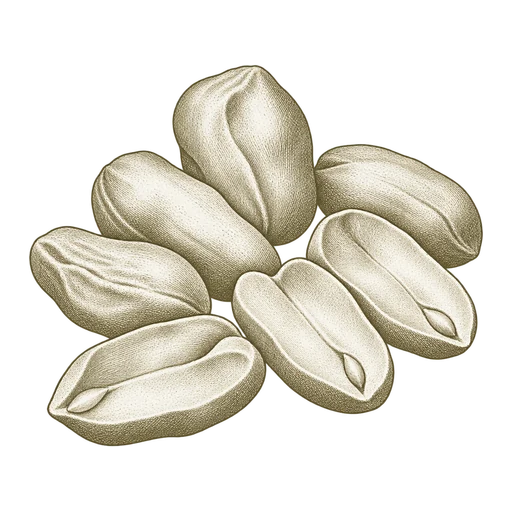
Evaluate peanut meal as a complete nutrient package
Peanut meal can contribute protein to a swine ration, but its value is not captured by a protein figure alone. A nutritionist should evaluate the meal’s protein, fiber, residual oil and amino-acid profile together, then consider how those characteristics fit the rest of the diet. The right comparison is between the nutrients the ration needs and the nutrients the ingredient supplies—not simply between labels on two protein meals.
Peanut meal is produced after oil is removed from peanuts. Its composition therefore depends in part on the material and processing behind the meal. Offers may differ in residual oil and other measured characteristics, so an analysis for the specific product is more useful than a generic book value when making a formulation decision.
Protein and amino acids are related, but not interchangeable measures
Crude protein describes a broad protein measure; it does not show how much of each amino acid is present or available to the pig. For formulation, compare the amino-acid information relevant to the diet and use the same basis when comparing ingredients. Where digestible amino-acid values are used in the ration, ensure the data being compared are reported on a compatible basis rather than treating total amino acids and digestible values as equivalent.
This distinction is one reason peanut meal should not be substituted for another protein meal on equal weight or equal crude-protein terms alone. Differences in amino-acid balance can change the ration’s contribution of individual nutrients, even when two ingredients appear similar by protein percentage. The nutritionist must account for the whole diet, including other protein ingredients and any amino acids supplied separately.
Fiber and residual oil affect the ration beyond protein
Fiber contributes to the ingredient’s overall composition and can affect the energy value assigned to it in a swine formulation. A higher fiber measurement is not simply another protein number: it changes how the ingredient fits the ration’s energy and fiber balance. Compare the reported fiber measure consistently and consider it alongside the other ingredients, rather than assuming a meal with more protein necessarily provides more usable energy.
Residual oil also matters because it contributes energy. A meal with a different residual-oil level may therefore have a different energy contribution, even if its protein figure is close to another offer. Fiber and oil should be assessed together with the analytical basis and formulation system being used; neither characteristic by itself determines whether the ingredient belongs in a particular ration.
Build the comparison around the animal and the complete diet
A swine diet is formulated for its intended animals and production purpose, not for an ingredient in isolation. Nutrient requirements and the role of each ingredient can differ with animal stage, so a formulation example for one group should not be carried over automatically to another. The nutritionist should set the relevant dietary targets first, then assess peanut meal against those targets and the existing ration.
A practical comparison starts with a representative analysis for the peanut meal under consideration. Review protein, fiber, residual oil and amino-acid data, checking that units and reporting bases are clear. Then account for the ingredient’s energy and amino-acid contributions in the complete formulation. If any essential information is absent or reported in a form that cannot be reconciled with the formulation system, the comparison is incomplete.
Translate formulation needs into a purchasing specification
Before sourcing, identify which product analysis the nutritionist needs and whether the intended formulation depends on particular measures or reporting bases. Communicate the required peanut meal form, quantity and destination along with those quality requirements. This lets a buyer compare offers against the formulation’s actual inputs, rather than choosing on a protein label alone.
Once those requirements are defined, visit the [Peanut Meal sourcing page](/ingredients/peanut-meal) to explore sourcing options. Any formulation example, inclusion decision or animal-stage recommendation should be based on the actual ingredient analysis and reviewed for the intended ration; no universal substitution rate follows from the ingredient name.
Common questions.
Can peanut meal replace another protein meal one-for-one in a swine diet?+
Not reliably by weight or crude protein alone. Compare the ingredients’ amino-acid profiles, fiber, residual oil and energy contributions, then reformulate the complete ration for its intended animals.
Why does residual oil matter when evaluating peanut meal?+
Residual oil contributes energy, so differences in oil content can affect the energy value assigned to the meal. Evaluate it alongside protein and fiber using the analysis for the product being considered.
What analysis should a nutritionist review for peanut meal?+
At minimum, consider protein, fiber, residual oil and amino-acid information, with clear units and reporting bases. The nutritionist can determine whether additional analysis or digestibility data are needed for the formulation method and intended animals.