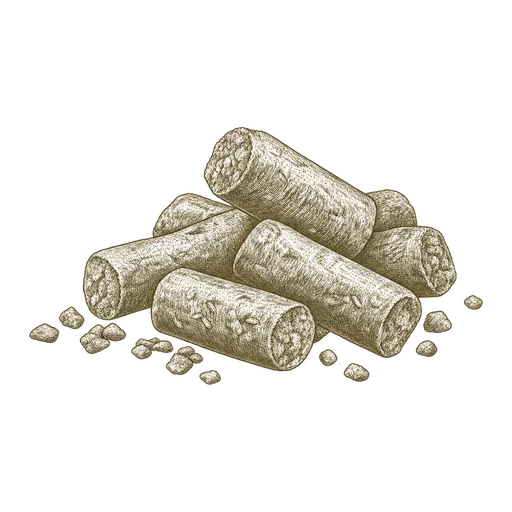
Start with the receiving setup
Bulk pea hull fiber receiving works best when the product’s offered package and delivery arrangement match the equipment and space at your facility. Before placing an order, identify how material will arrive, where it will be unloaded, and how it will move from the receiving point into storage or production. Do not assume a standard package or delivery mode: those details depend on the offer.
Give the supplier or broker your required quantity and unit, delivery destination, preferred timing, and receiving constraints together. Note whether your site can unload the packaging being offered, any access or scheduling limits, and whether the ingredient will go directly to a production area or into storage first. Those details help determine whether a proposed arrangement is workable.
Match packaging to unloading equipment
Ask for the specific packaging format and the unloading method associated with the offer. Then compare them with the equipment your facility actually has, such as the means to handle packaged material or transfer bulk product. A mismatch can create delays, extra handling, or the need to arrange a different receiving plan.
Check practical constraints before confirming the order: available dock or unloading access, equipment compatibility, receiving hours, and space to stage the shipment. If pea hull fiber will be transferred into a bin or process line, consider the path from unloading to that point and whether your normal handling setup can accommodate the offered form. Packaging and unloading should be agreed as one plan, not treated as separate assumptions.
Keep storage clean and dry
Pea hull fiber is a dry plant ingredient, so protect it from moisture and contamination during storage and handling. Keep the designated storage area clean and dry, and avoid exposure to leaks, wet floors, condensation, or other materials that could contaminate the product. Use handling practices that keep opened or transferred material protected from the surrounding environment.
Plan storage capacity before the shipment arrives. Make sure there is room for the quantity ordered and a practical route for moving it into storage without unnecessary exposure or mixing with other ingredients. If material will be held before use, use a clear identification and stock-rotation process so older receipts are not overlooked.
Treat shelf life as a lot-specific term
There is no universal shelf-life period to apply to every bulk pea hull fiber offer. Ask for the shelf-life or best-use information that applies to the specific lot, along with any storage conditions tied to that term. This is especially important when expected use is spread over time or the ingredient will be stored before entering production.
Also ask what product identity and quality information will accompany the lot, and what handling conditions should be maintained after receipt. Keep the relevant lot information with your receiving records so operations and quality teams can connect the delivered material to its stated terms. Do not substitute a general storage assumption for the supplier’s product-specific guidance.
Coordinate the order before dispatch
A complete receiving brief makes a bulk order easier to evaluate: specify the required pea hull fiber form or grade, quantity and unit, destination, timing, packaging needs, unloading capabilities, storage plan, and any required lot documentation or shelf-life terms. If a condition is essential—for example, a particular package type or receiving window—state it before commercial terms are finalized.
Use the [Pea Hull Fiber page](/ingredients/pea-hull-fiber) to connect your quantity, destination, and receiving requirements with a sourcing inquiry. Packaging, freight arrangements, timing, and lot-specific terms must be established for the actual offer; the right plan is the one your facility can receive and store as intended.
Common questions.
Is pea hull fiber supplied in a standard bulk package?+
Do not assume one standard package. Ask what packaging is offered for the specific order, then match it to your unloading equipment, staging space, and storage setup.
What should I confirm before receiving a pea hull fiber shipment?+
Confirm the offered packaging and unloading method, quantity and unit, delivery destination and timing, site access and receiving limits, and where the material will be stored after unloading.
How long can bulk pea hull fiber be stored?+
Use the shelf-life or best-use terms provided for the specific lot rather than applying a universal limit. Keep the ingredient clean and dry, and follow any lot-specific storage guidance.